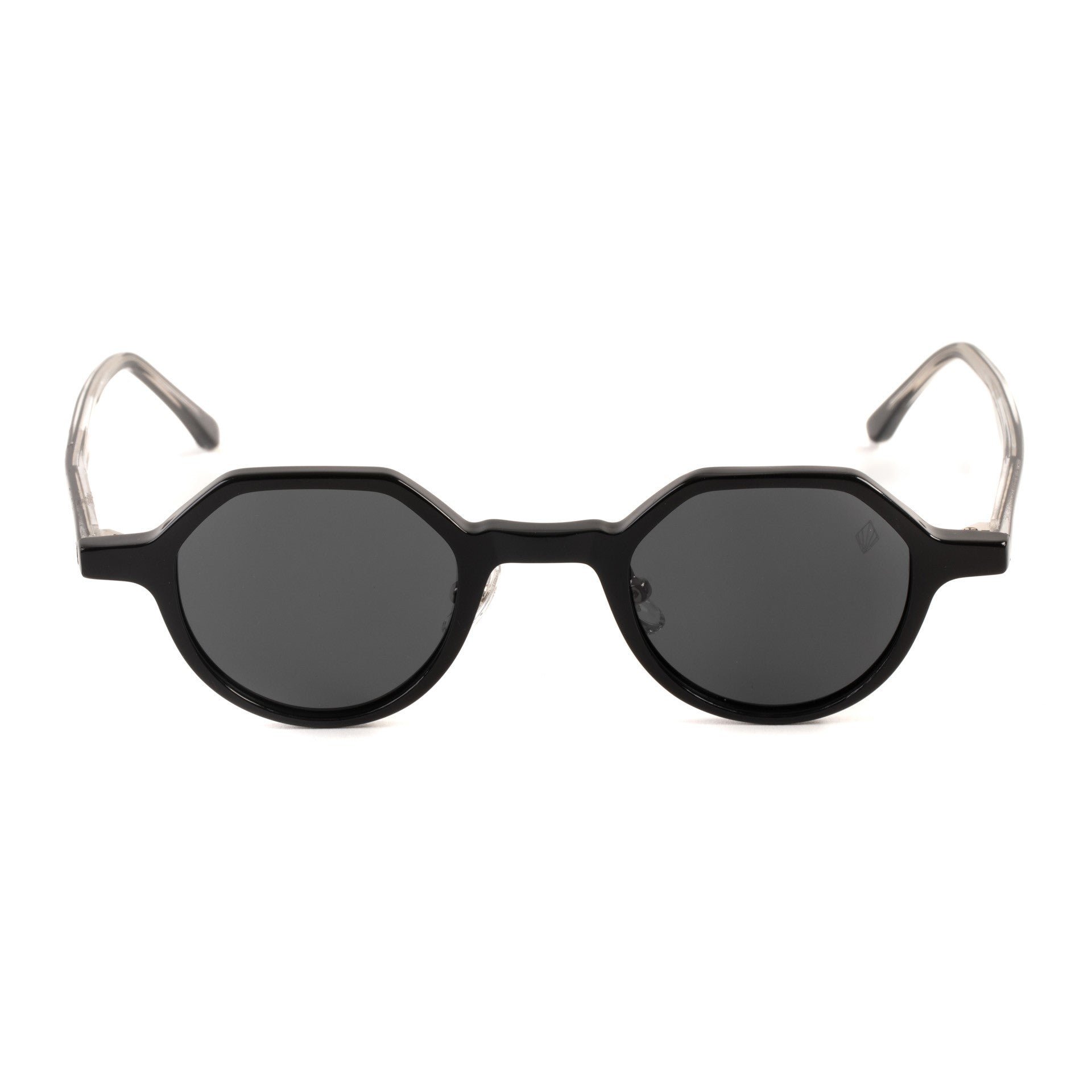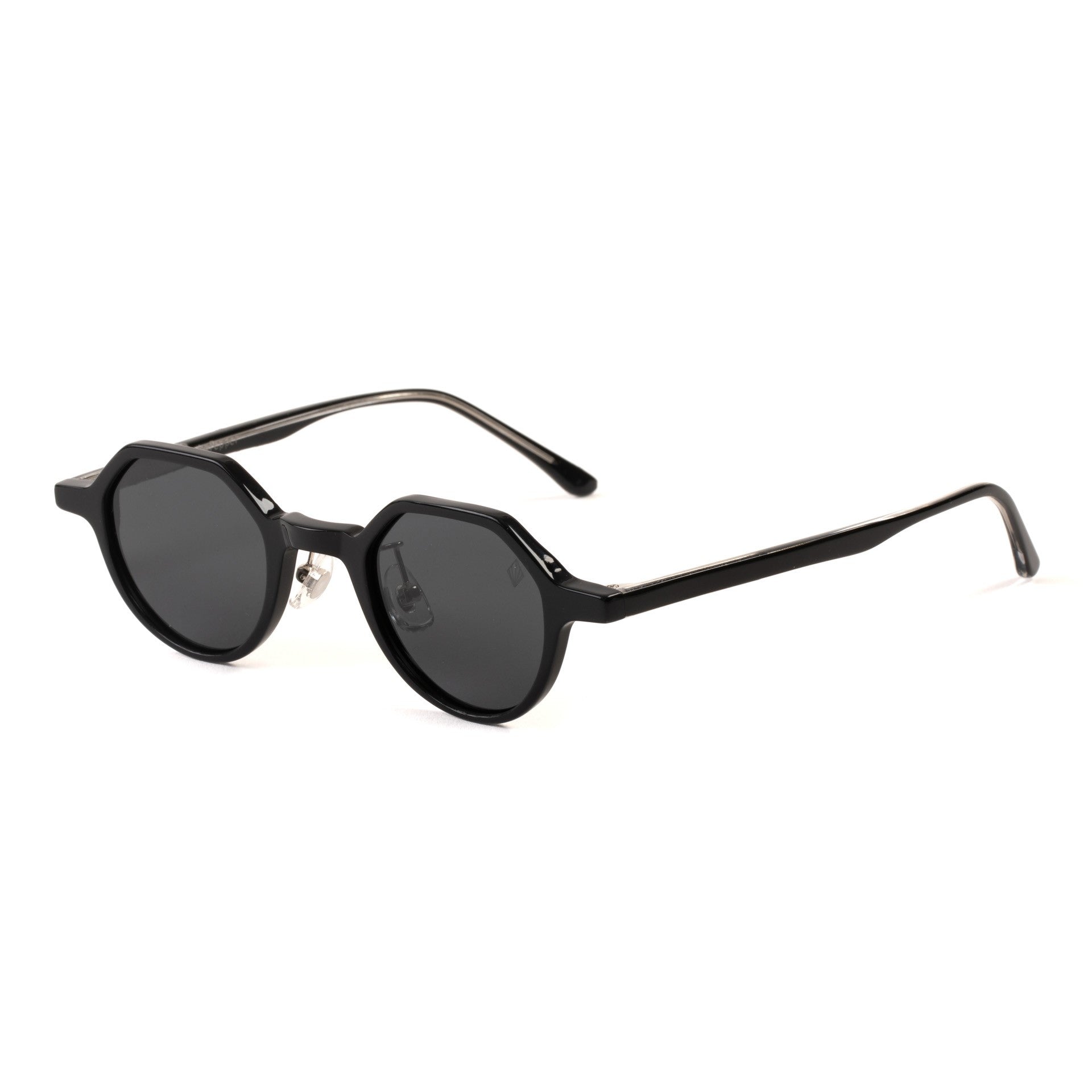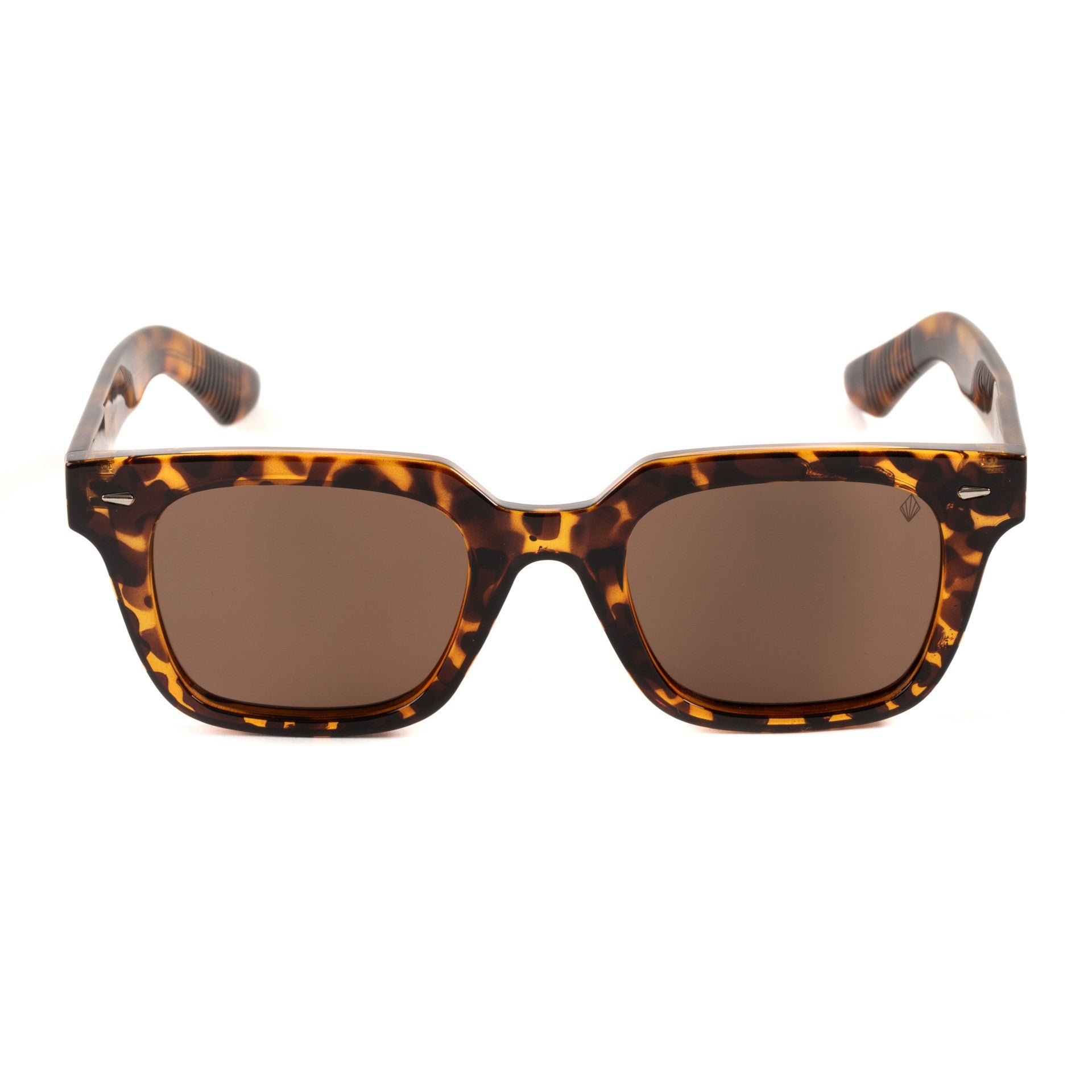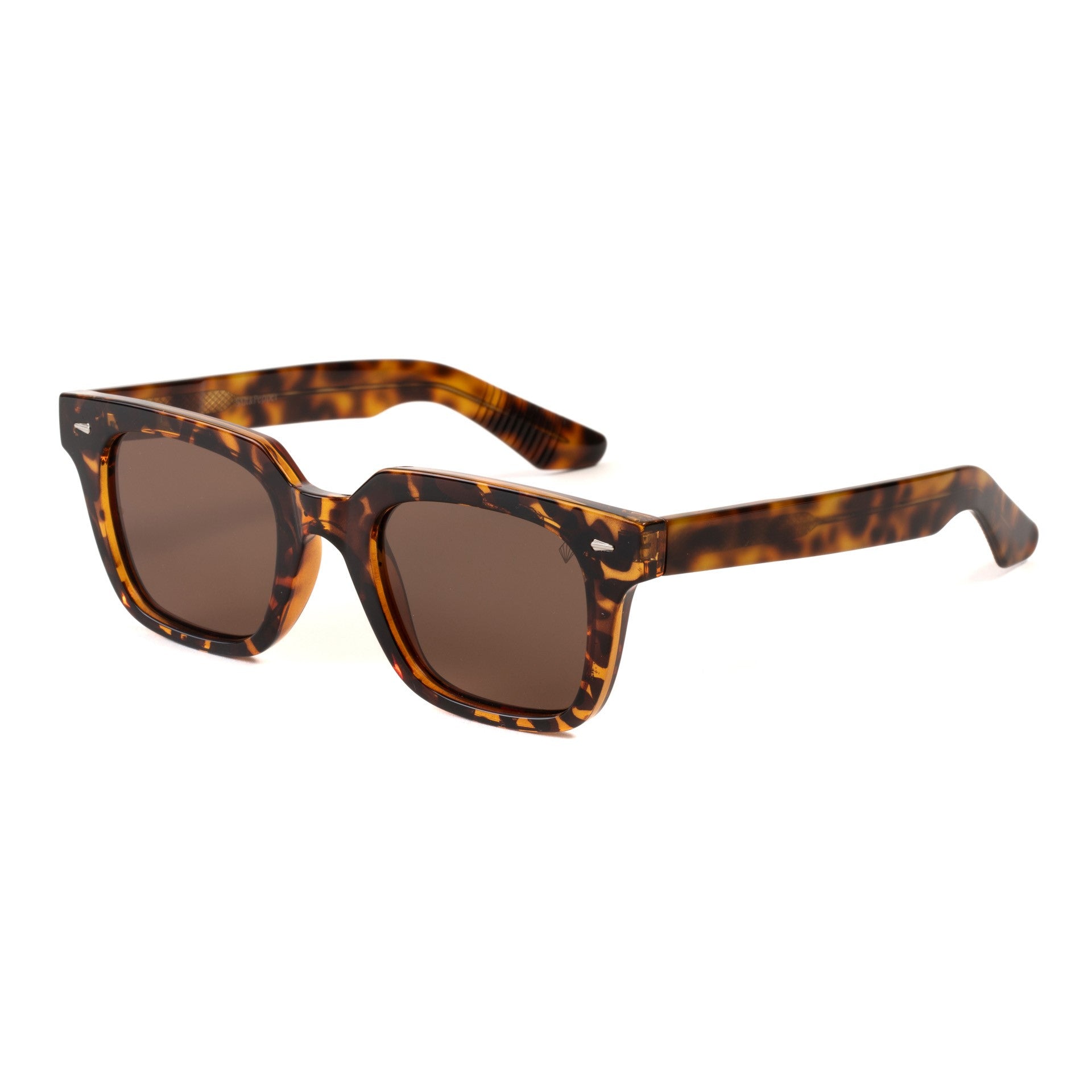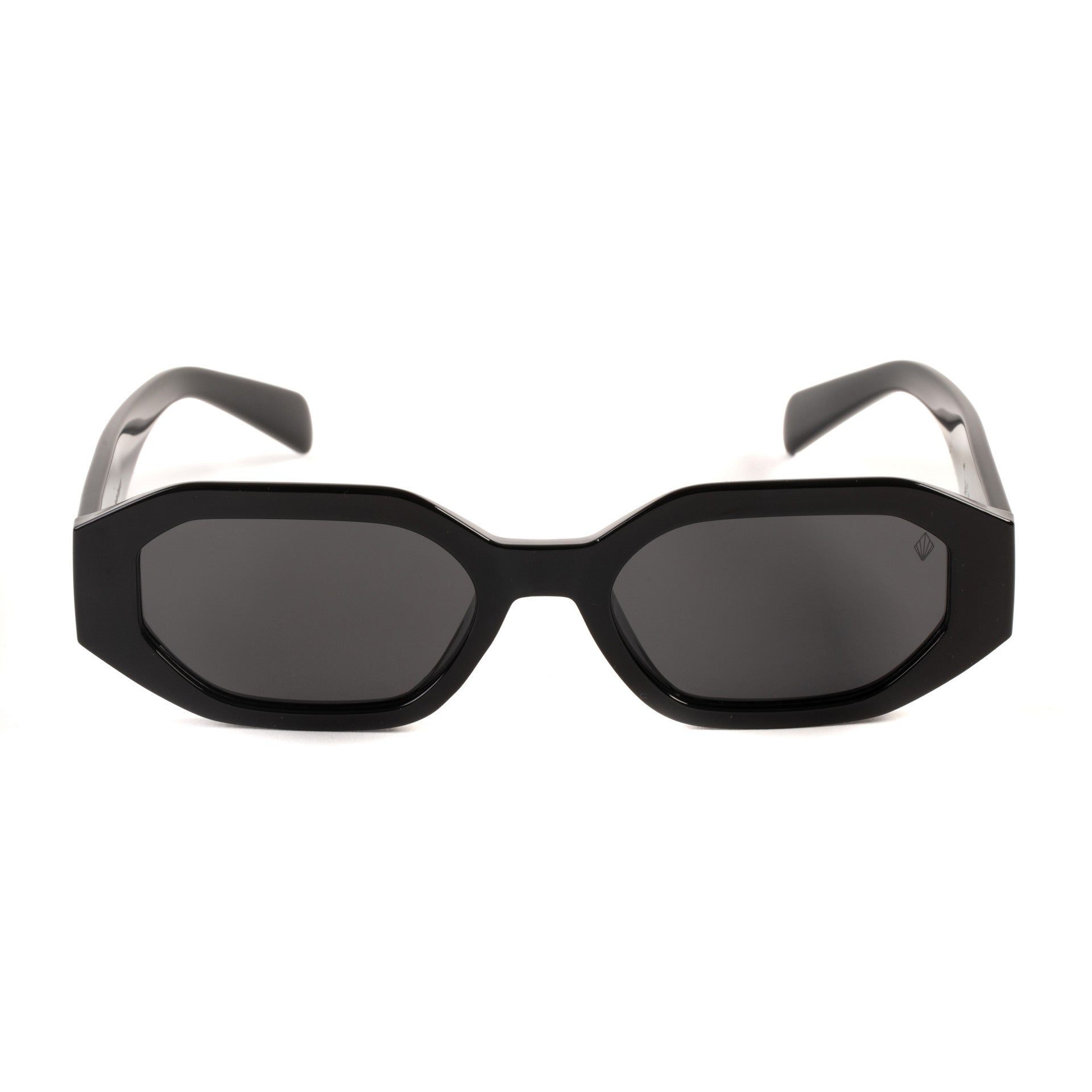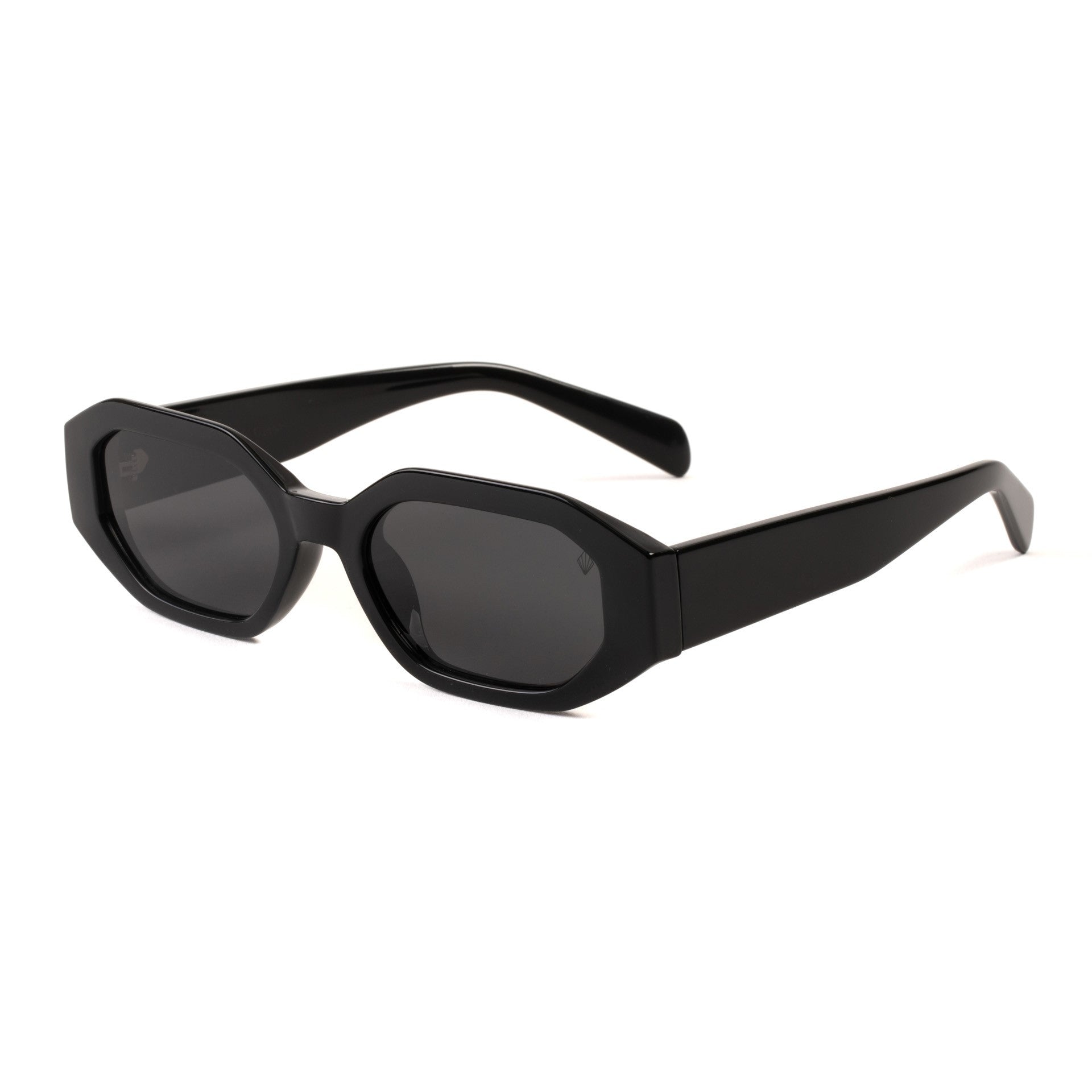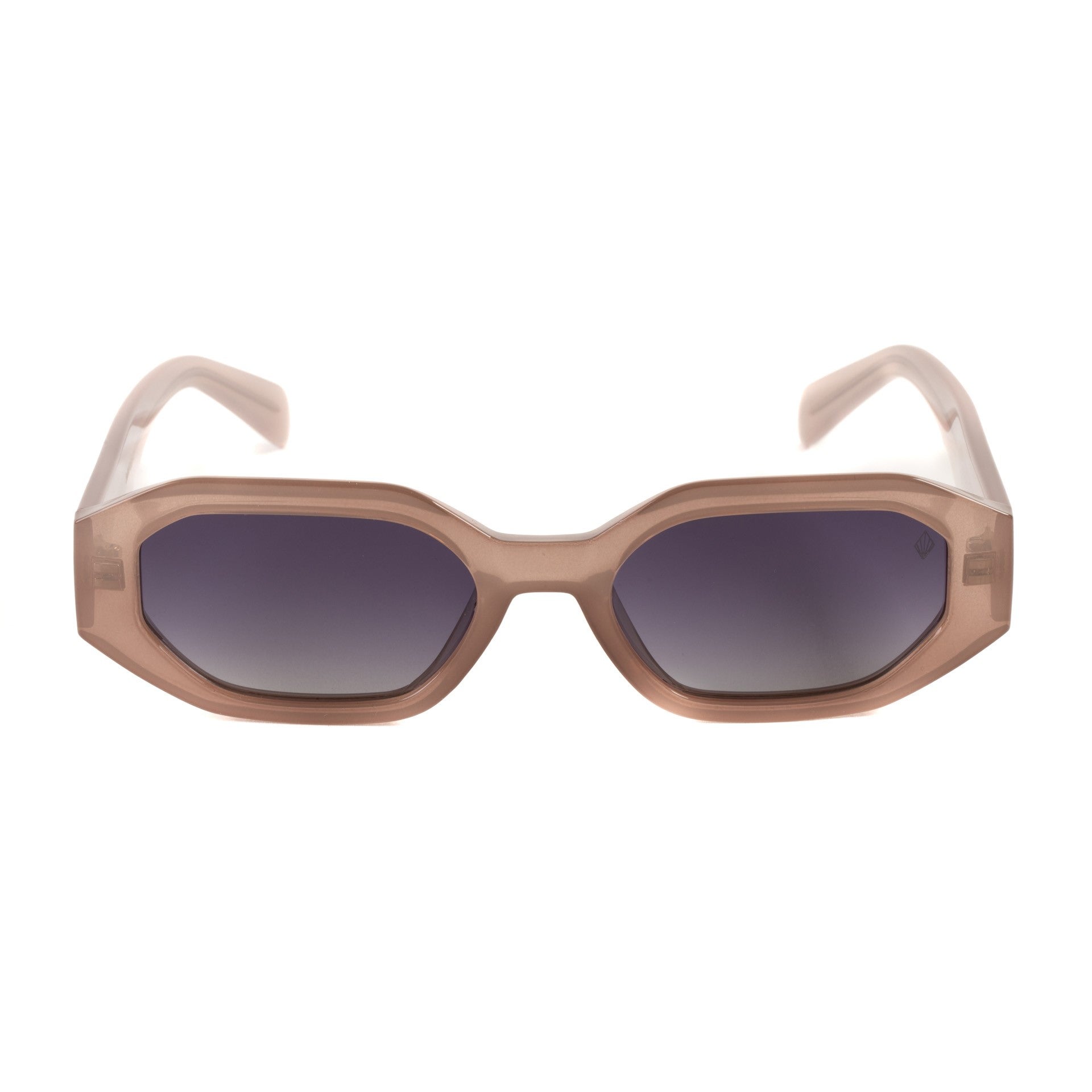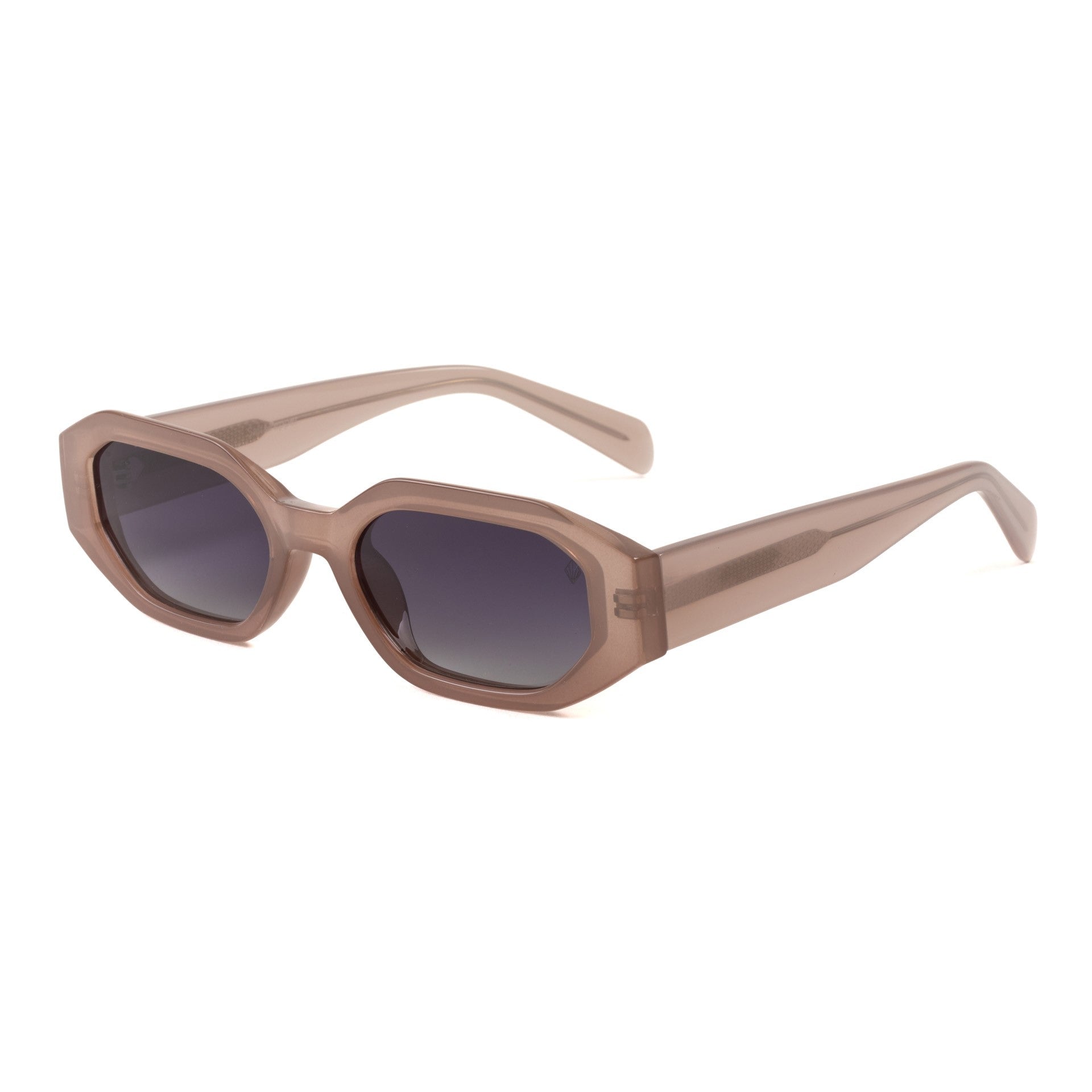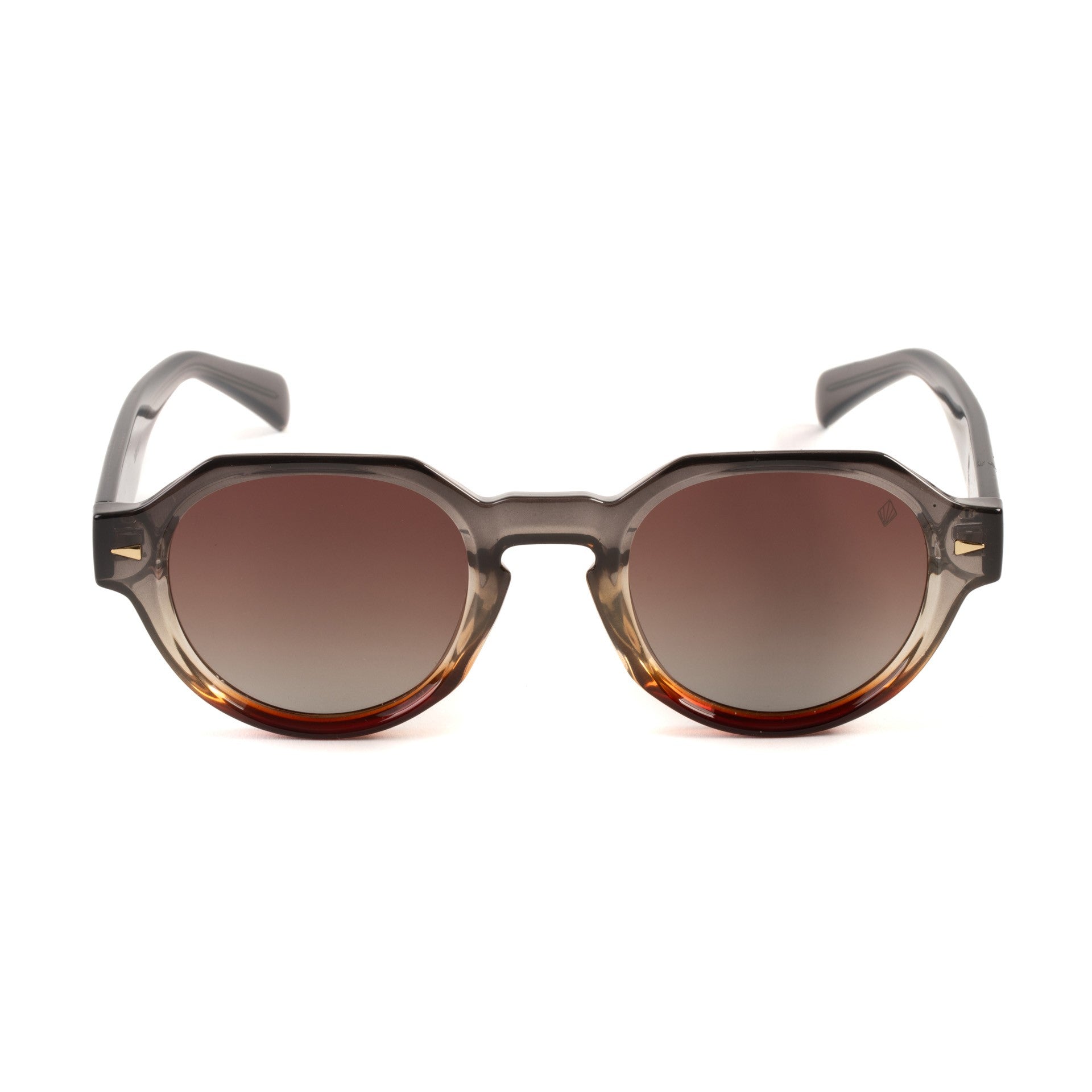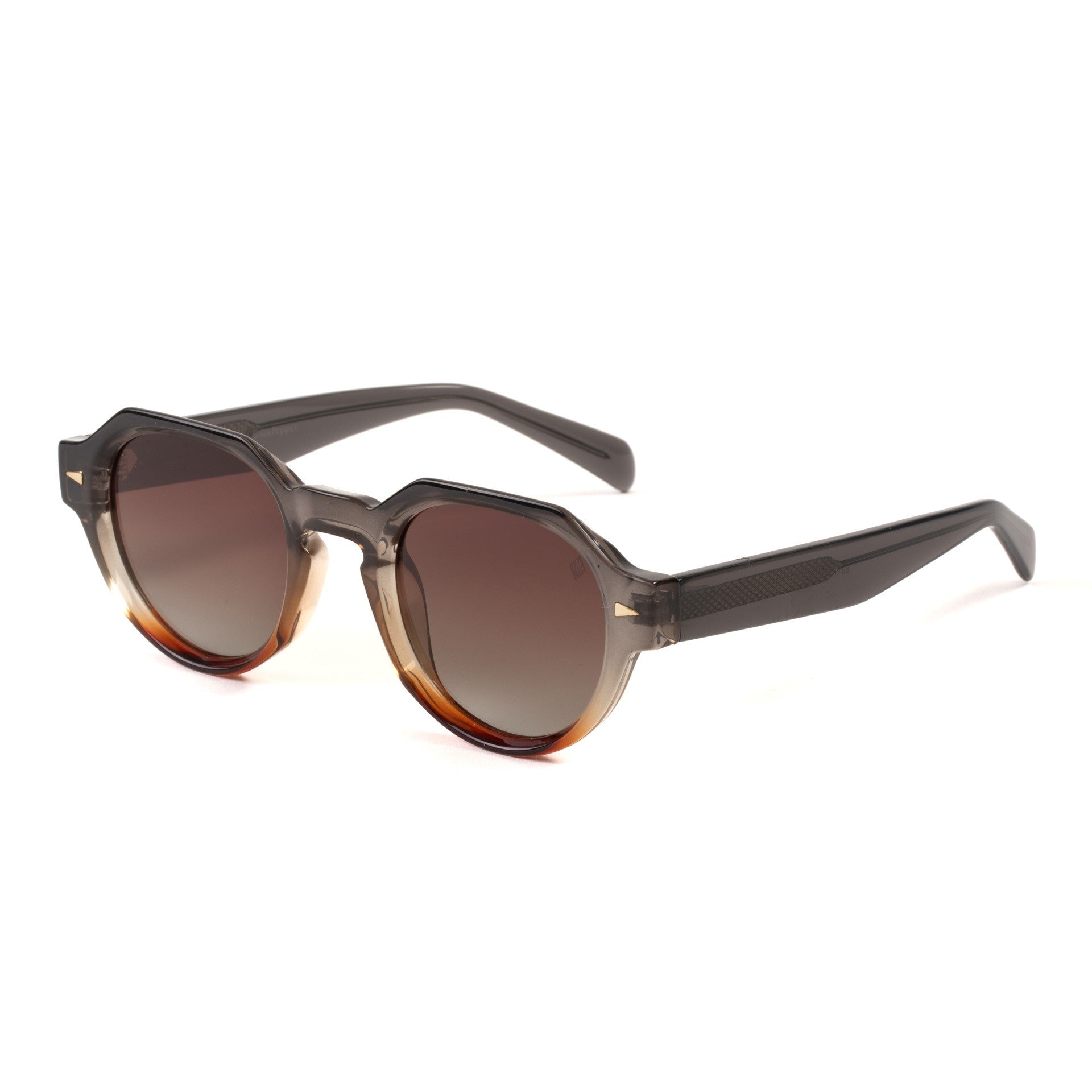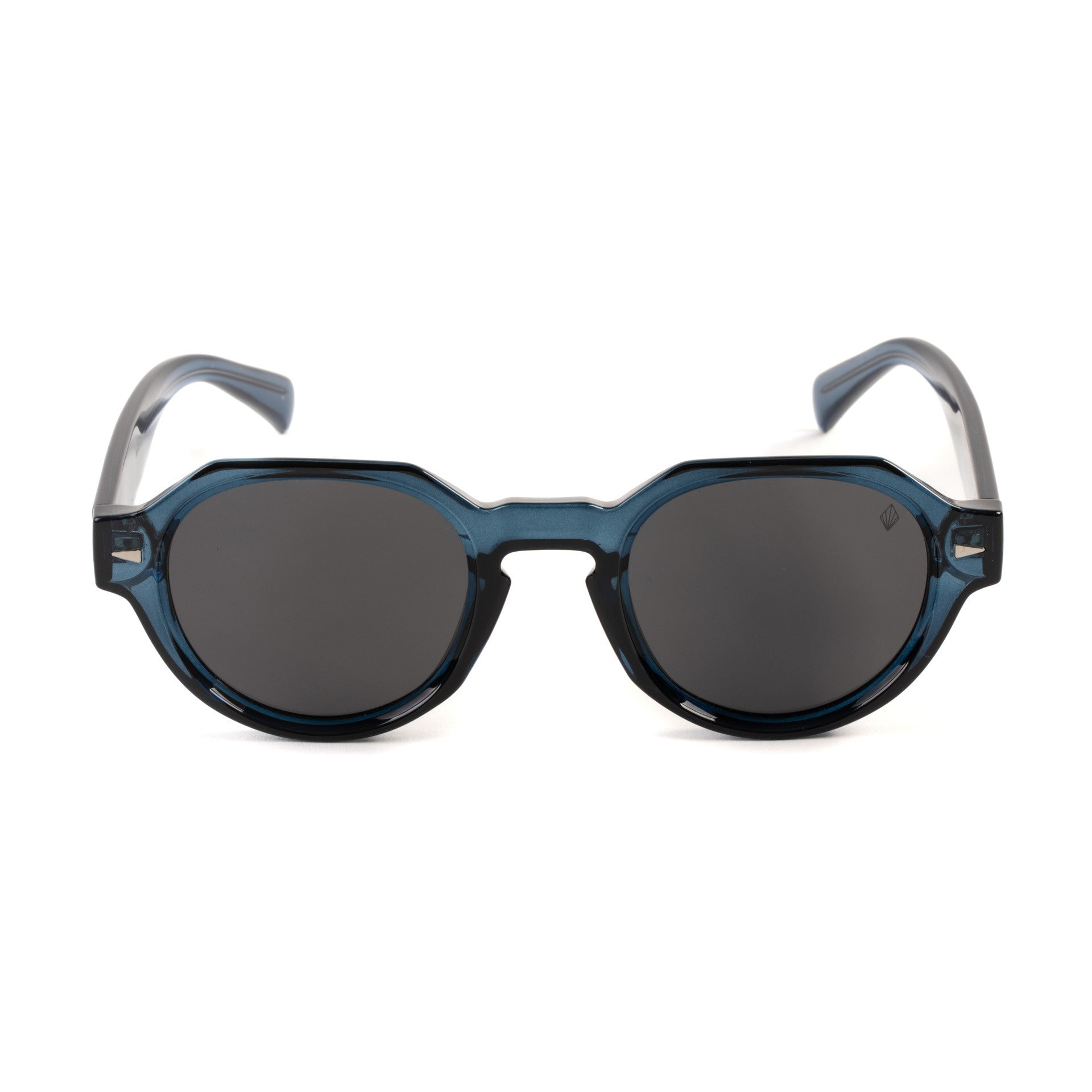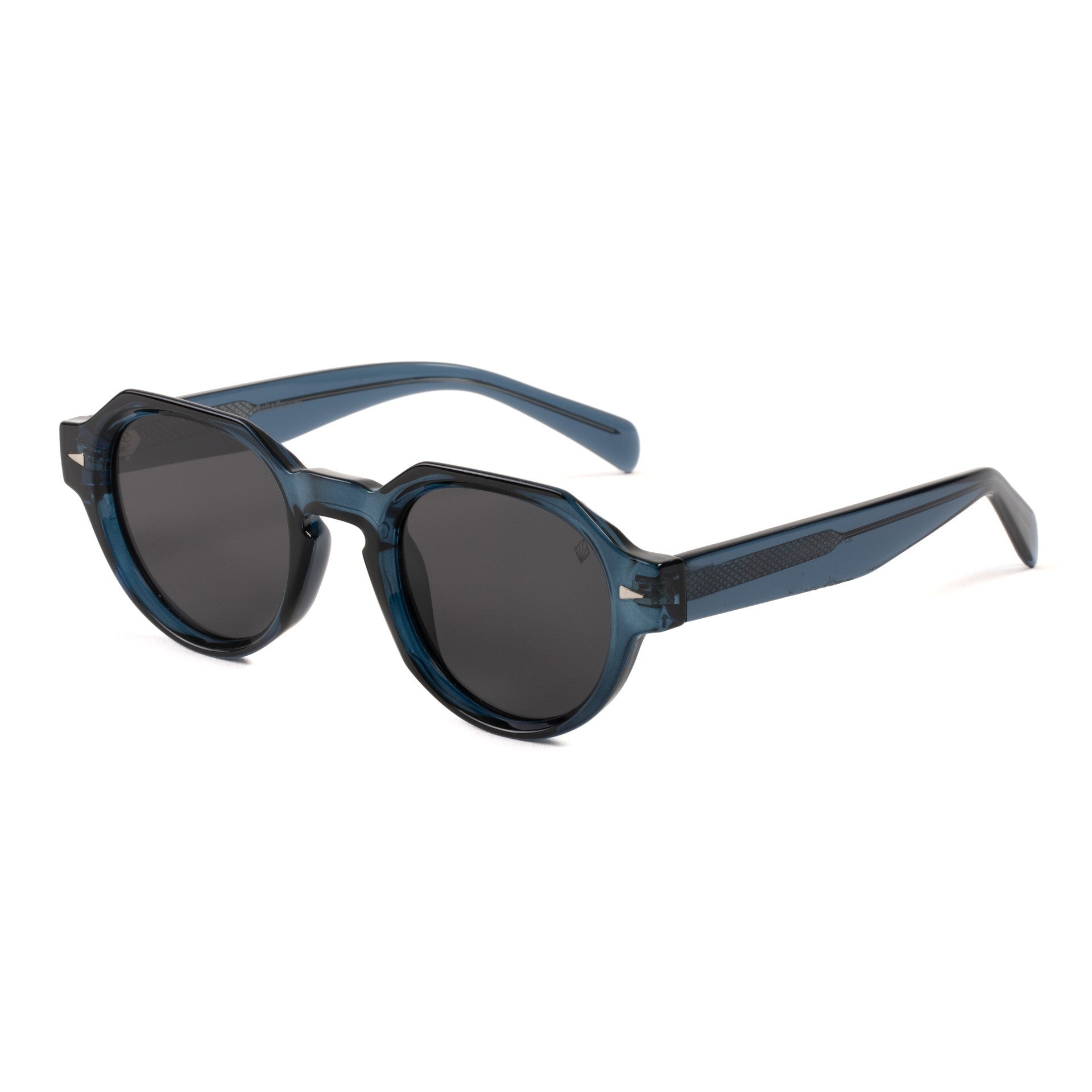

Updated on: 2025-11-26
- Pros and Cons of Polarized Sunglasses for Everyday Use
- Step-by-Step Practical Guide to Choosing Polarized Sunglasses
- Wrap-Up: Making the Most of Polarized Sunglasses
- Q&A About Polarized Sunglasses
- About the Author: Polarized Sunglasses Insights
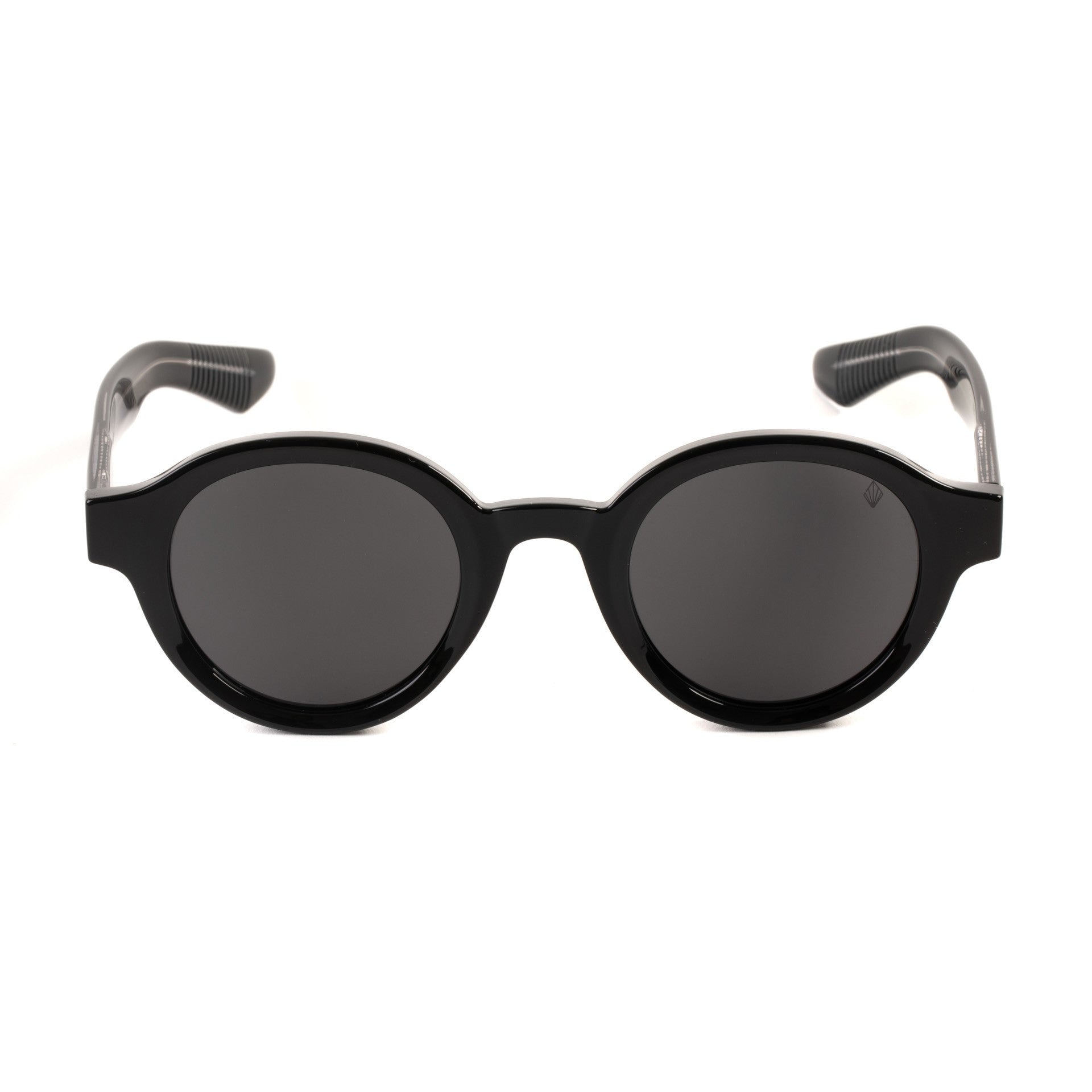
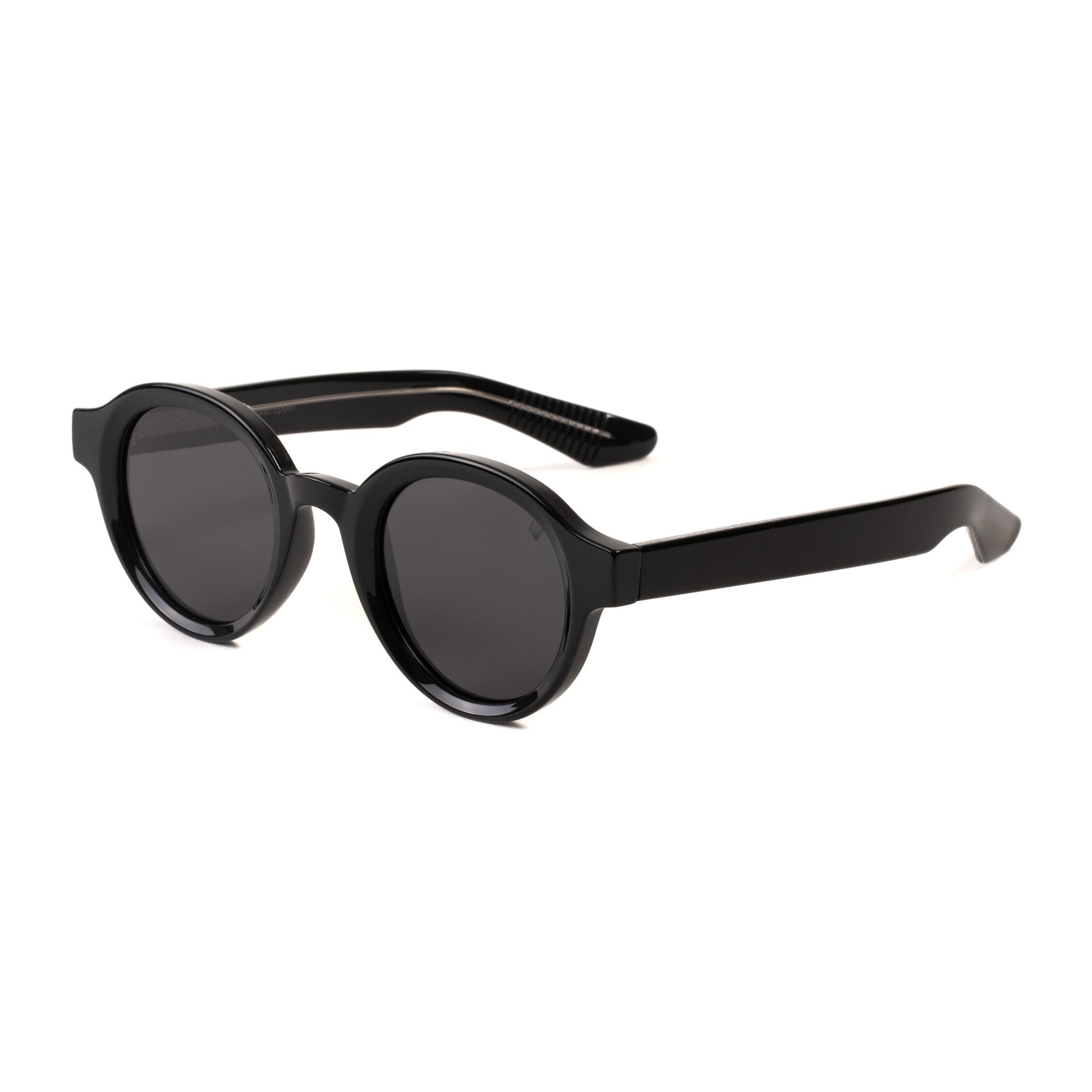
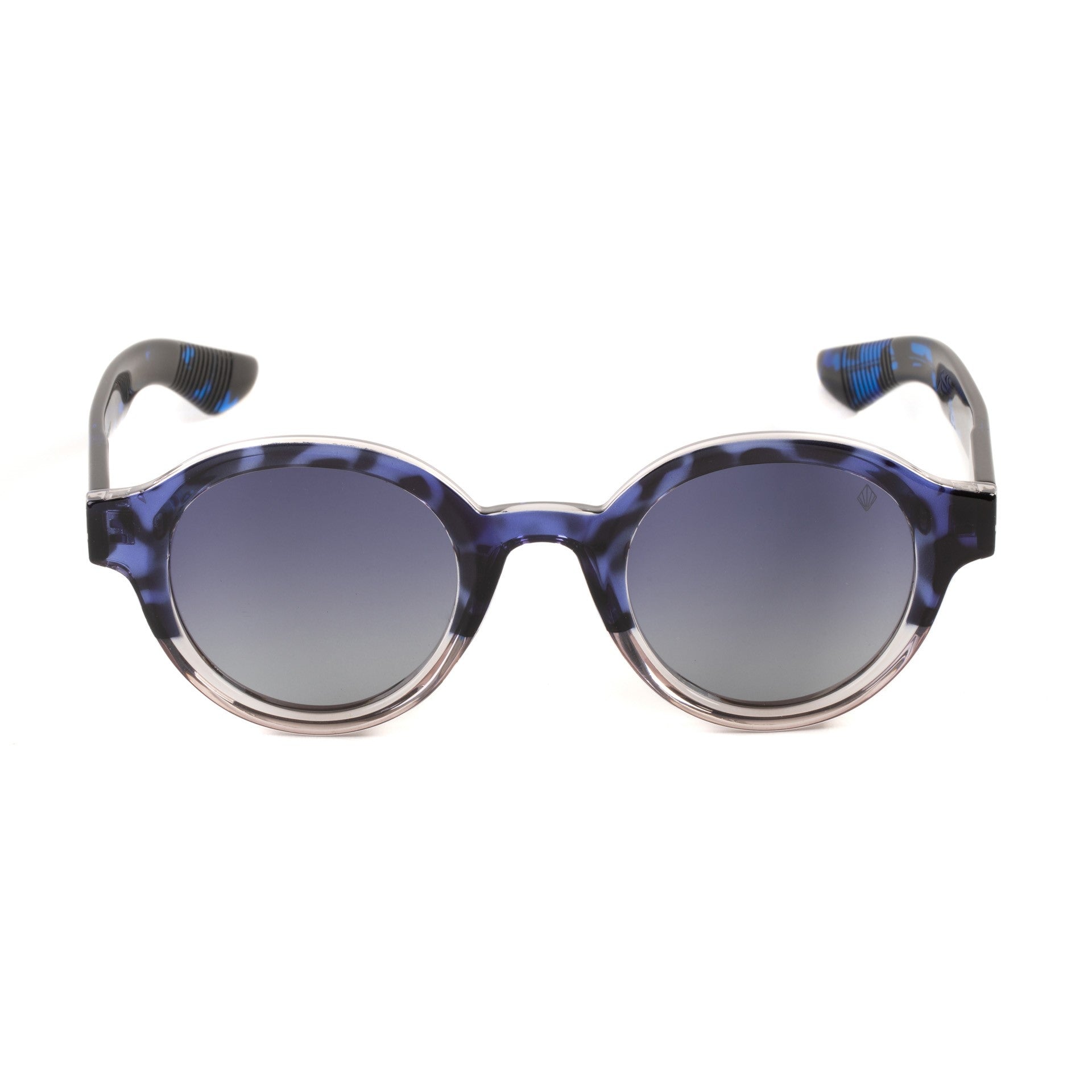
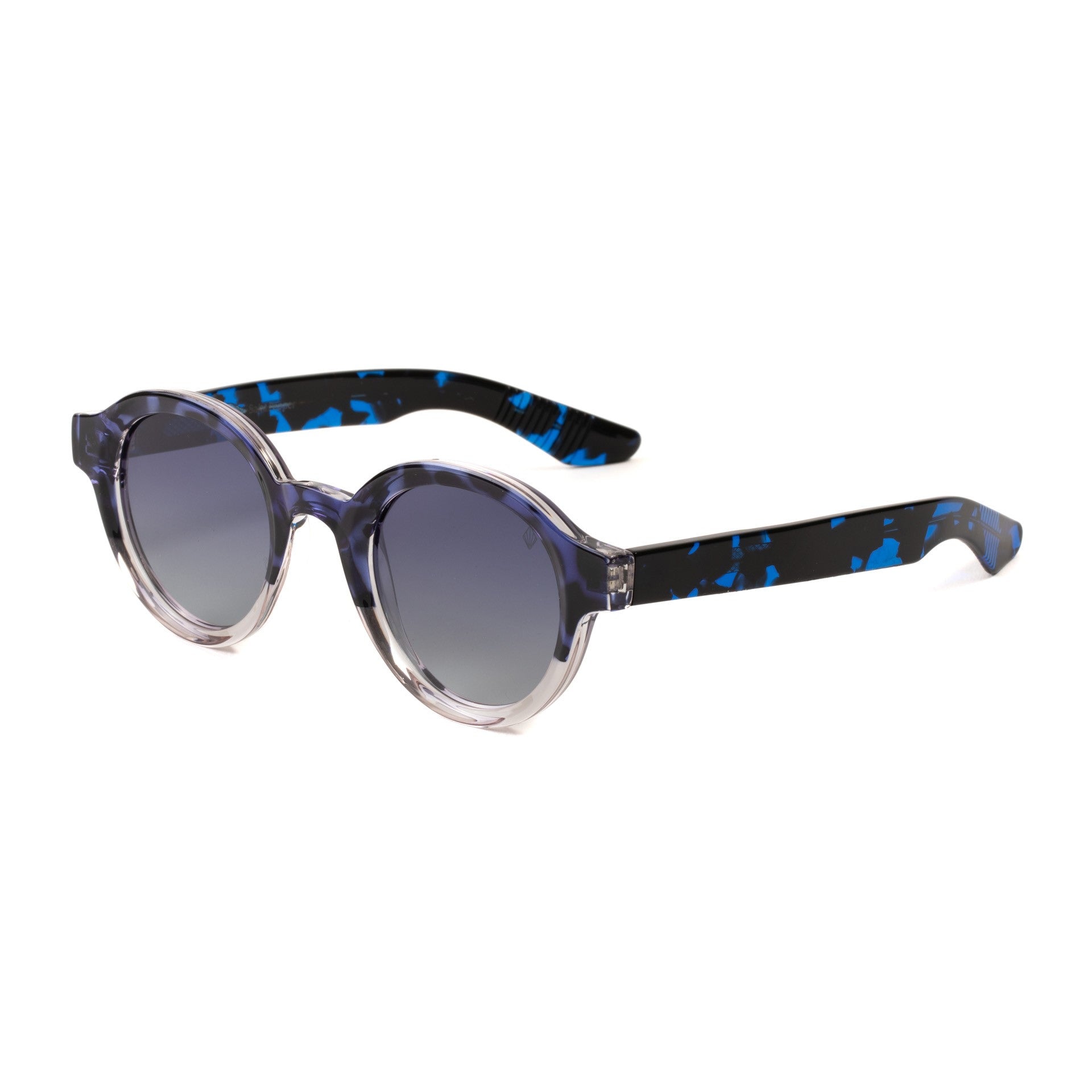
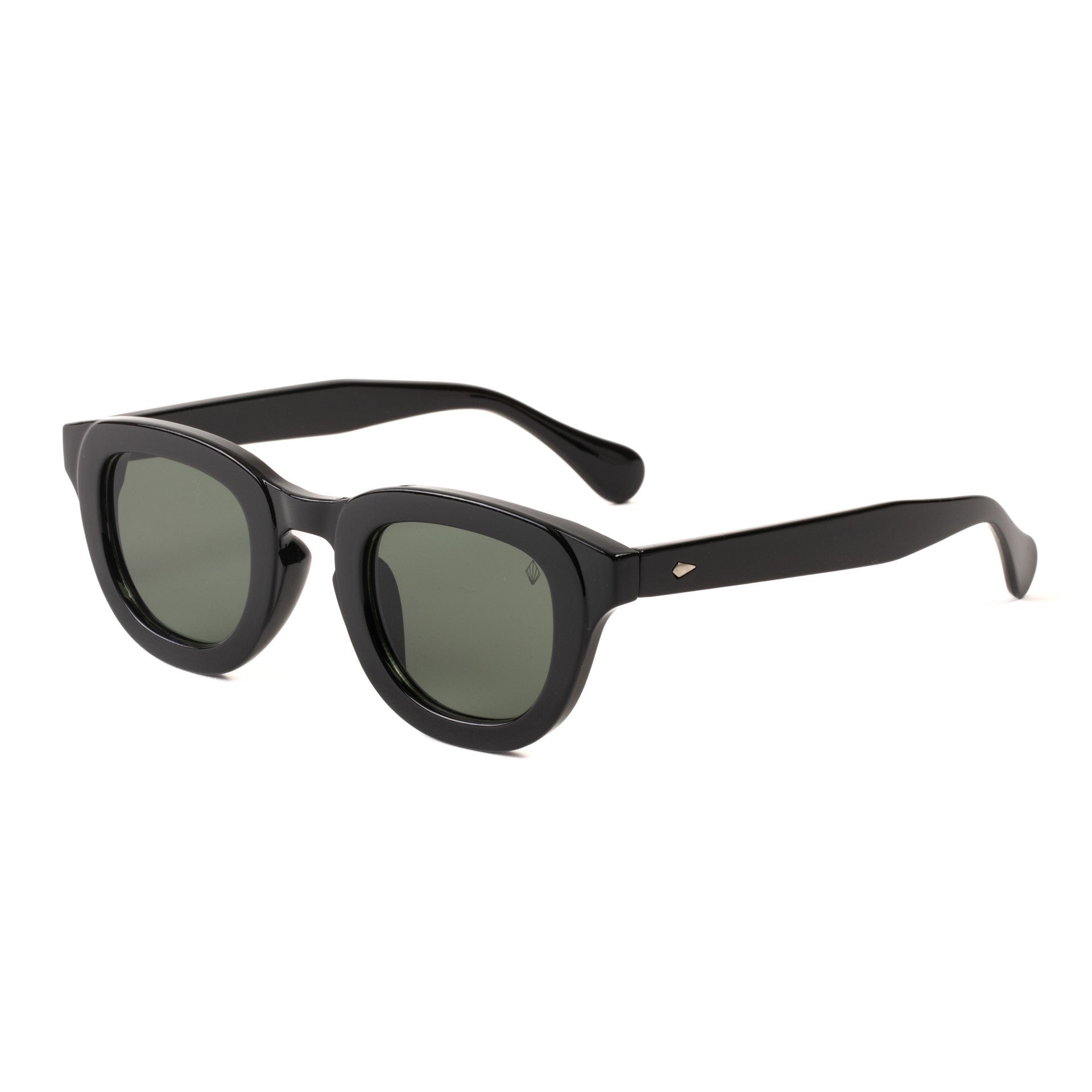
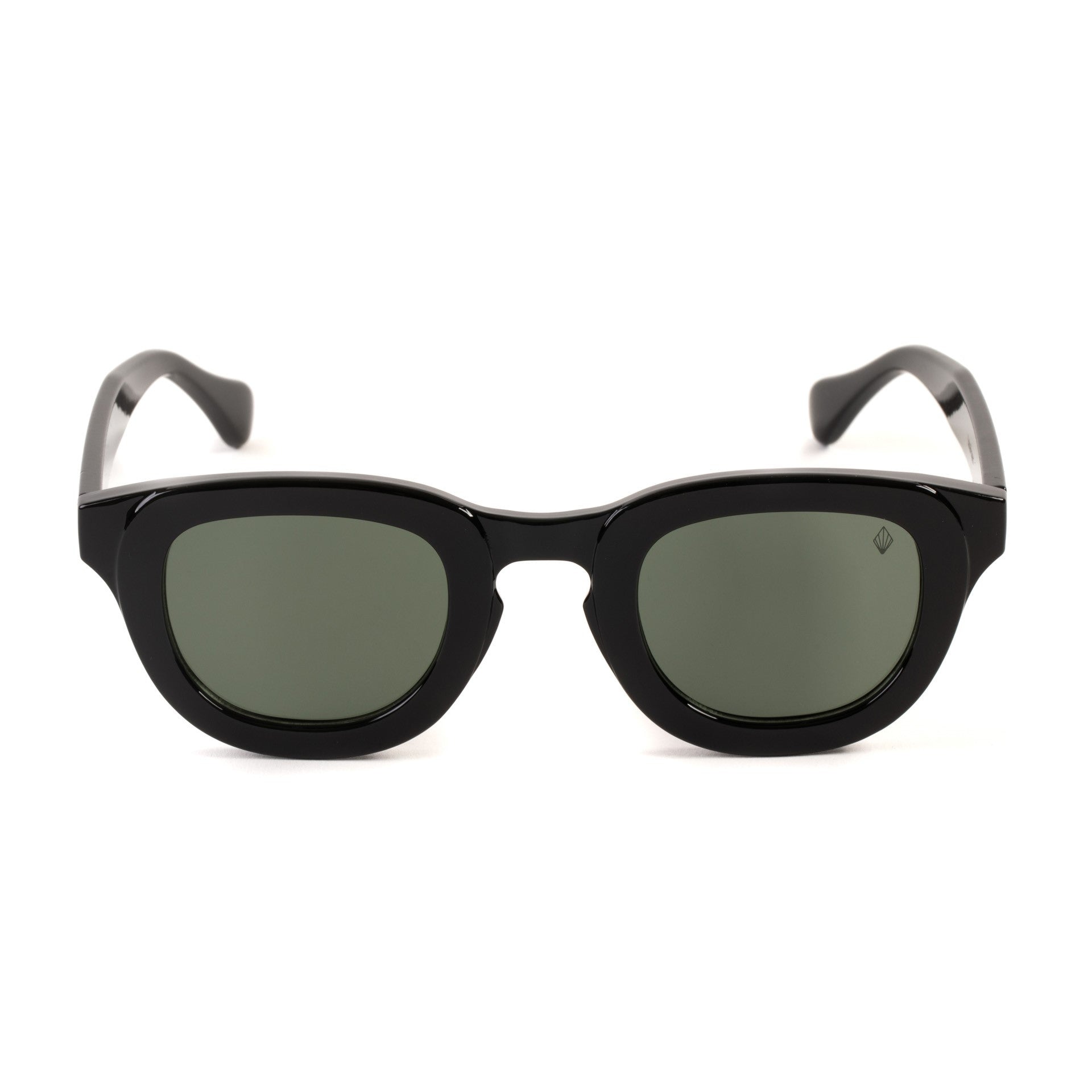
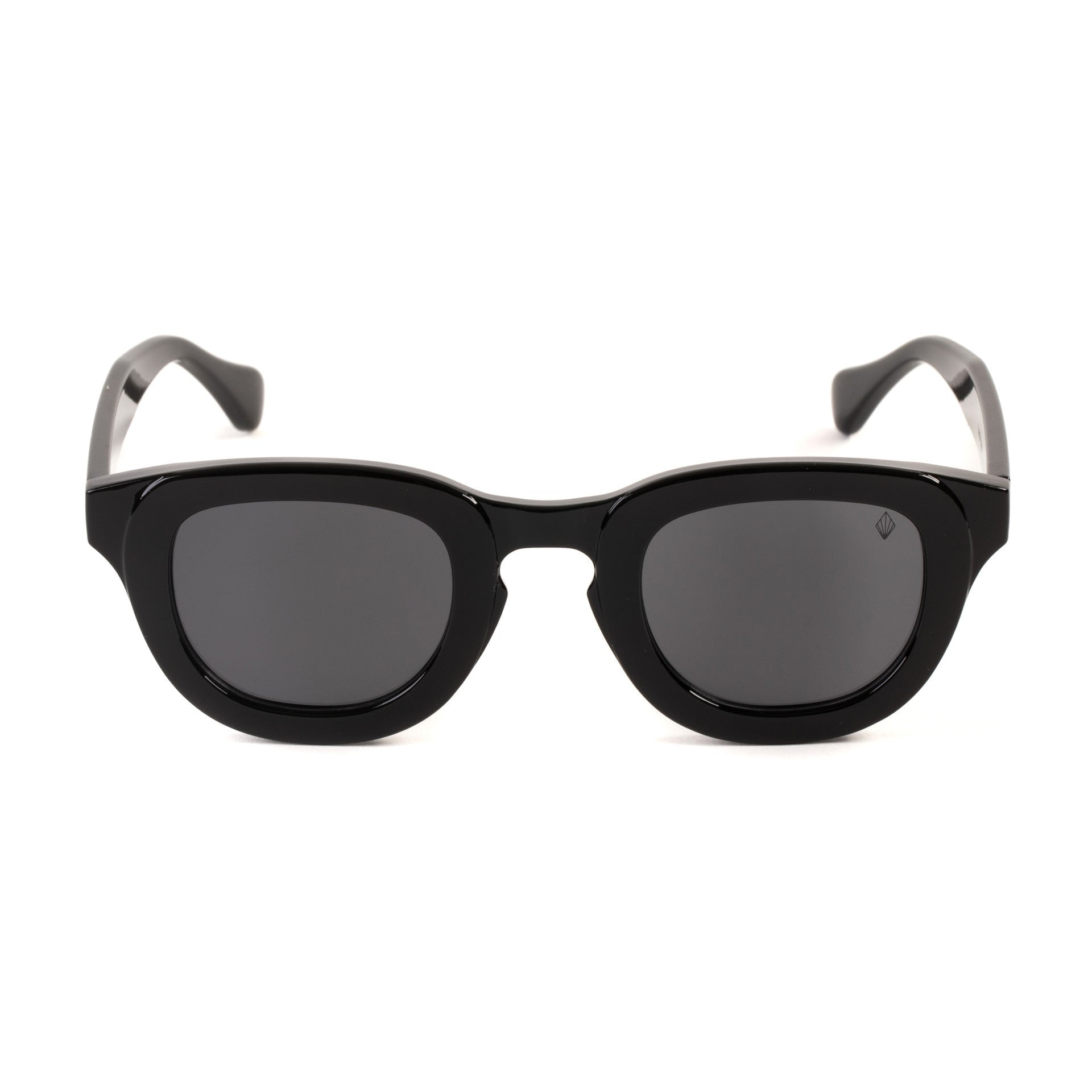
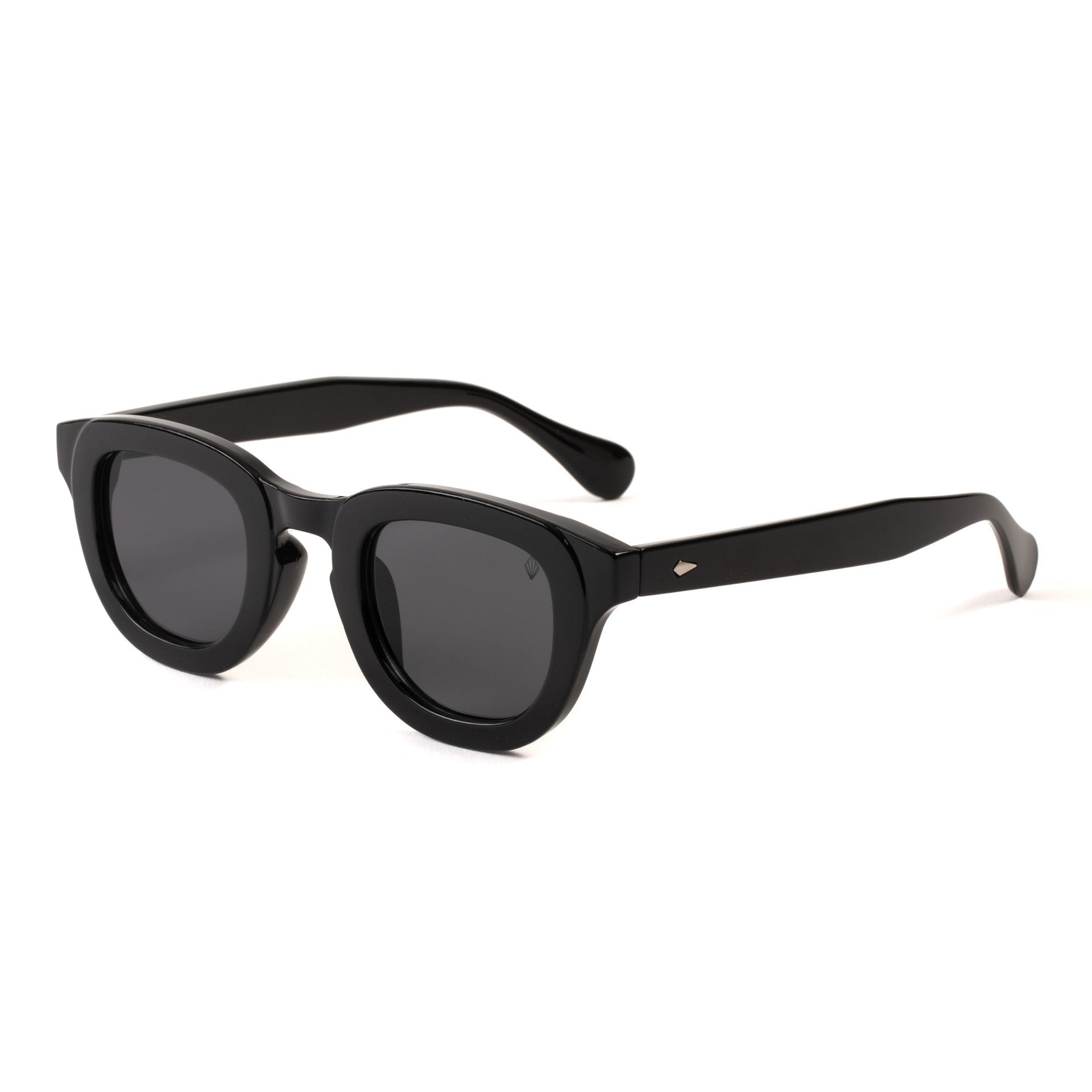
Polarized sunglasses offer a gentle way to reduce eye strain from bright light and mirrored surfaces. Whether you prefer the spelling polarized or polarised sunglasses, the technology is the same: a special filter helps block horizontally reflected glare from roads, water, and glass. If you are considering anti-glare sunglasses for driving, daily errands, or outdoor leisure, this guide walks through the benefits, trade-offs, and a simple method to choose sunglasses with polarized lenses that feel comfortable and look great.
Pros and Cons of Polarized Sunglasses for Everyday Use
Polarized sunglasses are valued for comfort, clarity, and reduced squinting. Still, there are a few points to weigh before you decide. Here is a balanced look to help you select confidently.
- Reduced glare for clearer vision: The polarization filter targets horizontal glare from puddles, wet roads, and windshields. This often makes small details easier to see and can enhance contrast in bright situations.
- Comfort for long days outside: Many people find anti-glare sunglasses helpful when light is harsh. Less glare can mean less eye fatigue on extended drives or beach days.
- Improved color and contrast: Quality sunglasses with polarized lenses can render colors more naturally, especially with neutral tints like gray or brown.
- Helpful for driving in bright conditions: The best polarized sunglasses for driving often feature gray or brown lenses that maintain natural color balance while reducing glare from the road.
- Potential screen artifacts: Polarization can interact with some LCDs (car dashboards, ATMs, airplane windows), creating rainbow patterns or dimming. You can still use these displays, but the viewing angle may need a small adjustment.
- Not ideal for every sport: For activities where you must see subtle reflections (for example, certain snow conditions), some prefer non-polarized lenses. Personal preference plays a role.
- Price considerations: Polarised sunglasses can cost more than non-polarized options due to the filter, coatings, and lens quality.
Step-by-Step Practical Guide to Choosing Polarized Sunglasses
Understand How Polarized Lenses Work
At a simple level, the lens contains a microscopic filter aligned to block horizontally reflected light. Sunlight reflecting off water, car hoods, and wet asphalt is often horizontally polarized, which is why it looks so intense. By filtering this glare, polarized sunglasses can make your view more comfortable. This is the core of what people mean by sunglasses with polarized lenses.
Match Lens Color to Your Activity
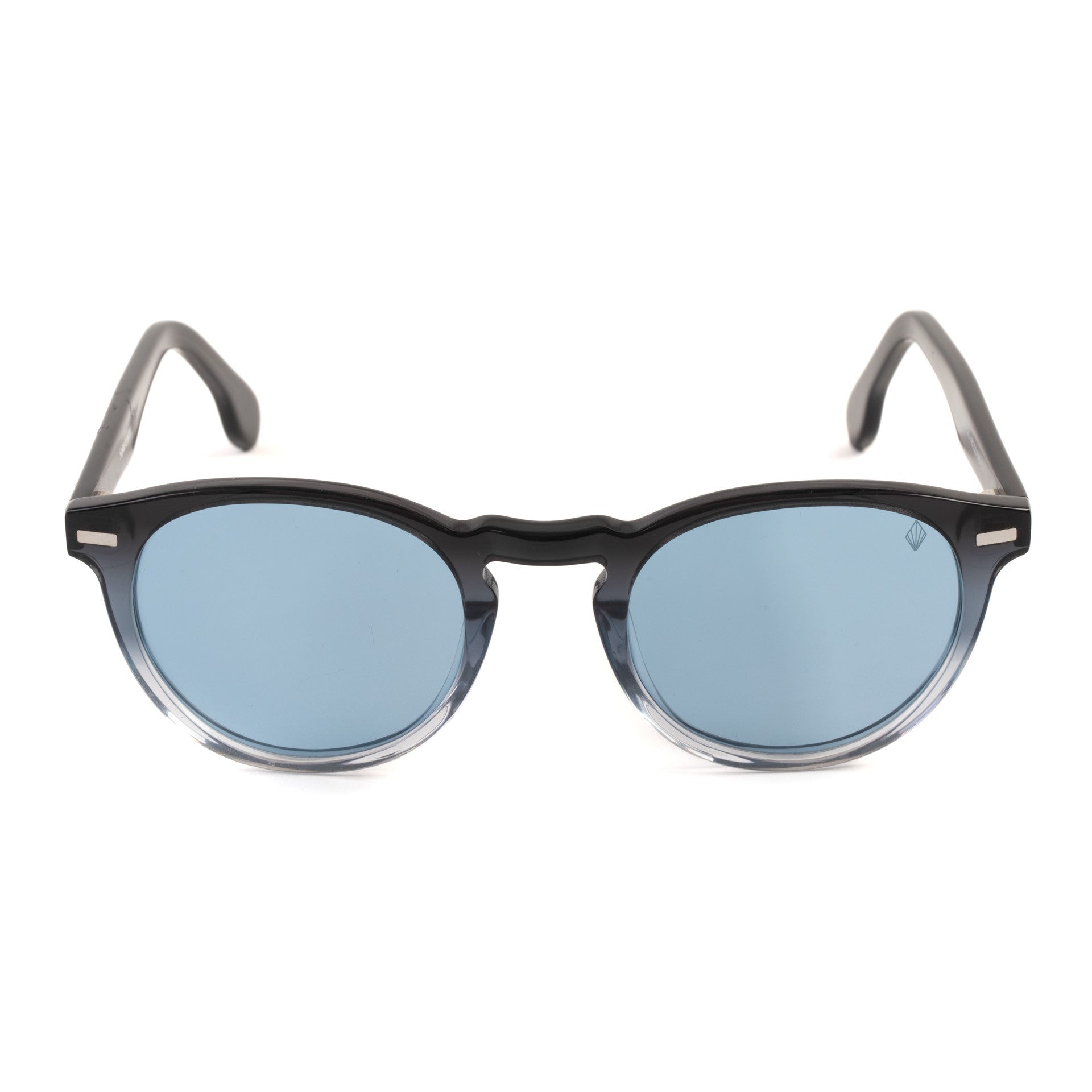
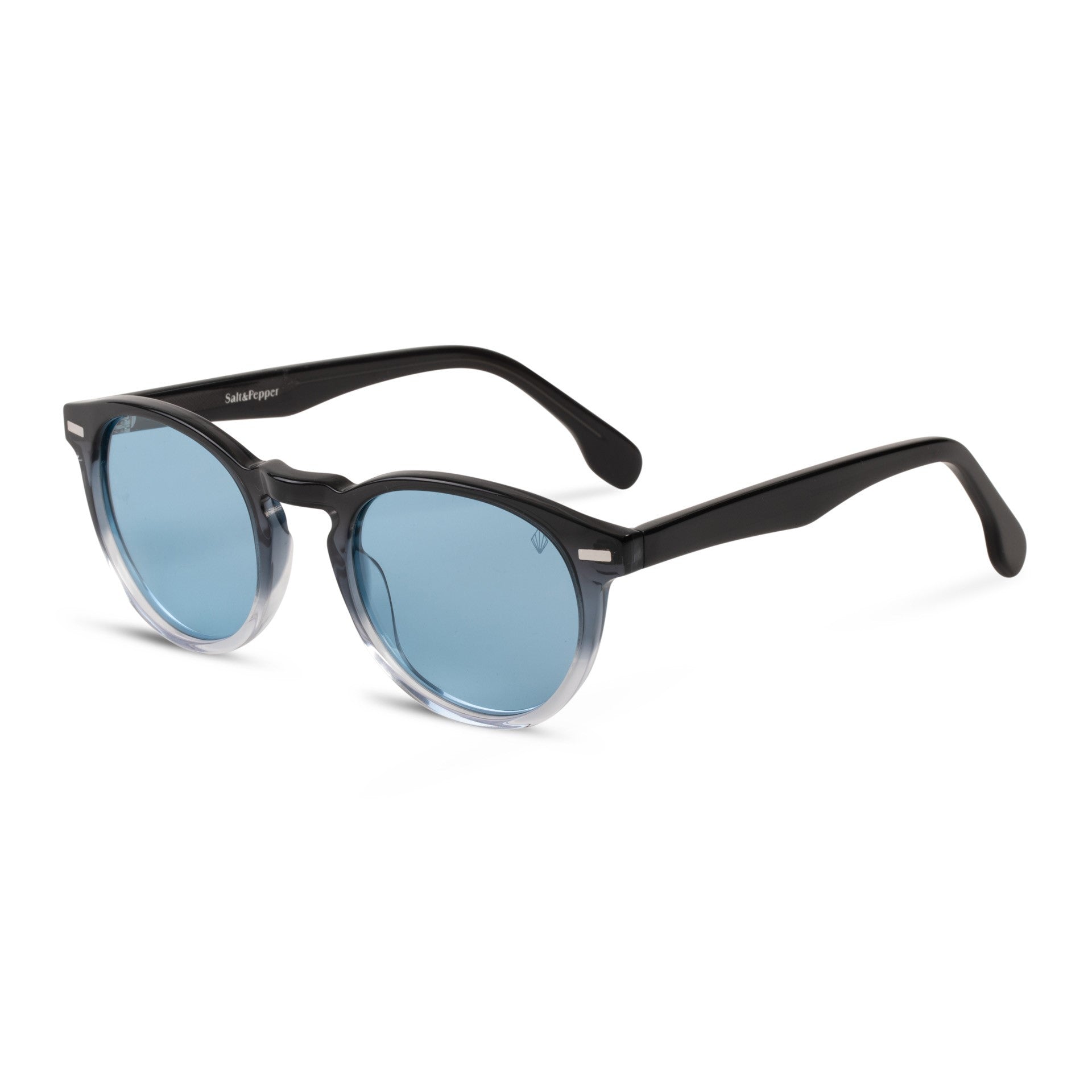
Lens color influences how you perceive brightness and contrast. There is no single right choice, yet a few guidelines may be helpful:
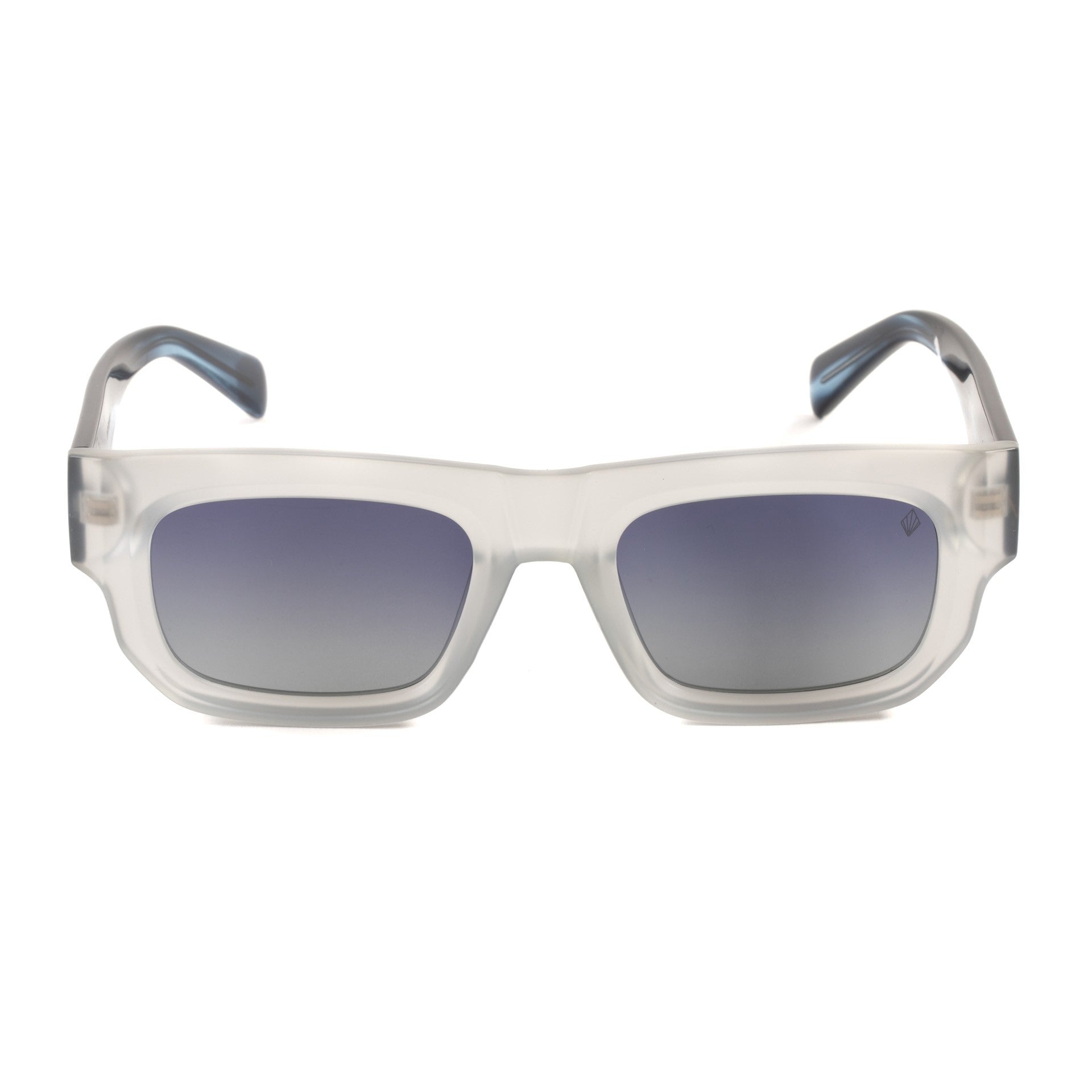
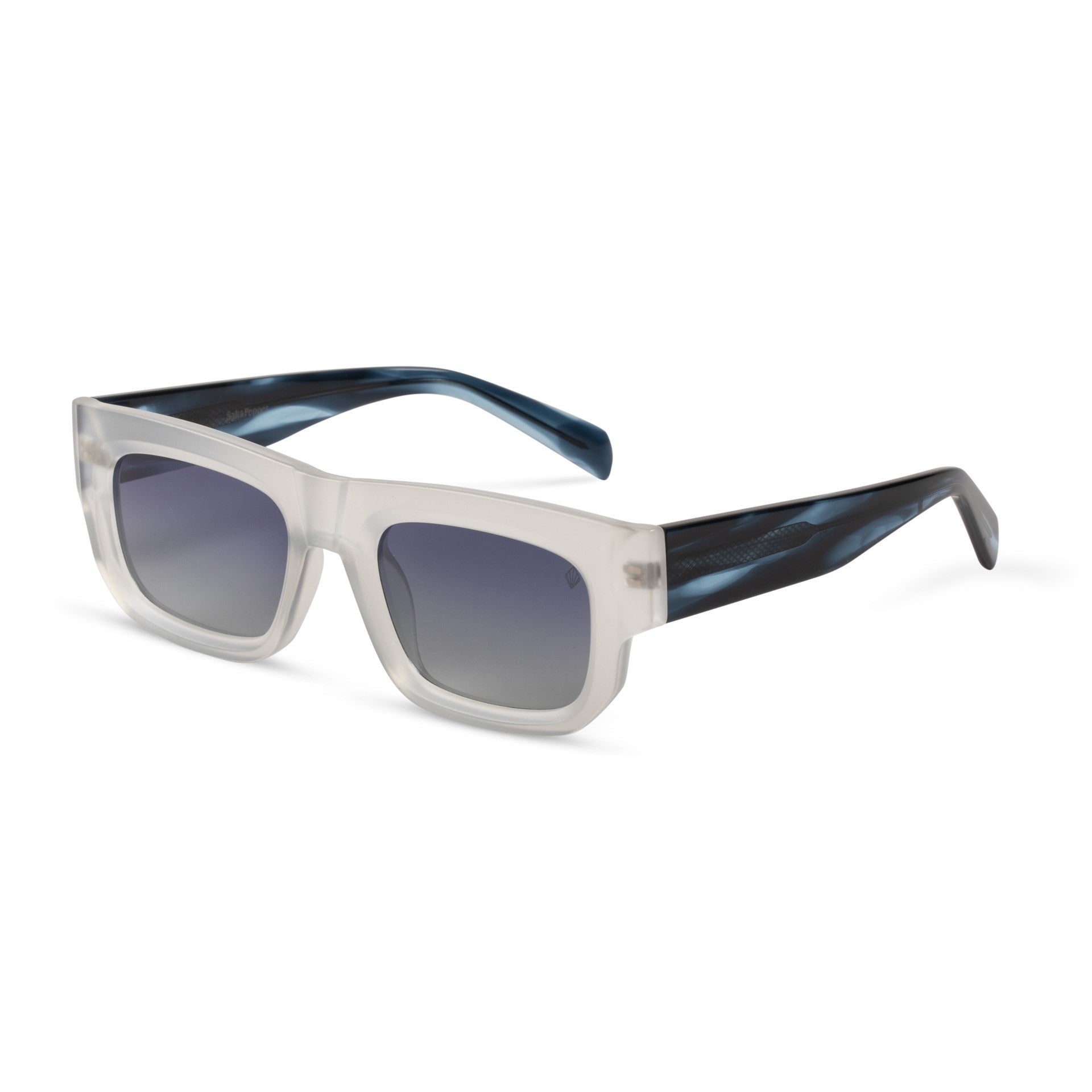
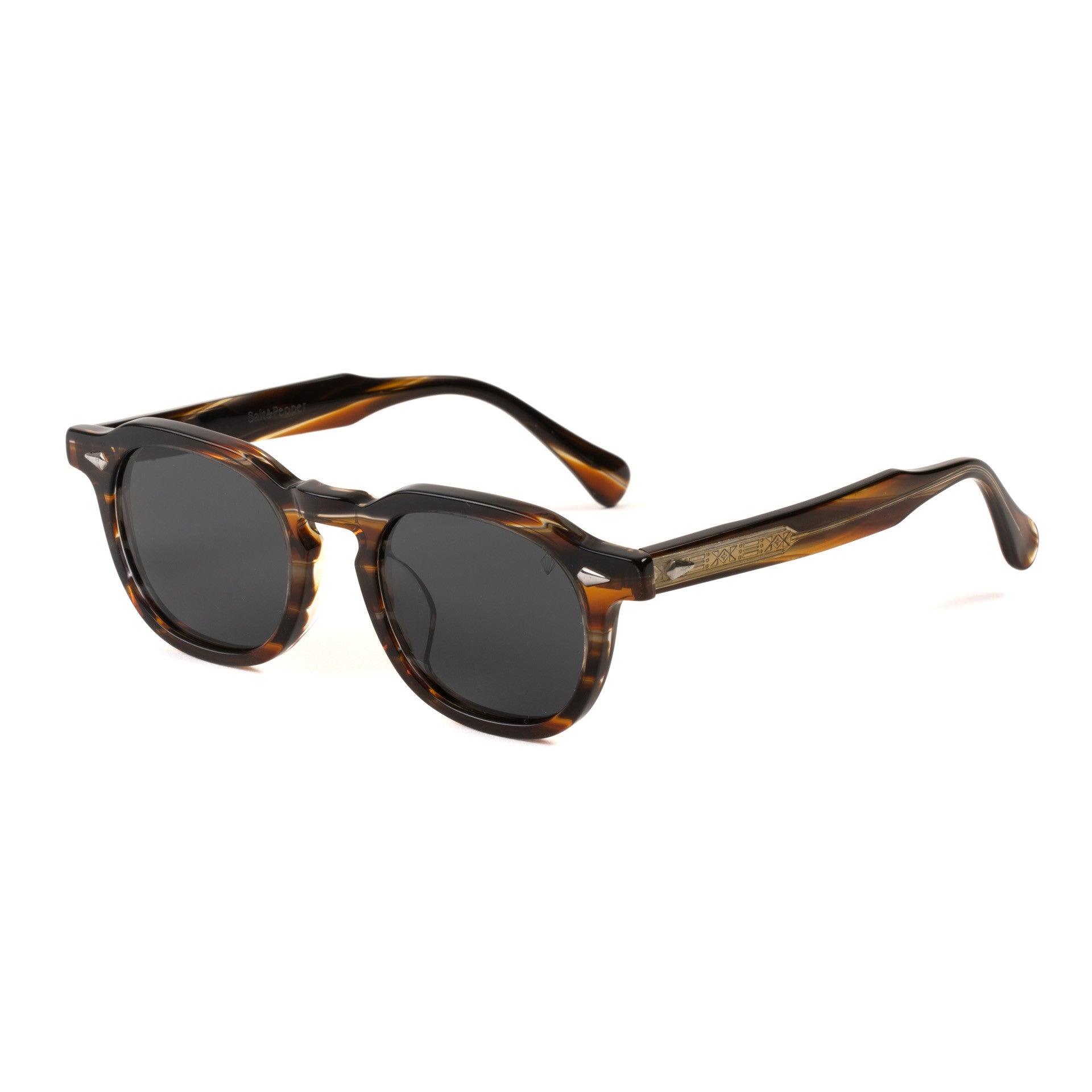
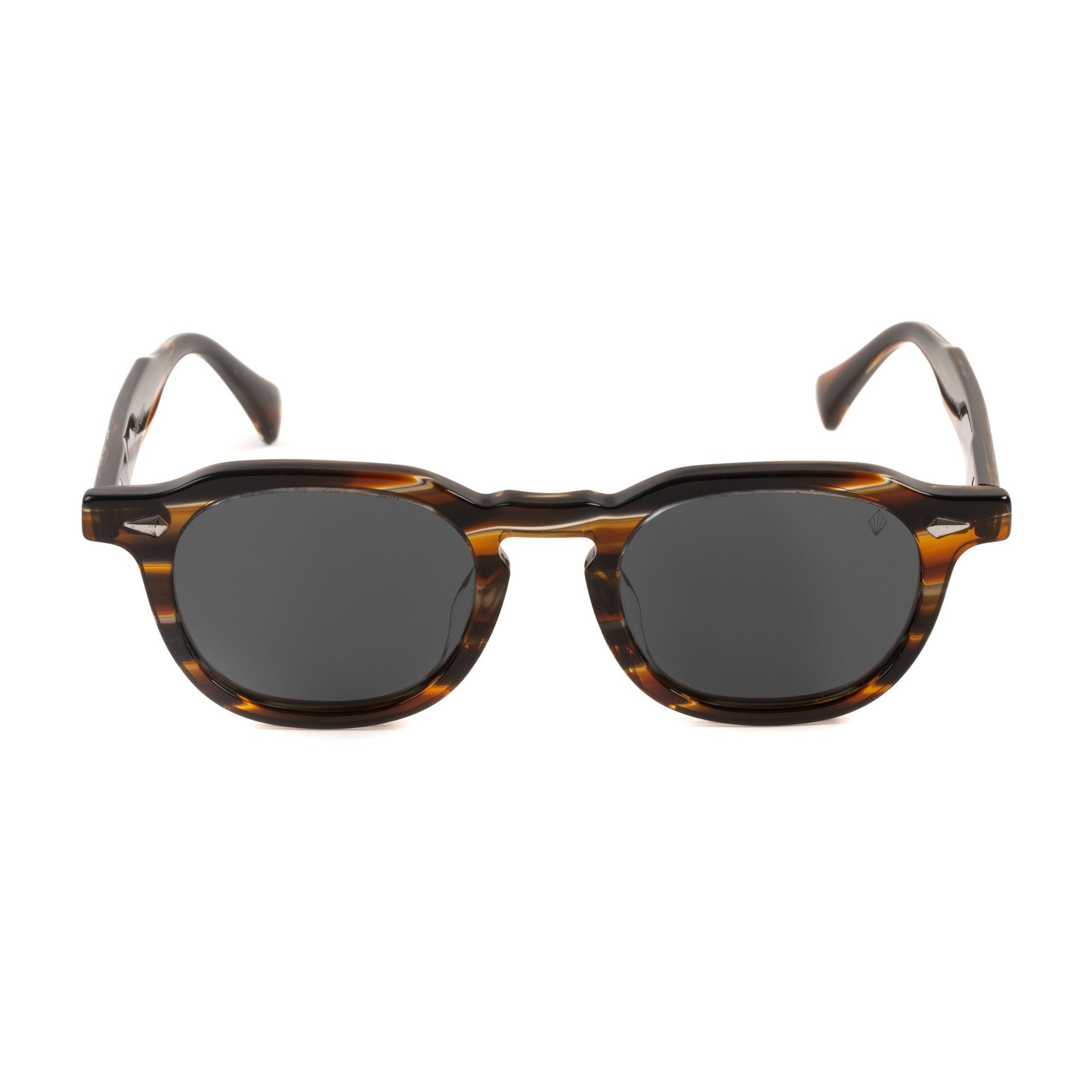
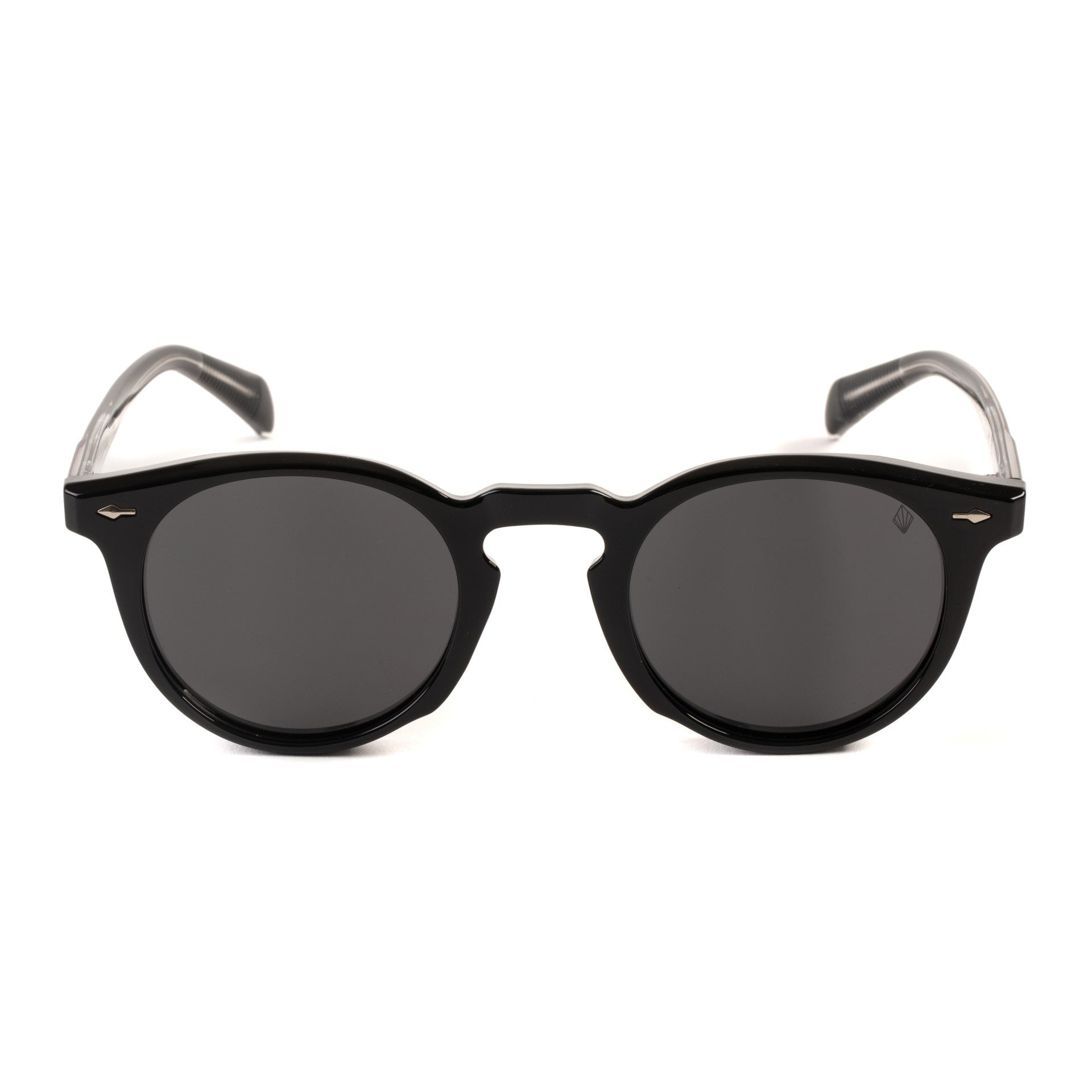
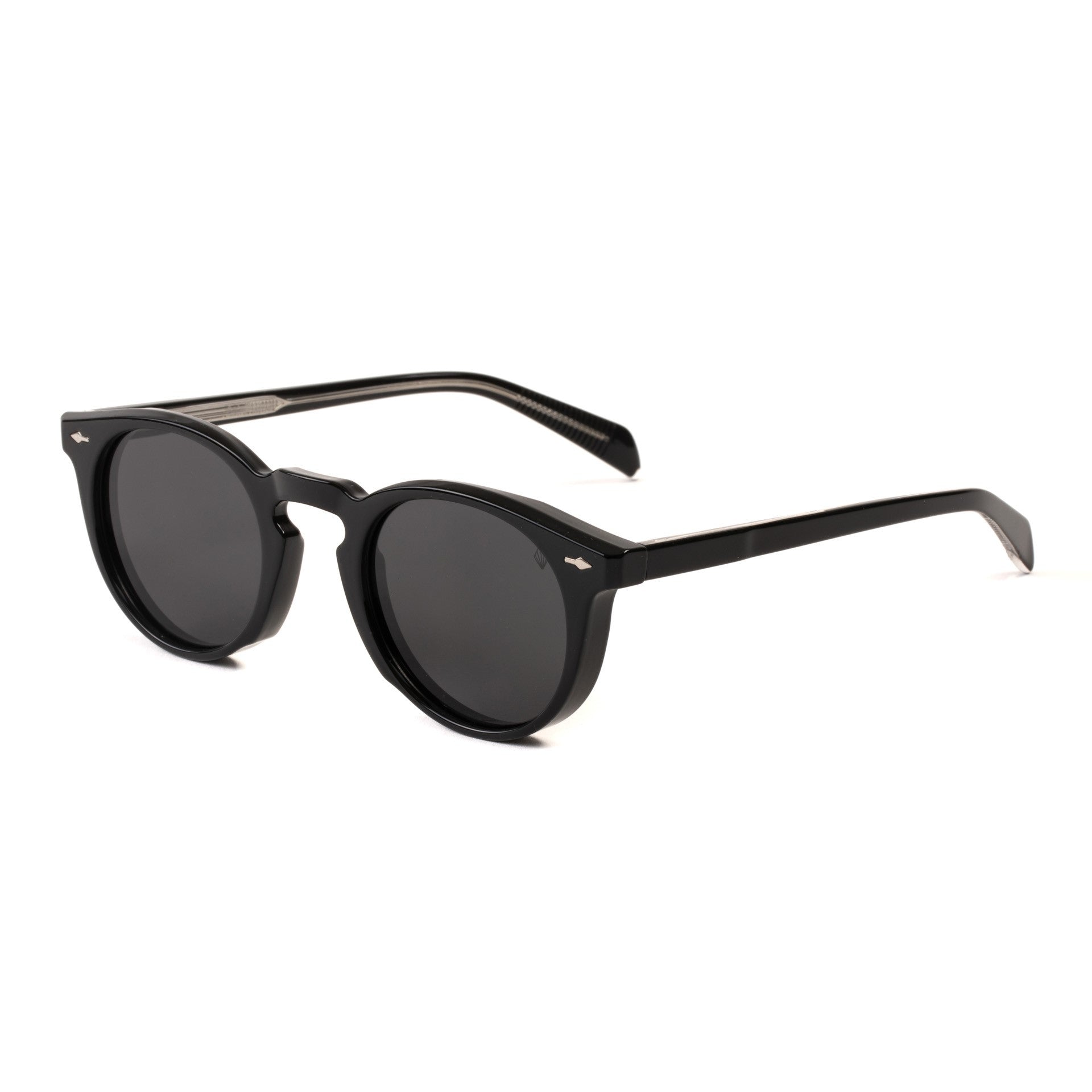
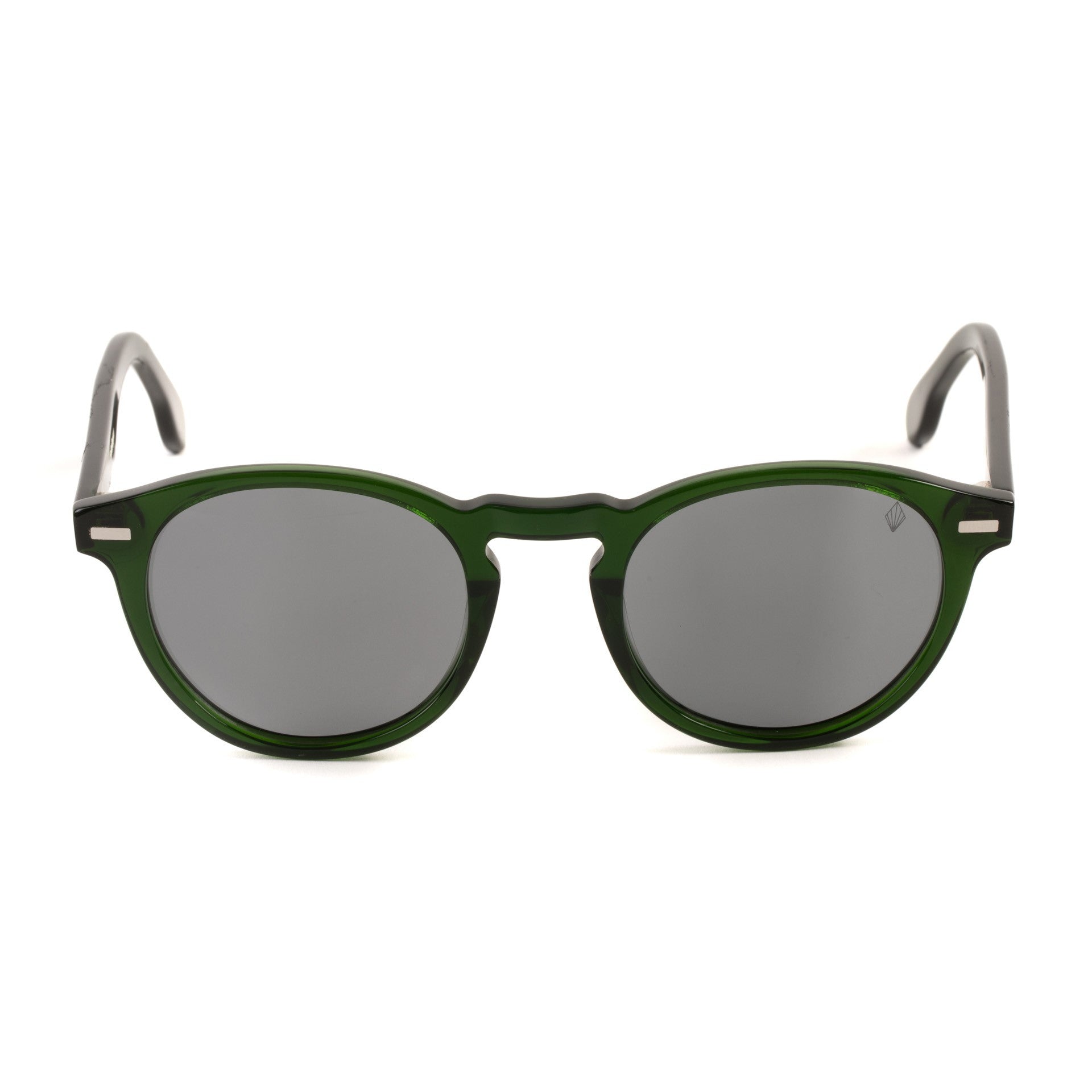
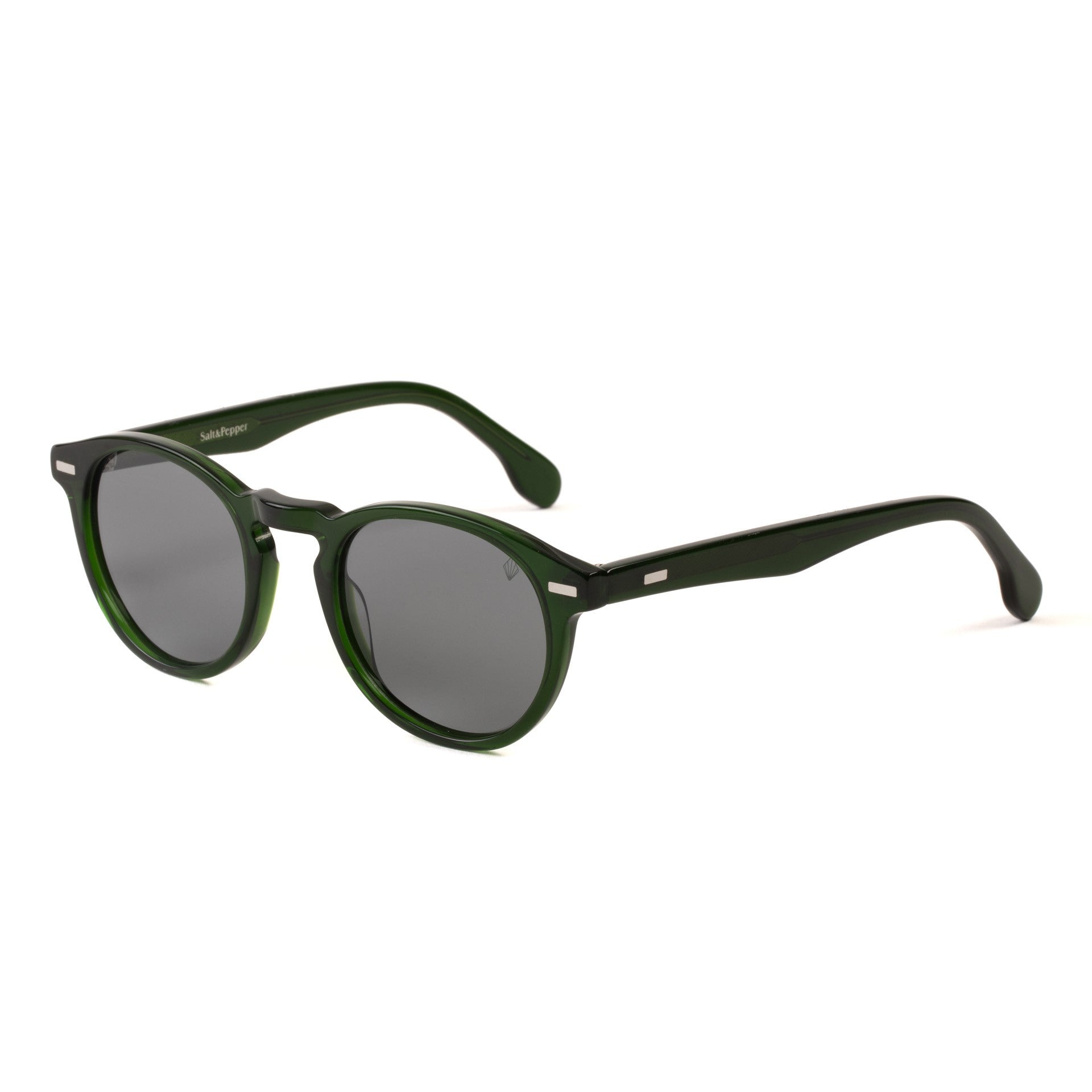
- Gray: Neutral color, steady brightness control. Often preferred for driving and daily use.
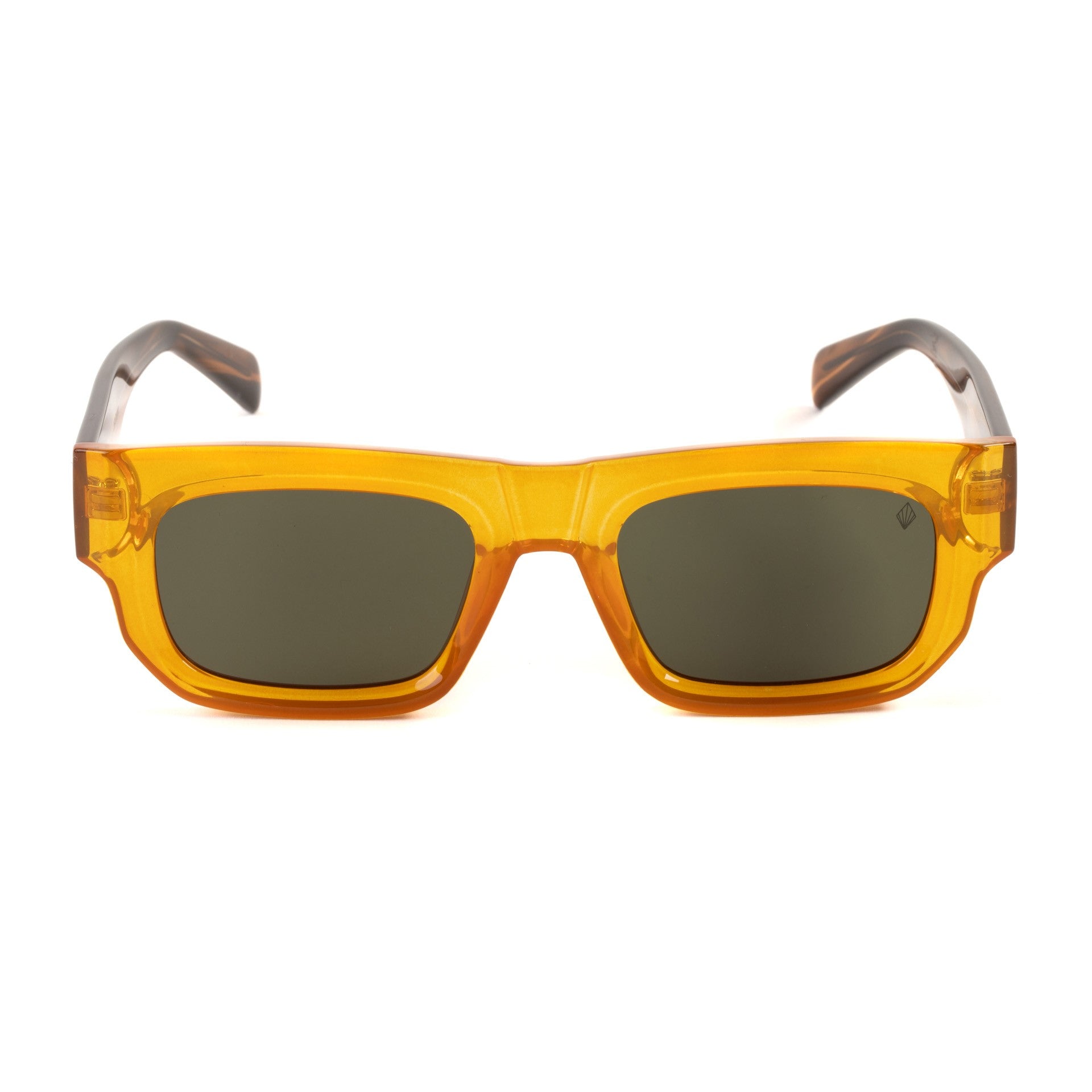
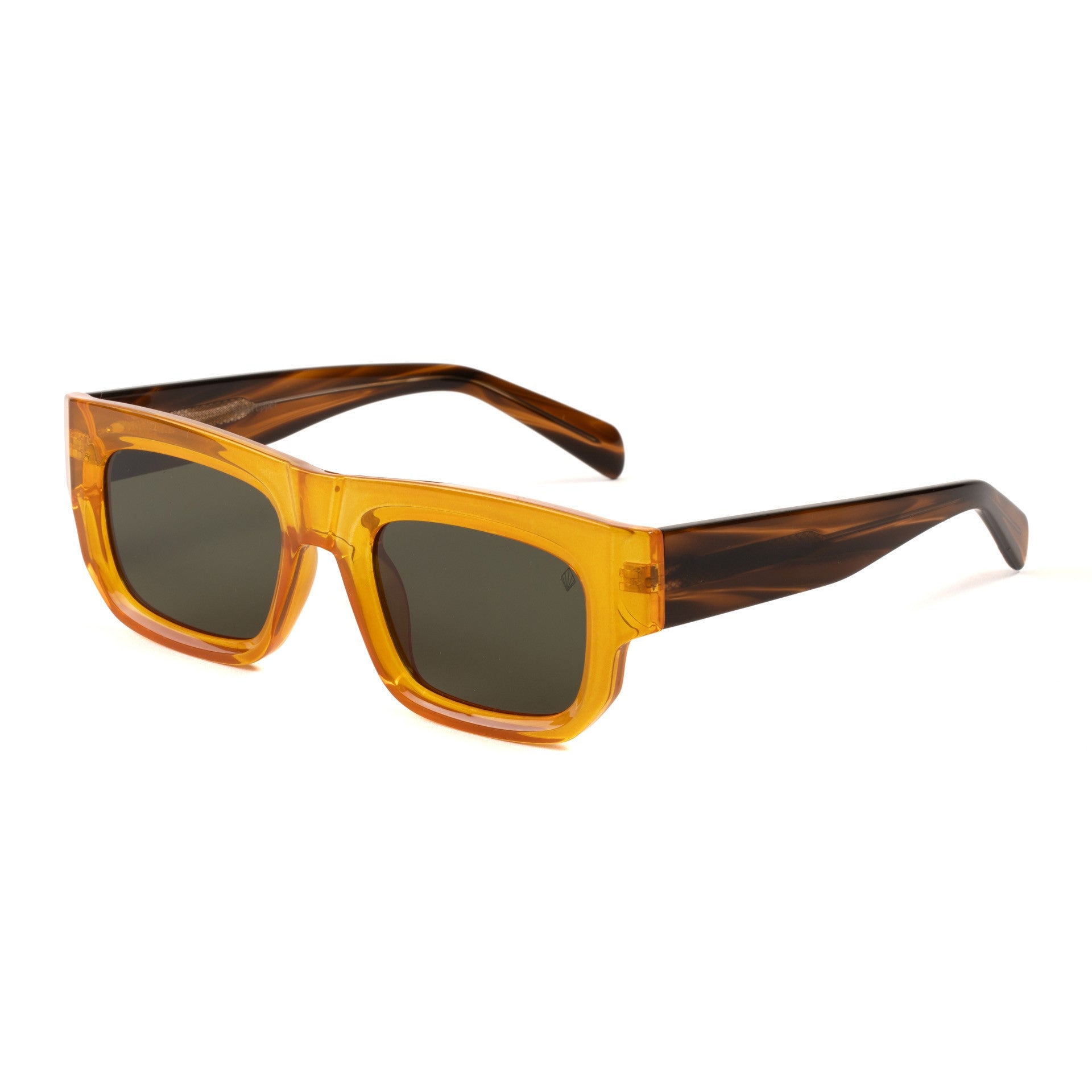
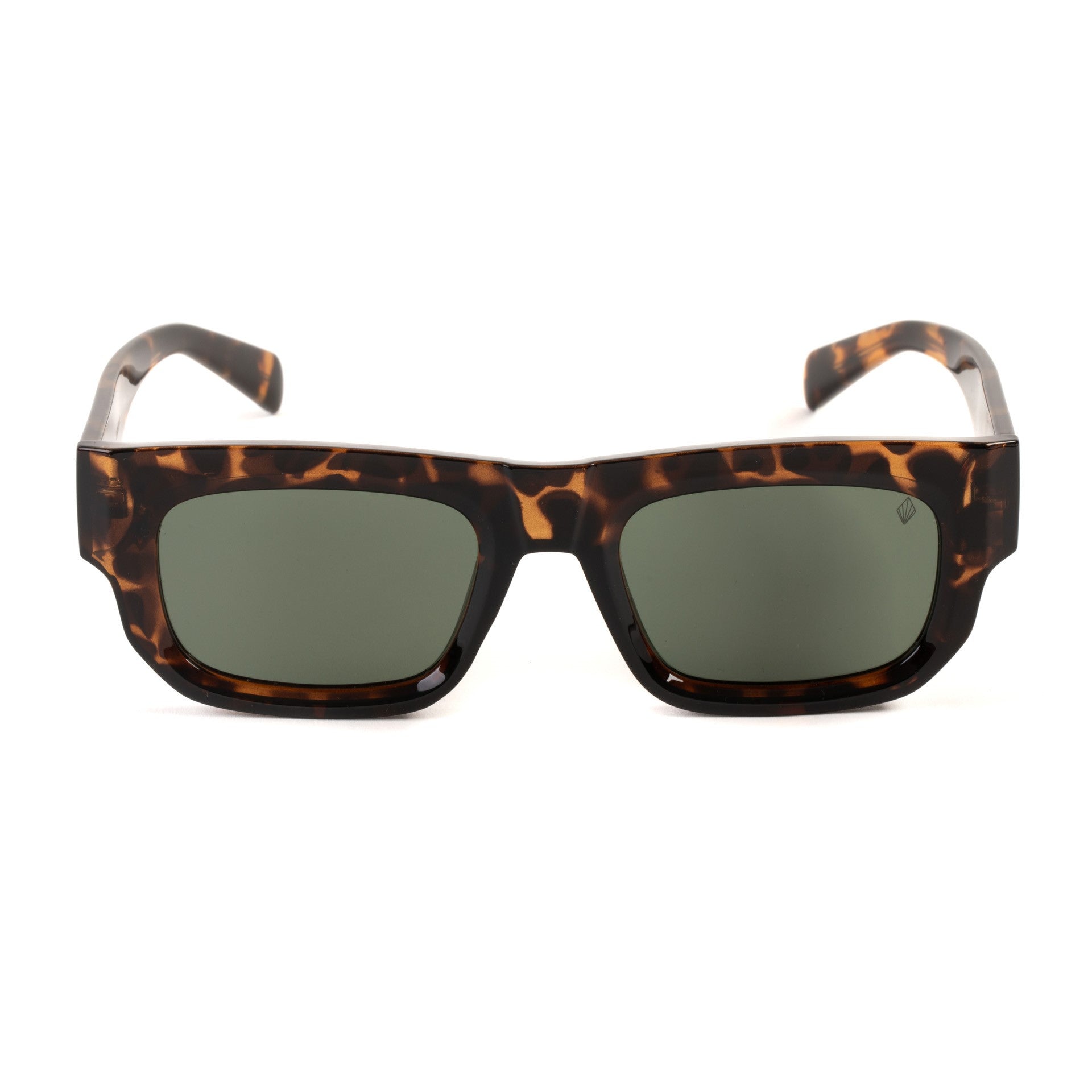
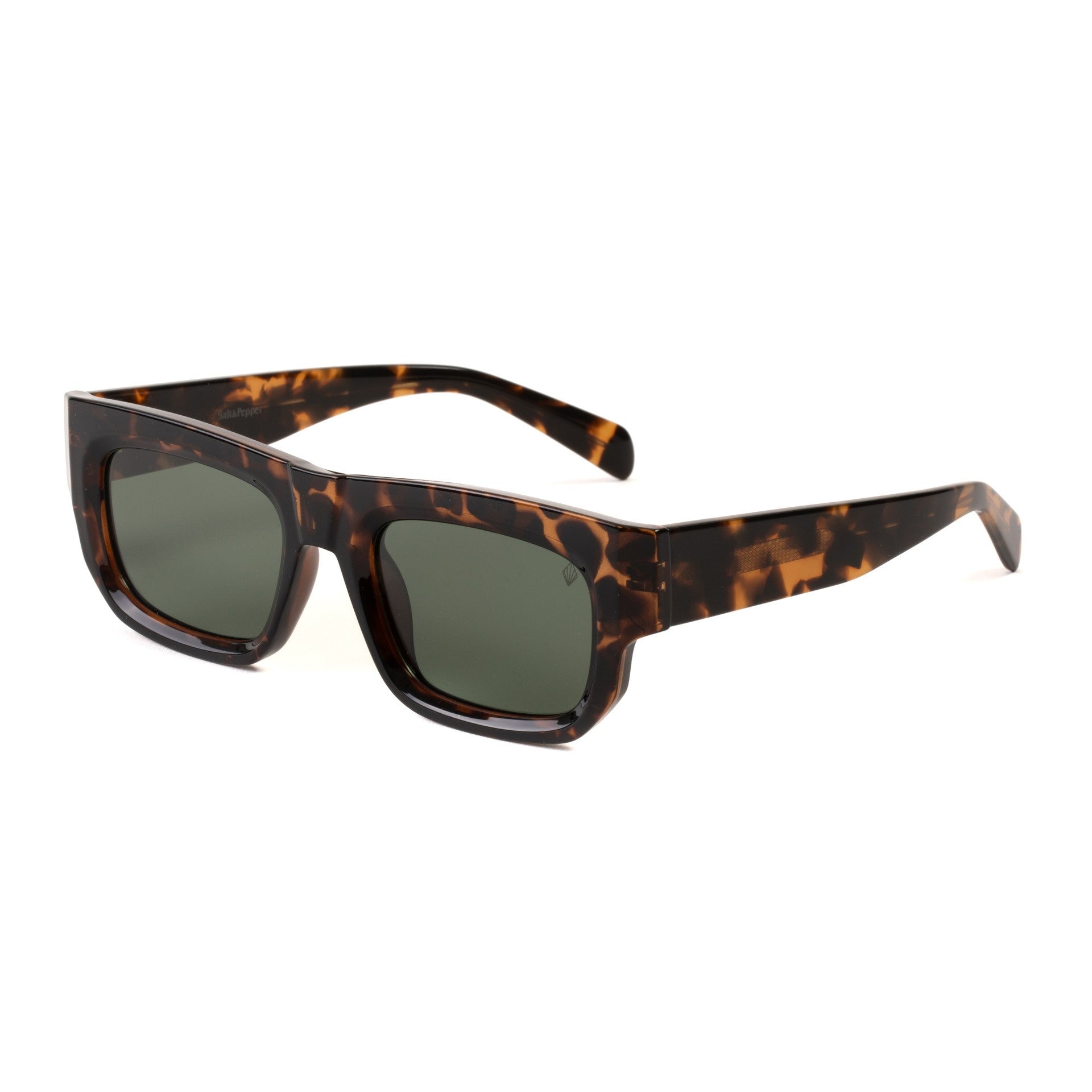
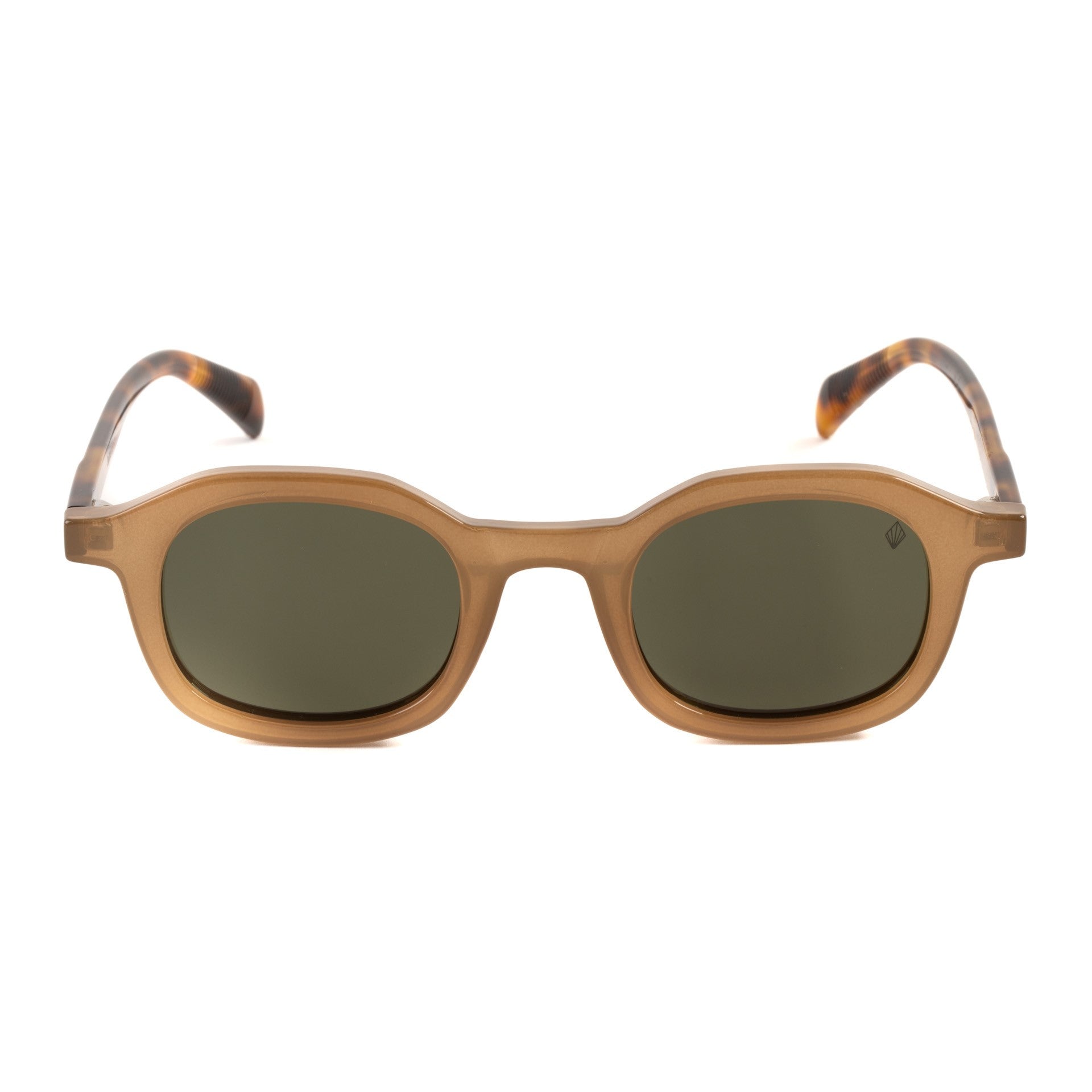
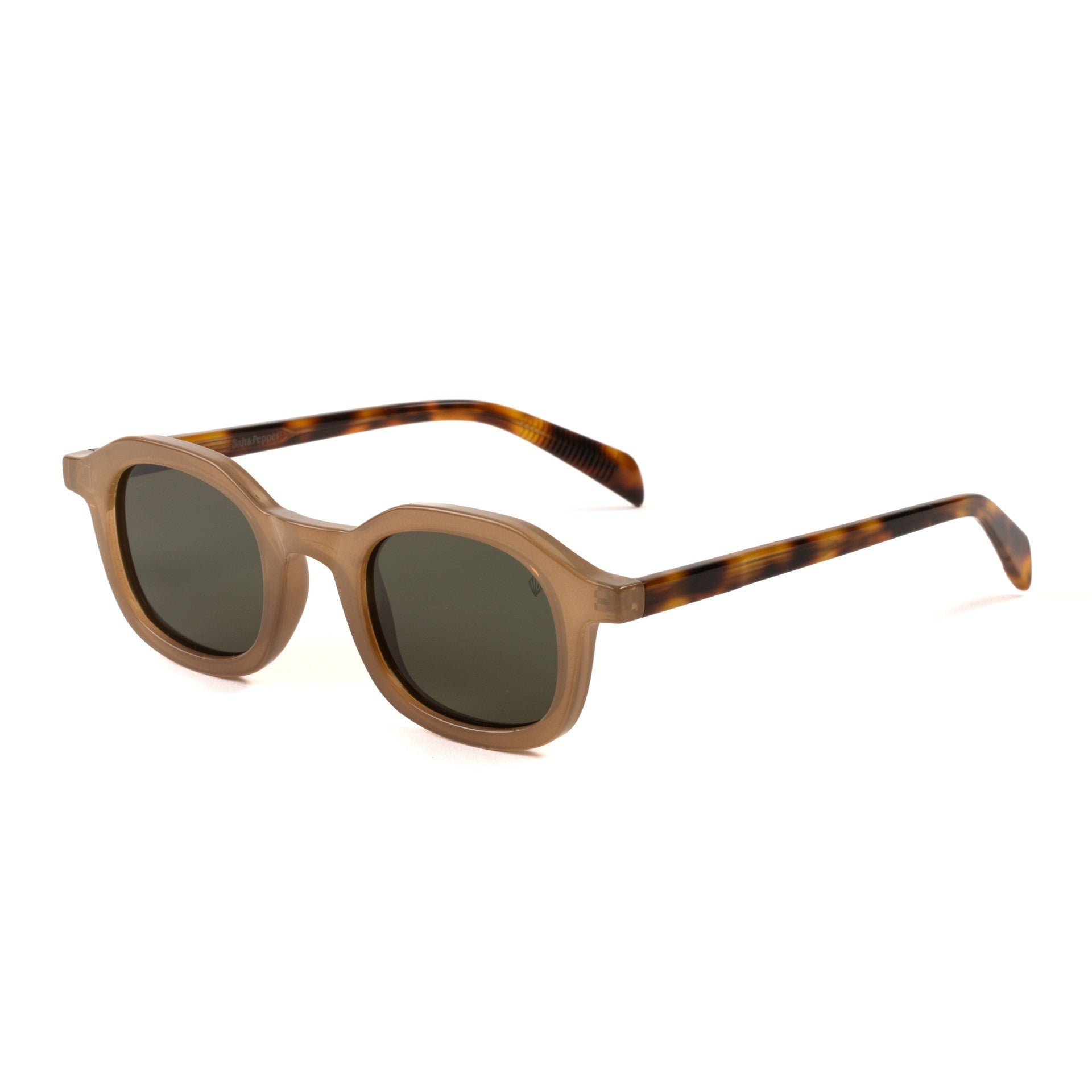
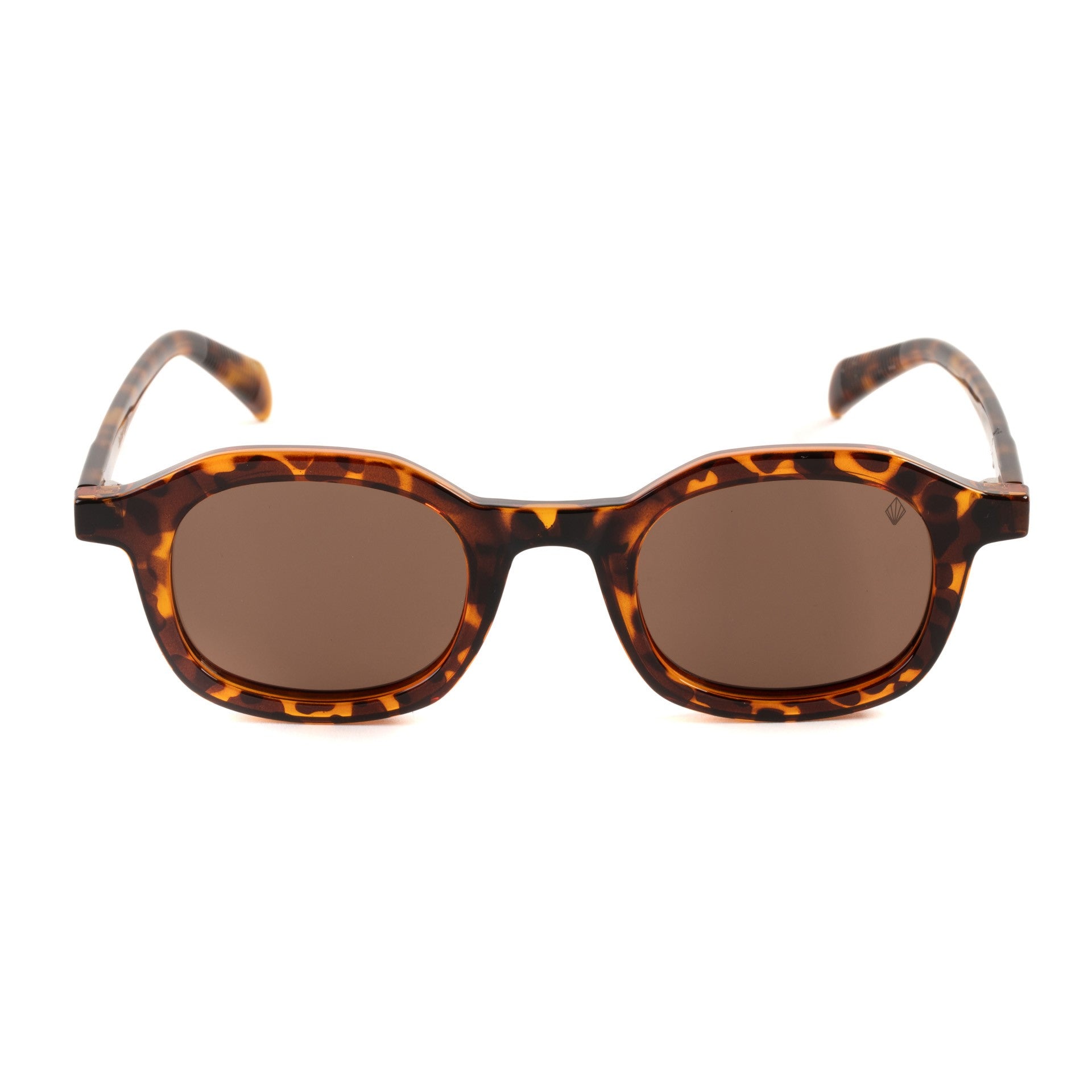
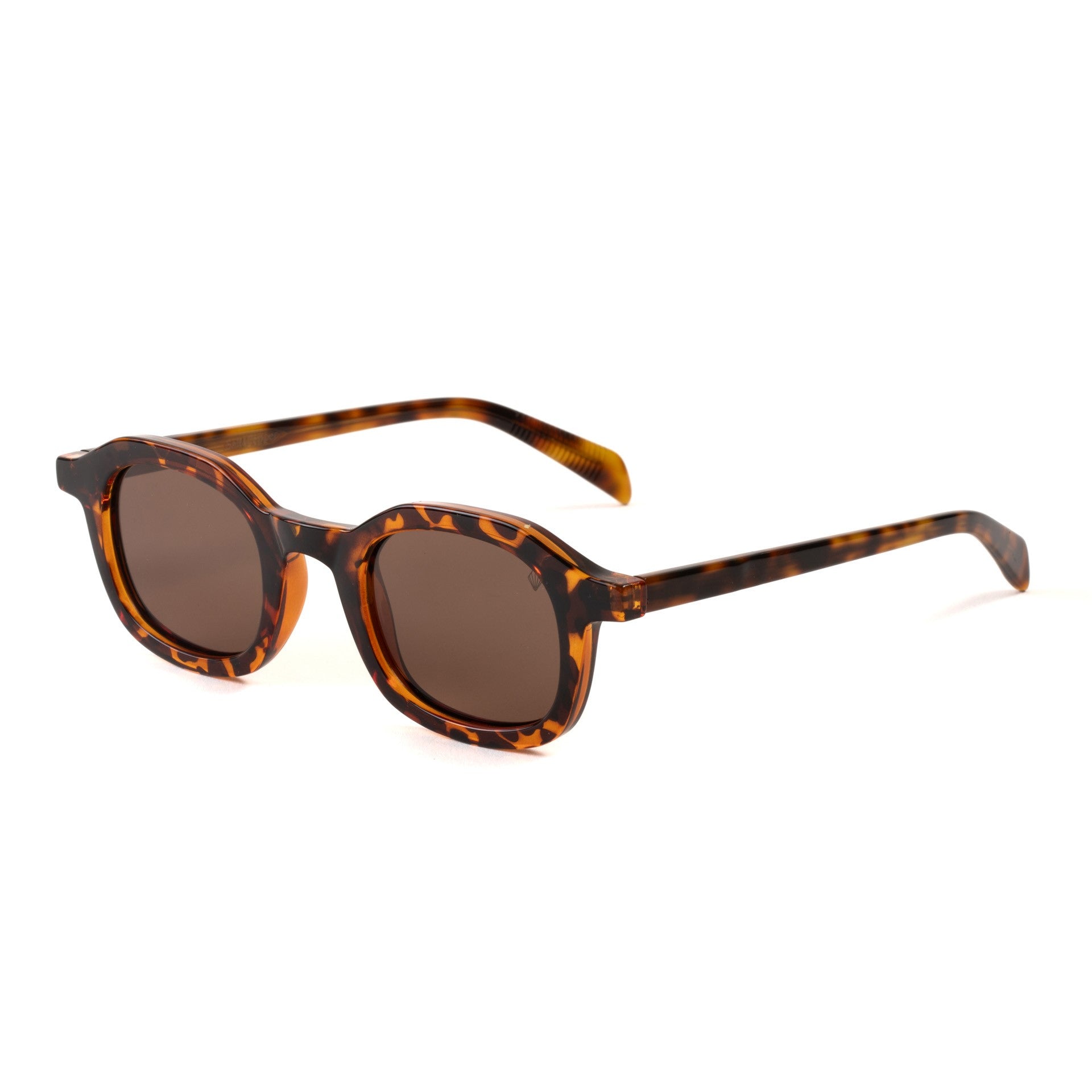
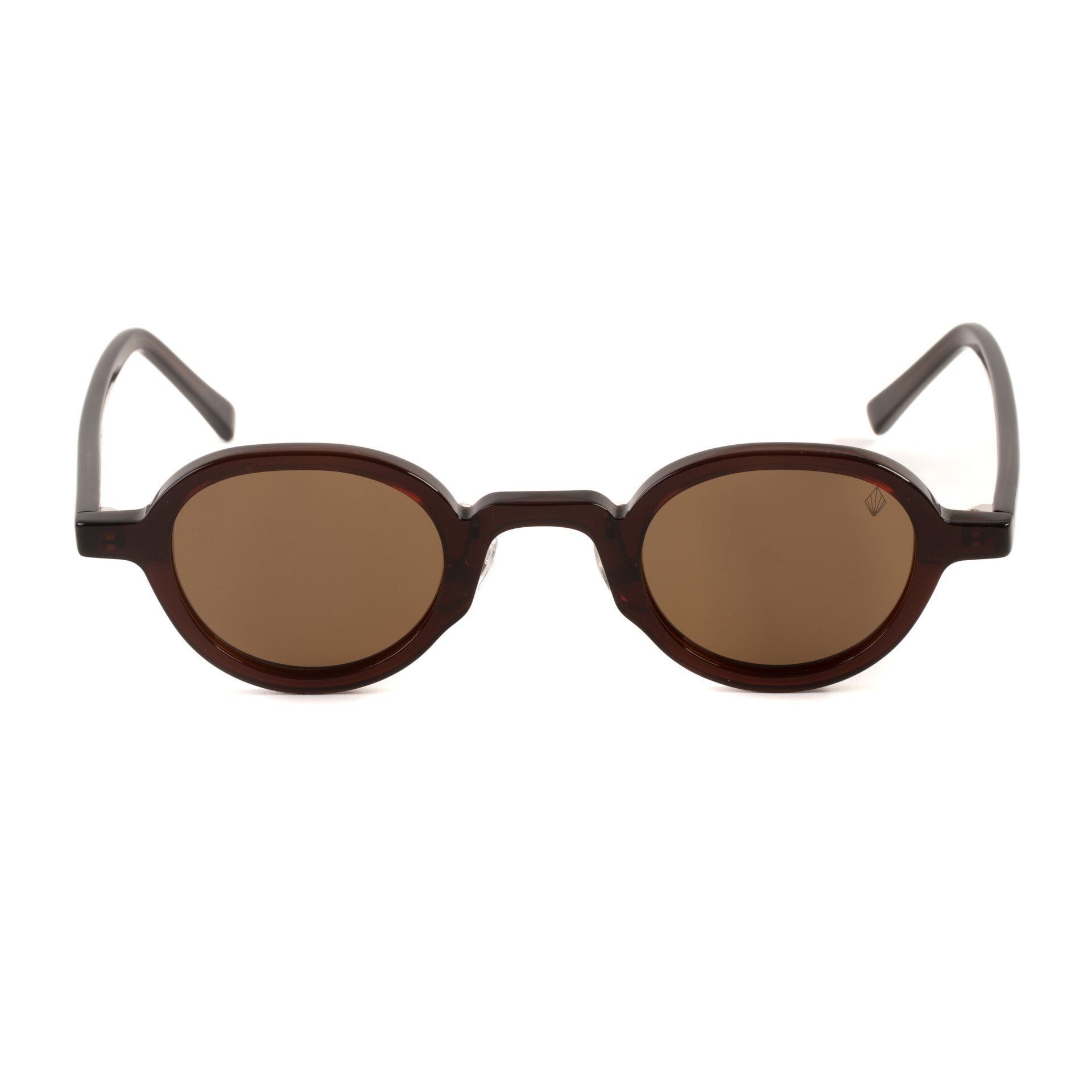
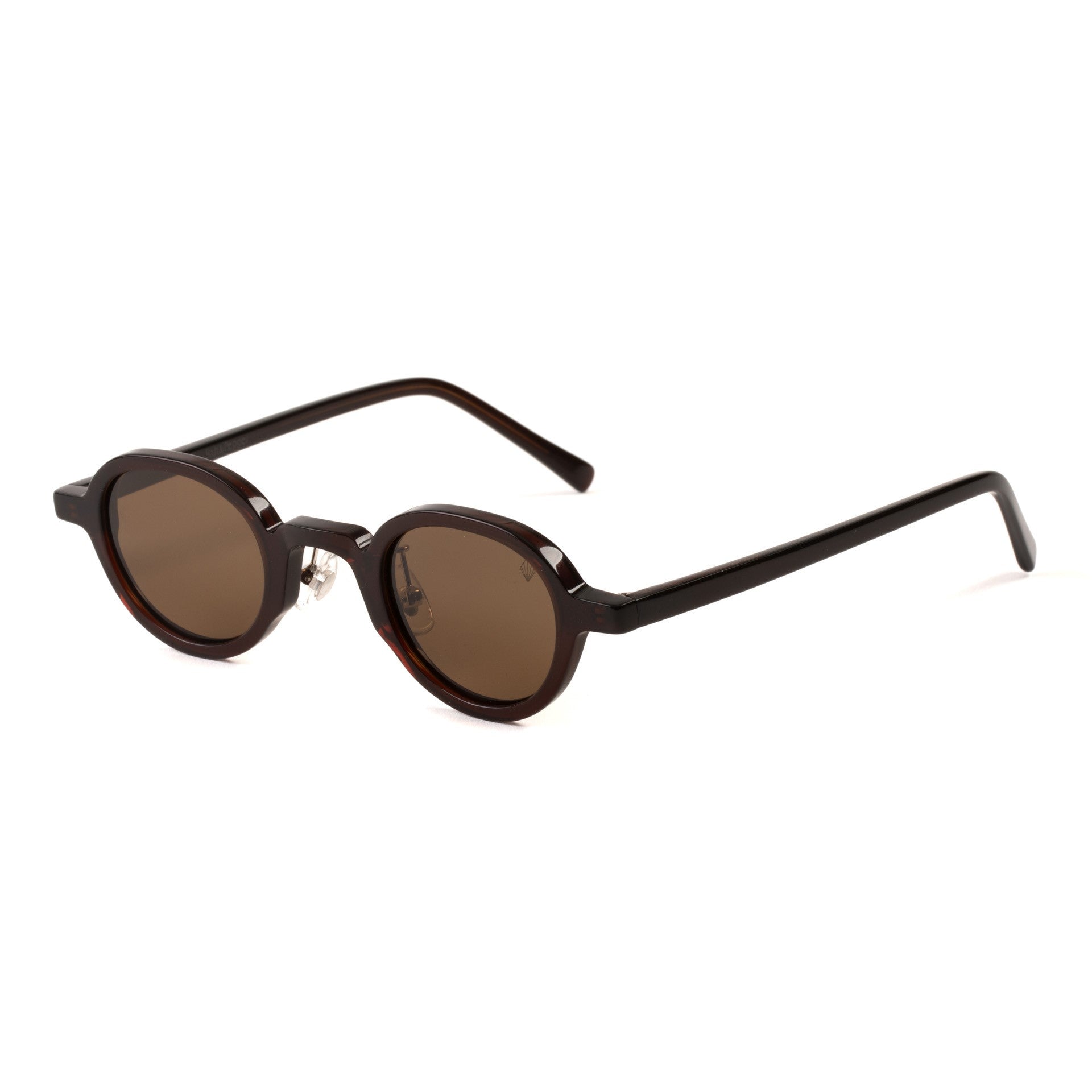
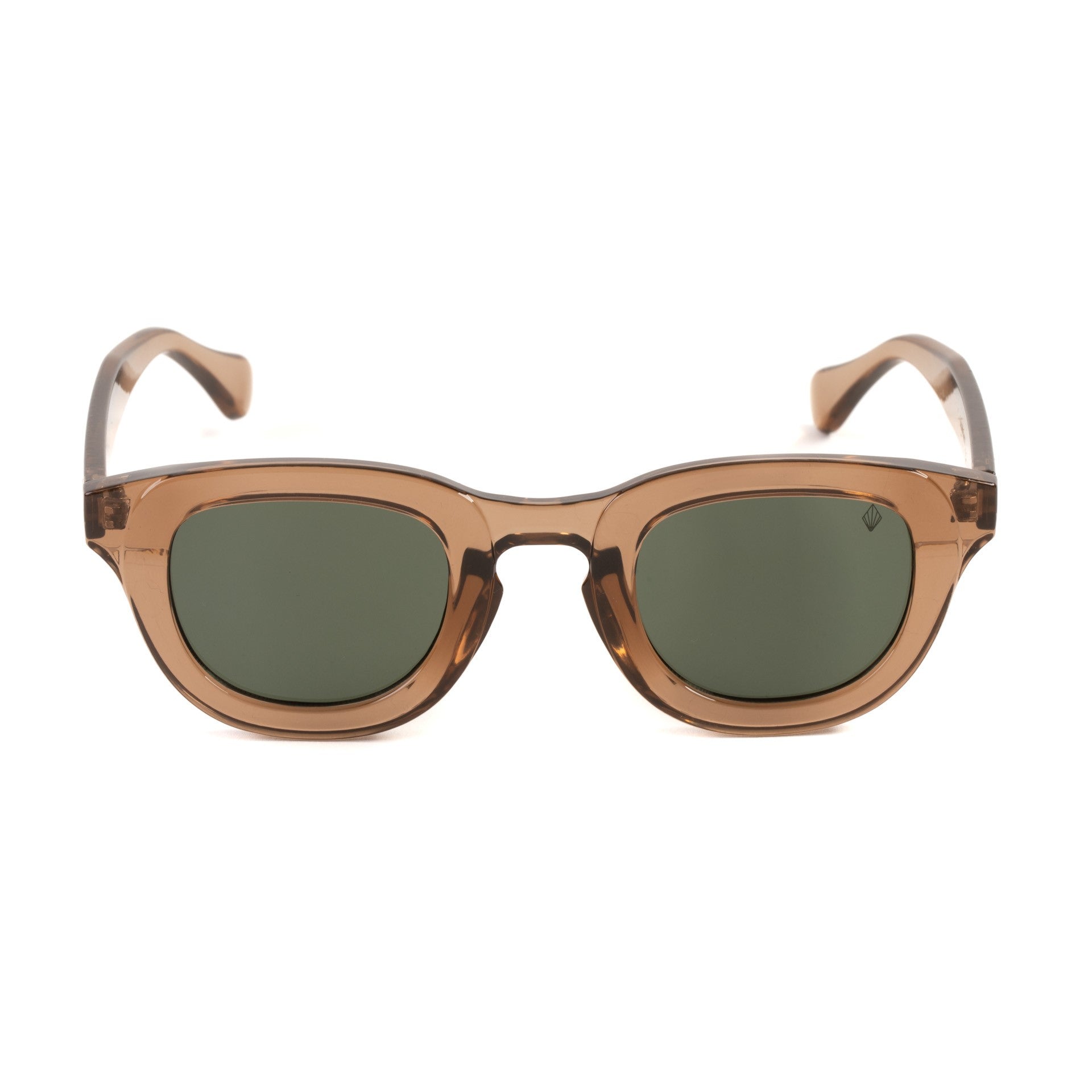
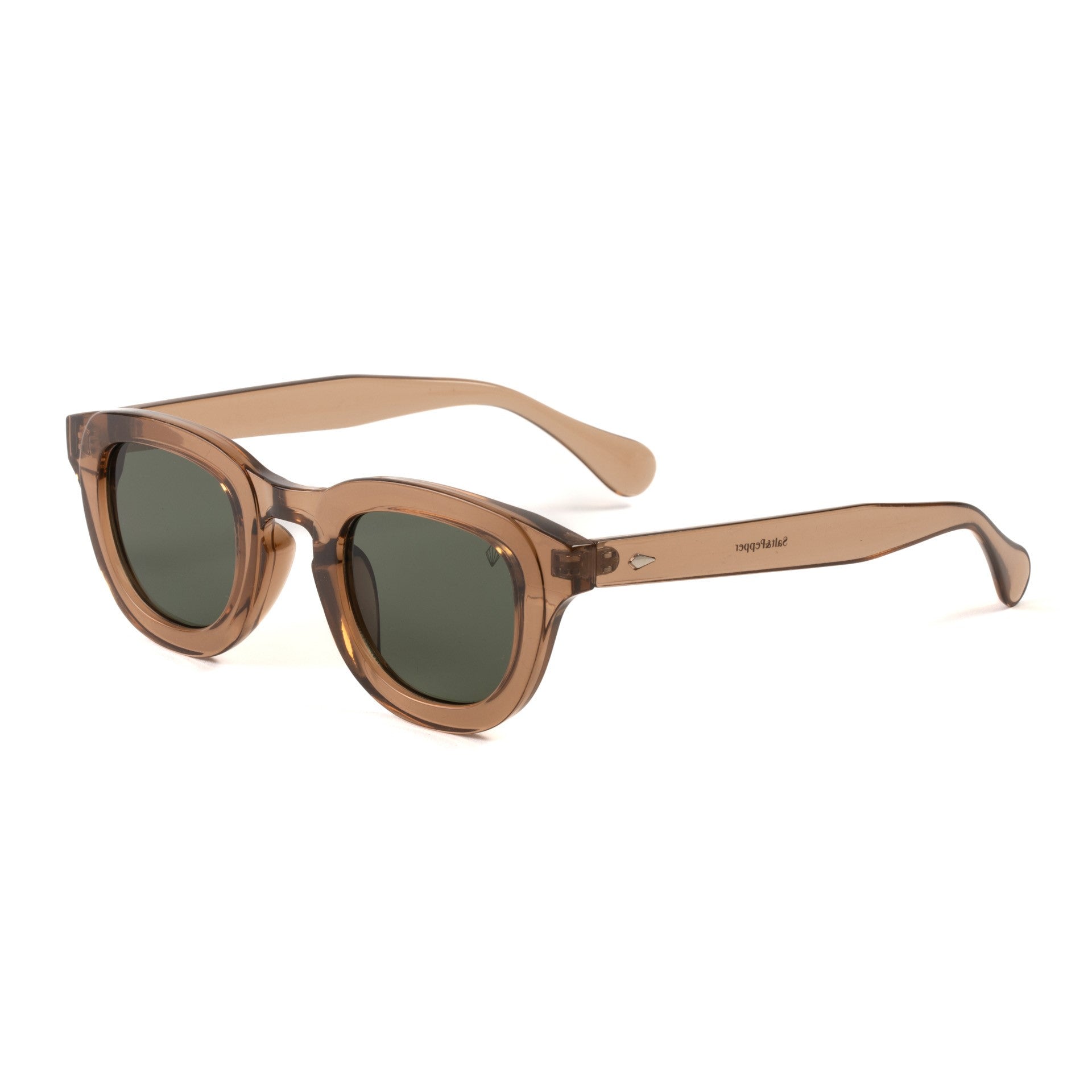
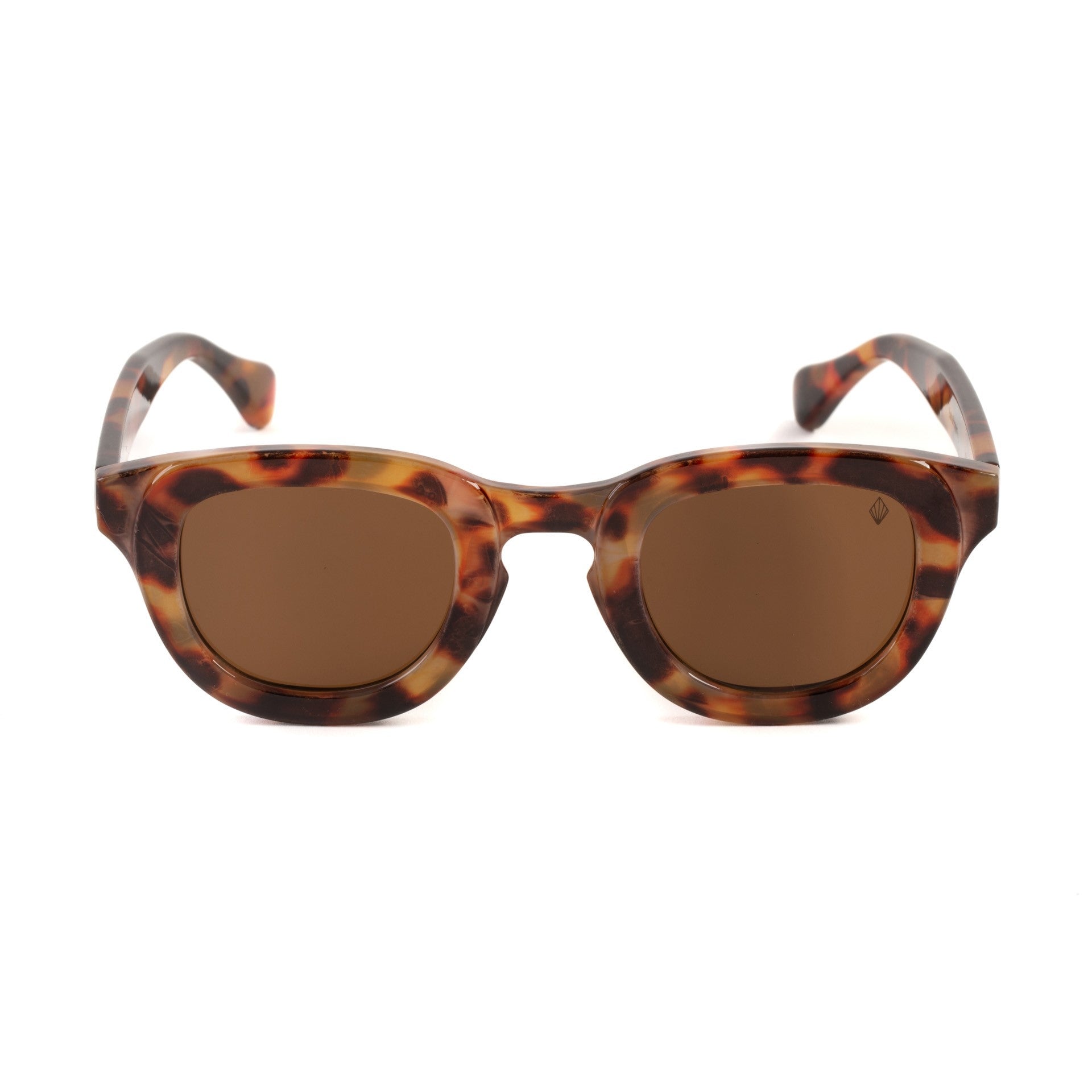
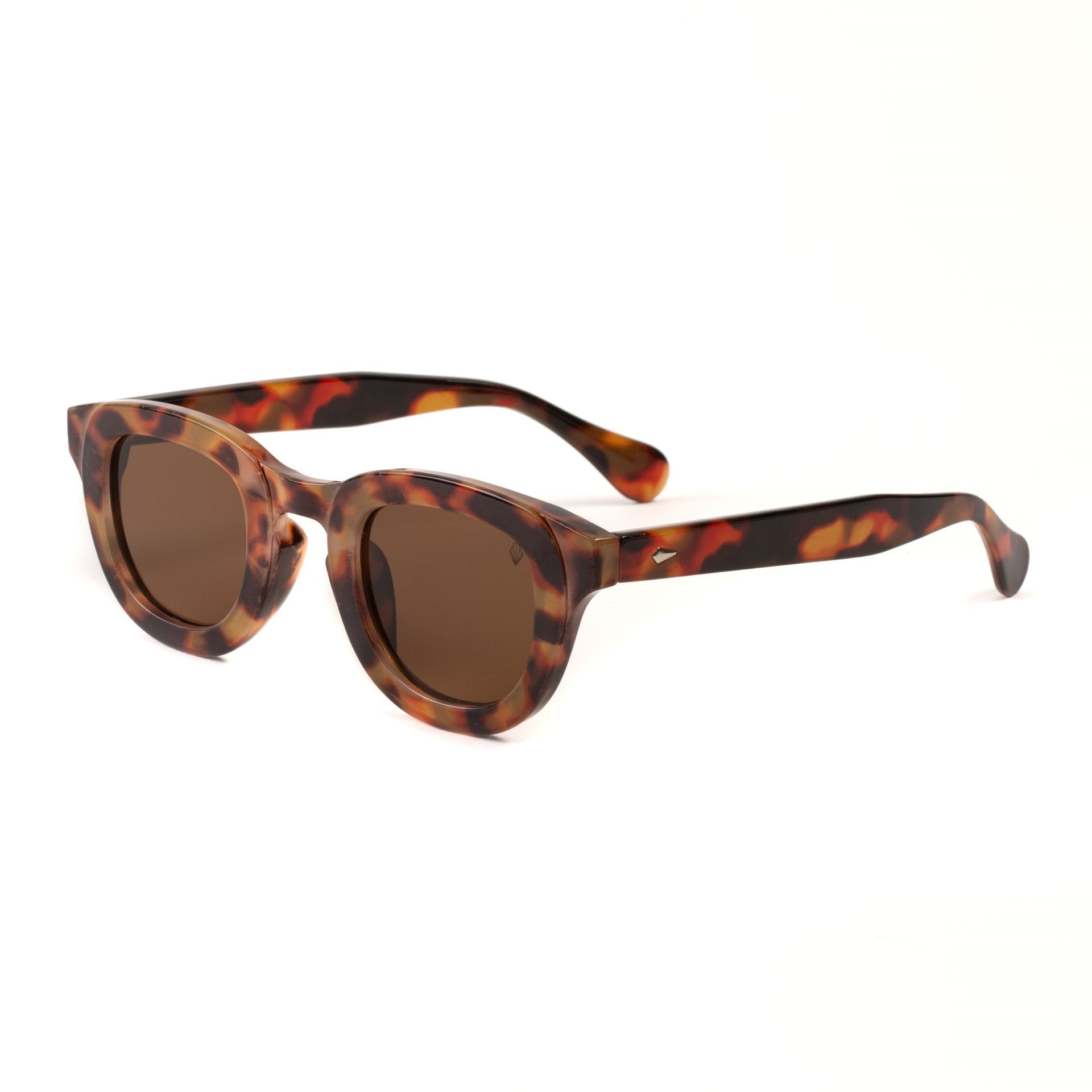
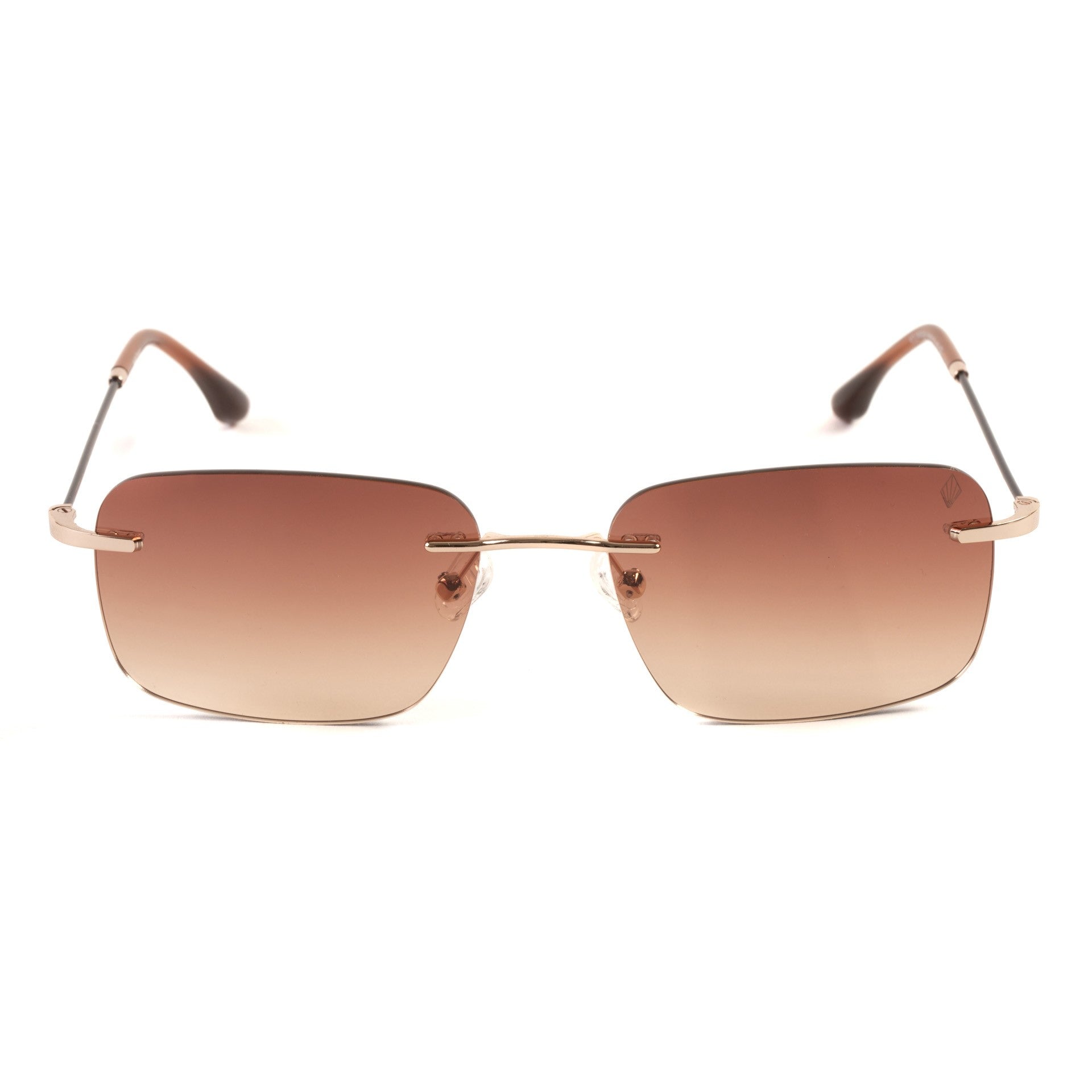
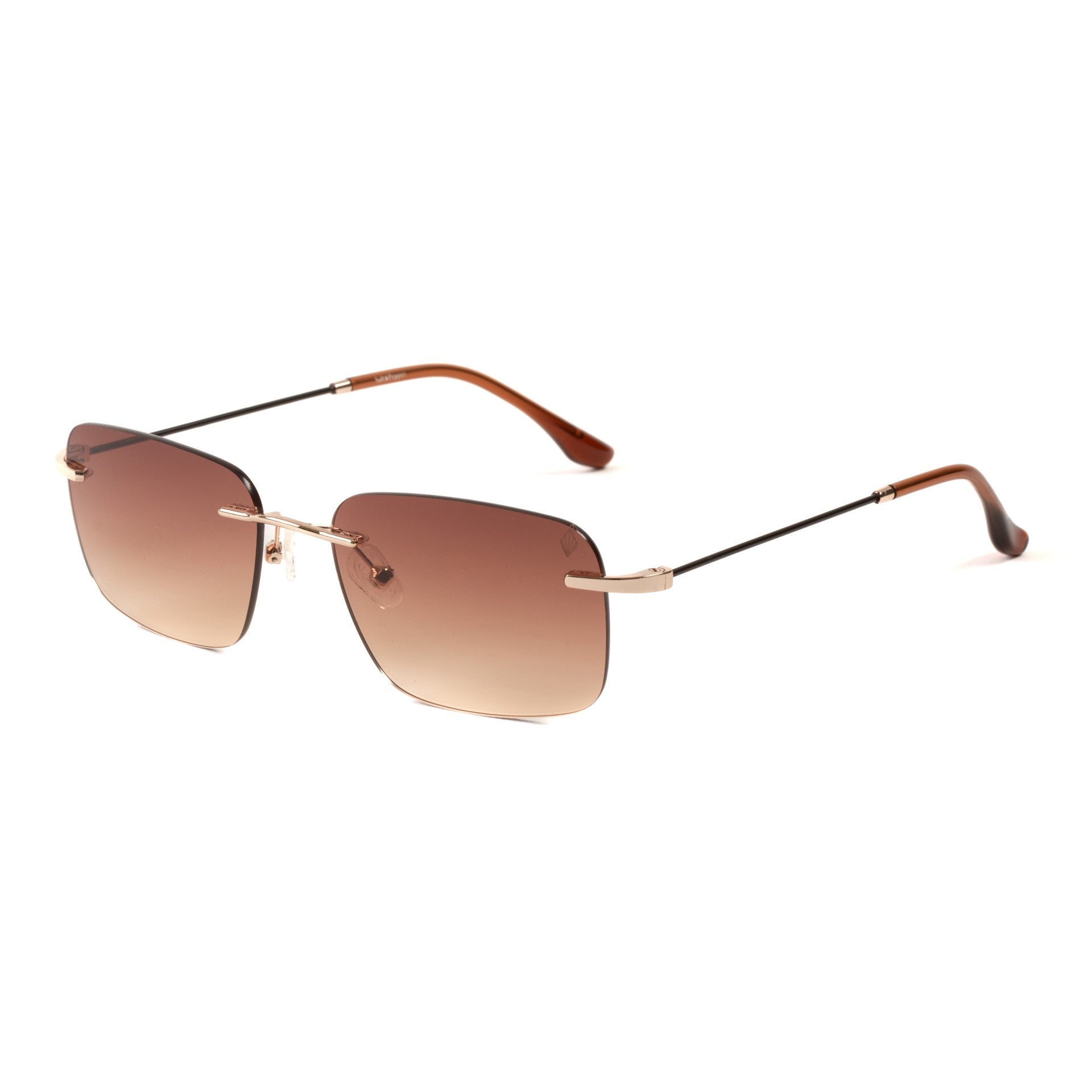
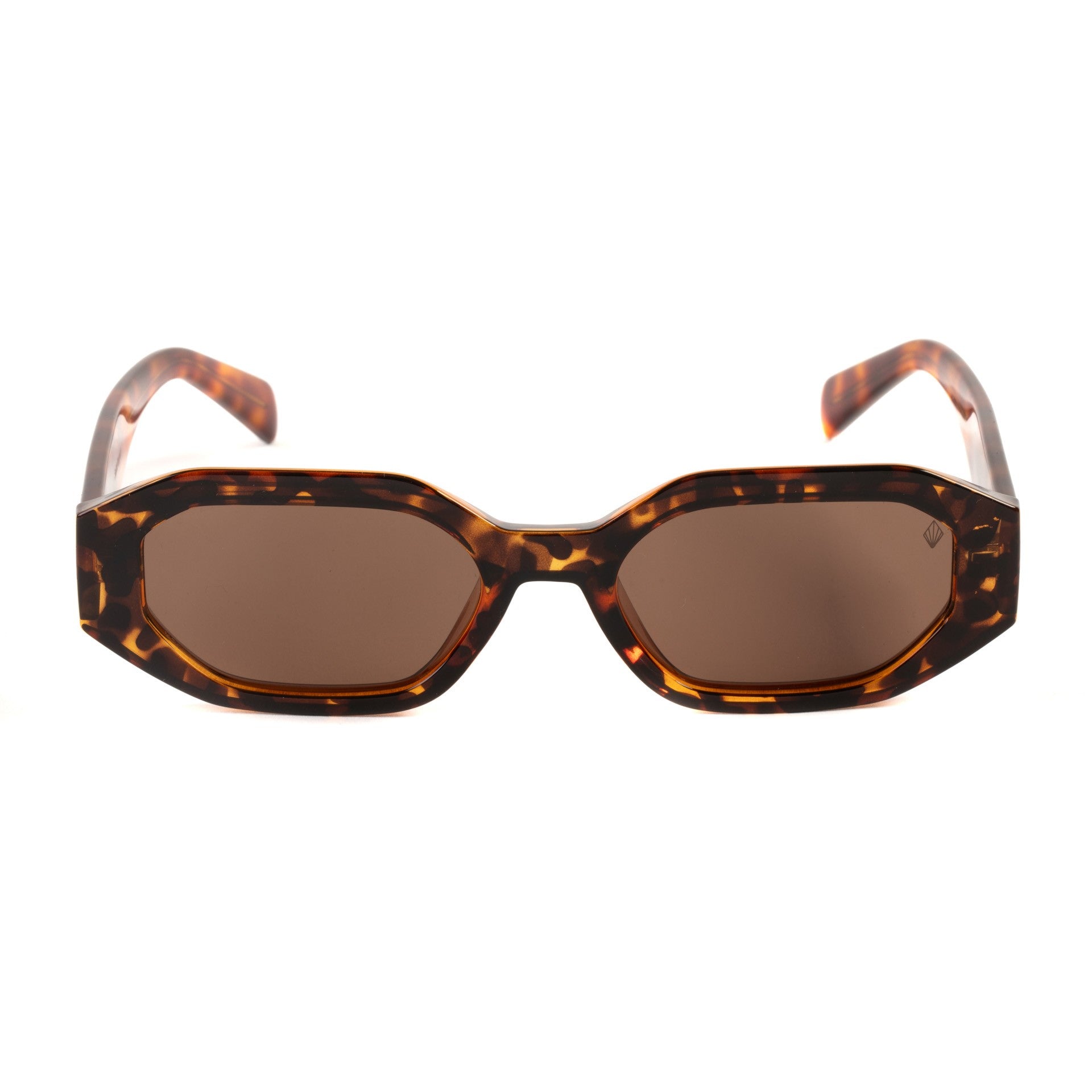
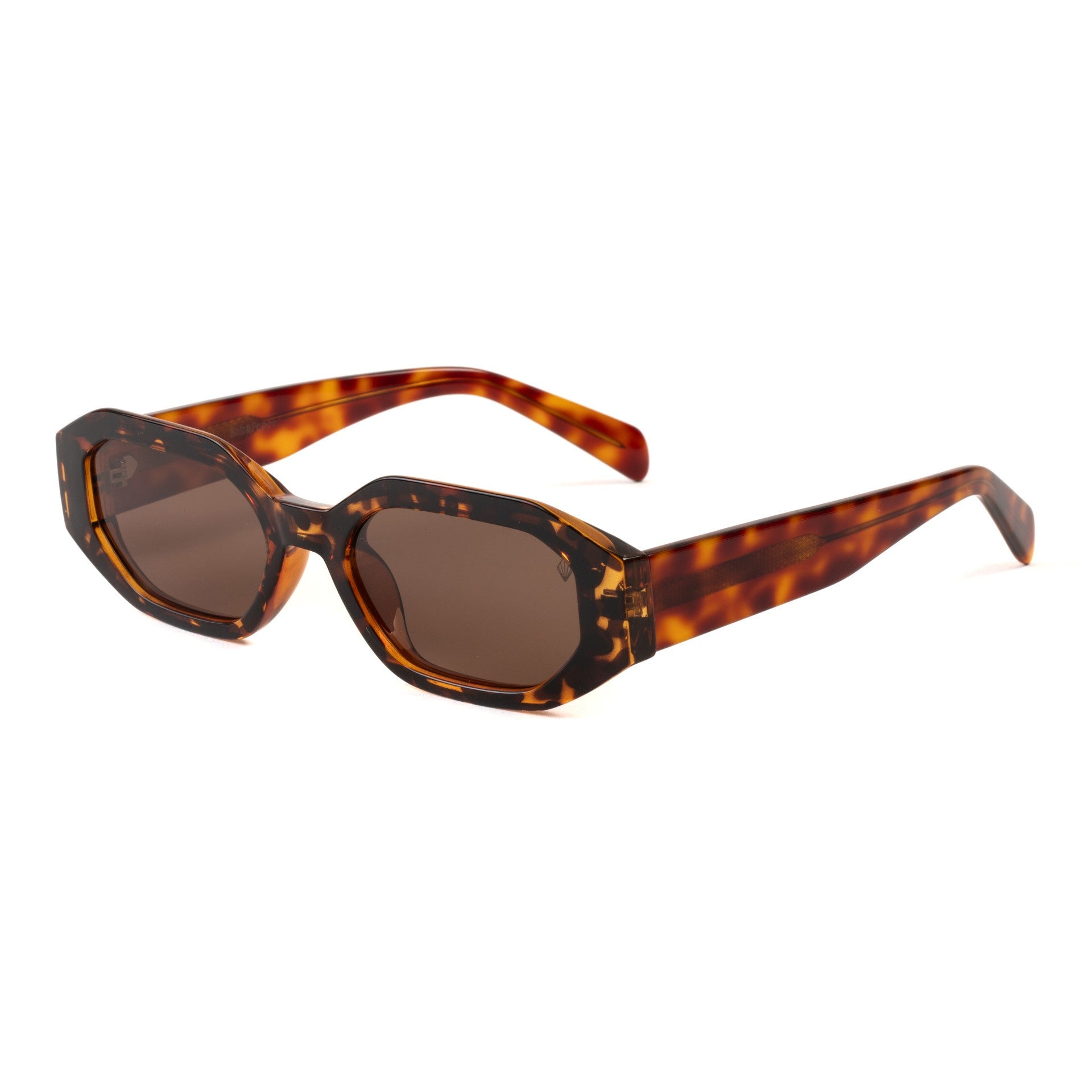
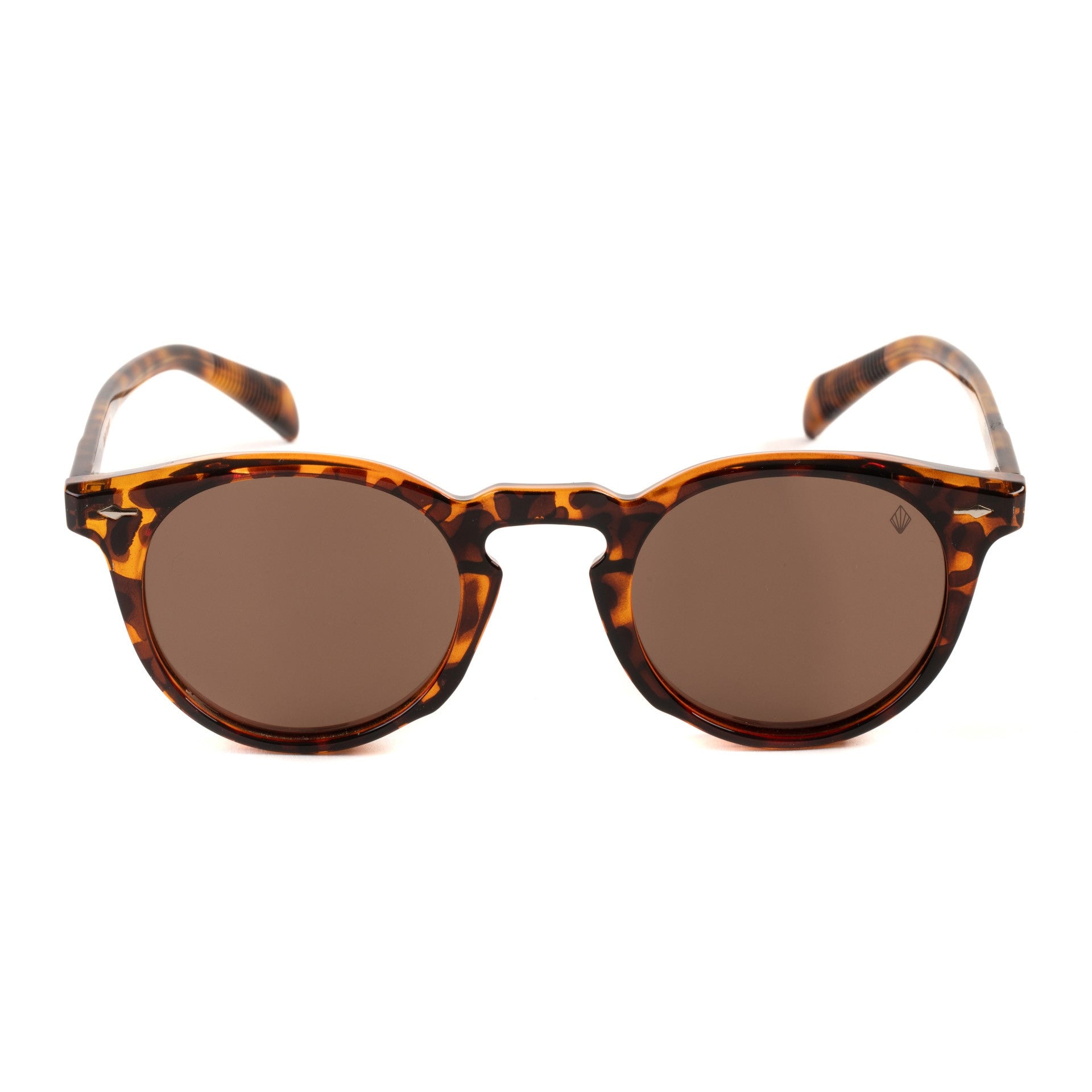
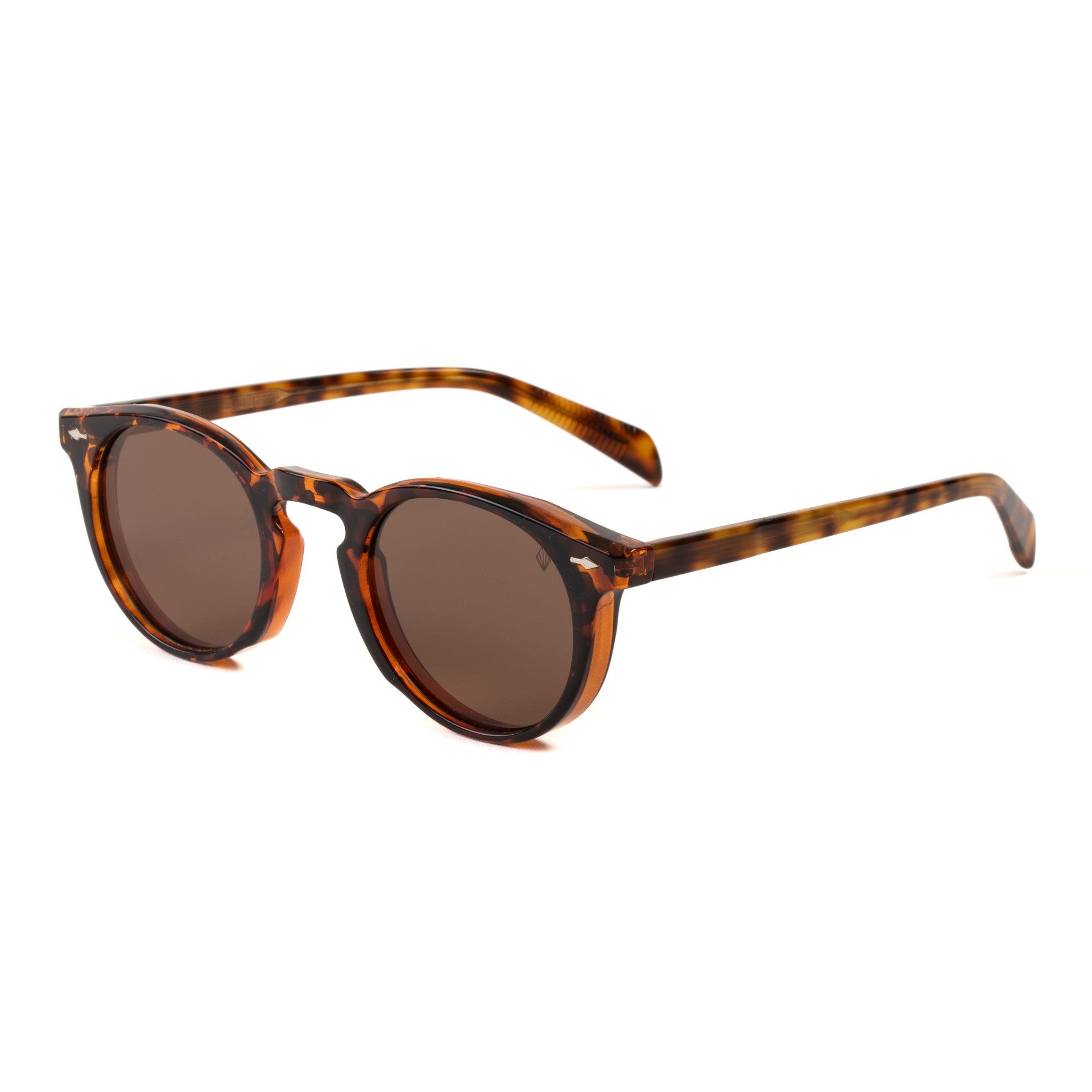
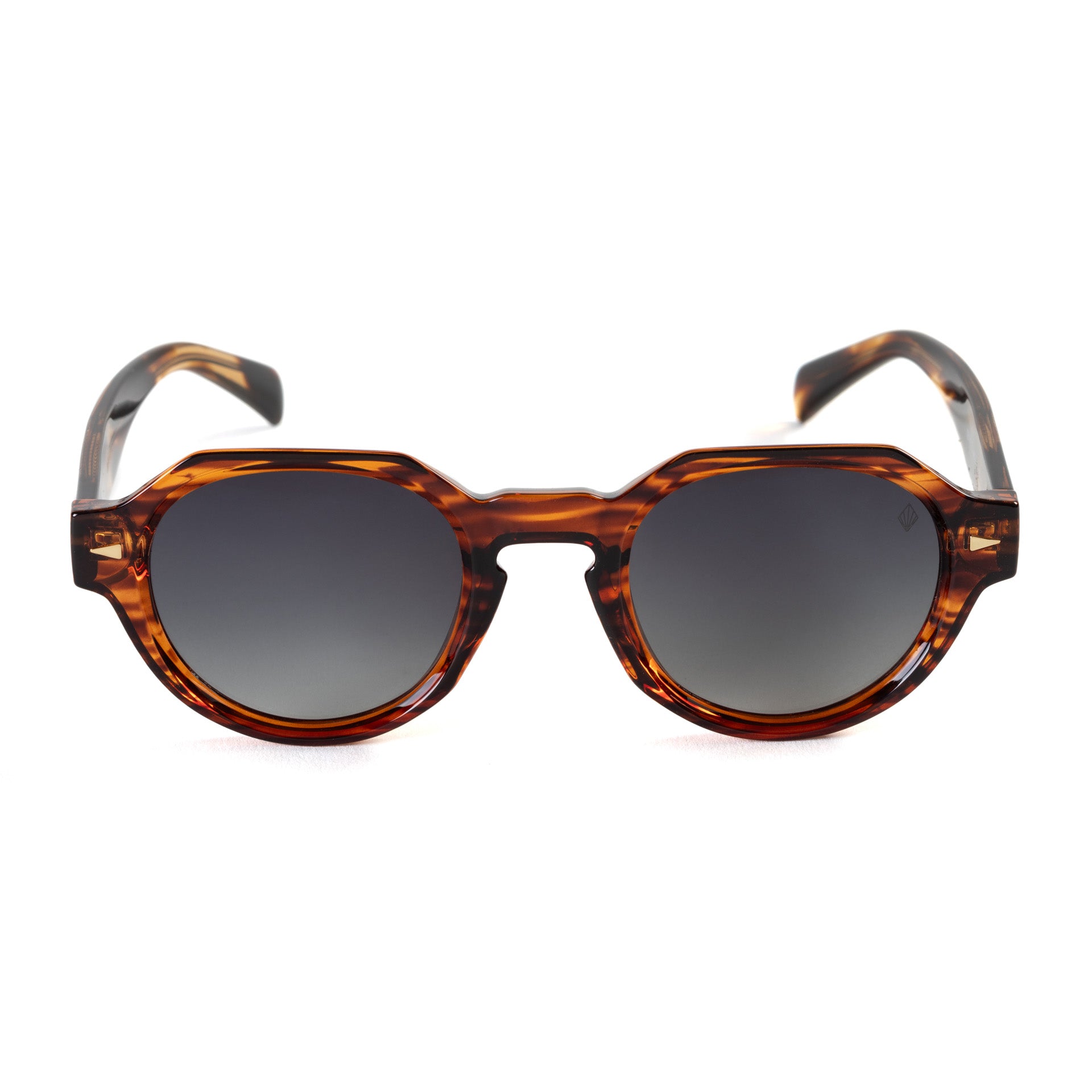
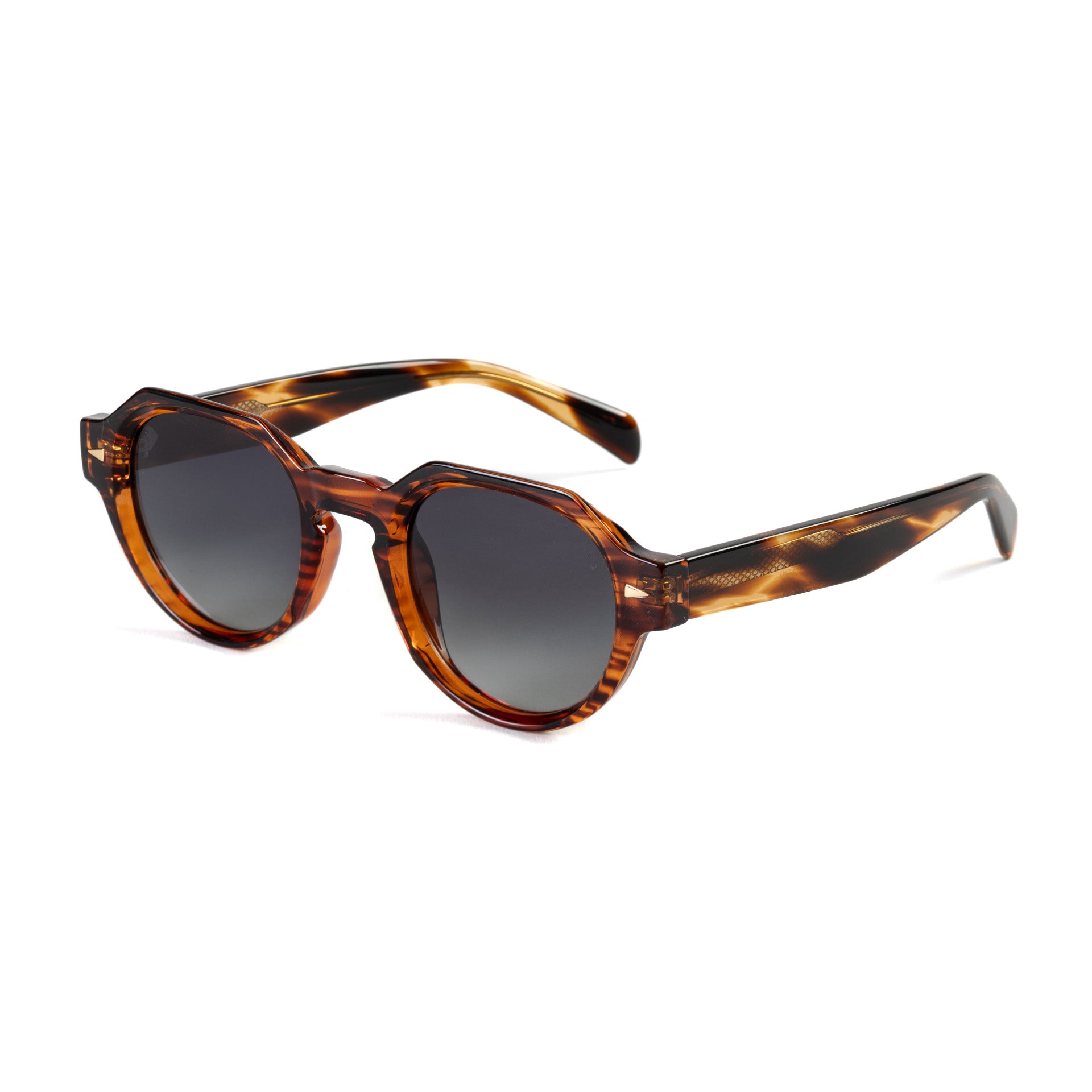
- Brown/Copper: Warmer contrast that can help define edges and depth in changing light, popular for outdoor activities.
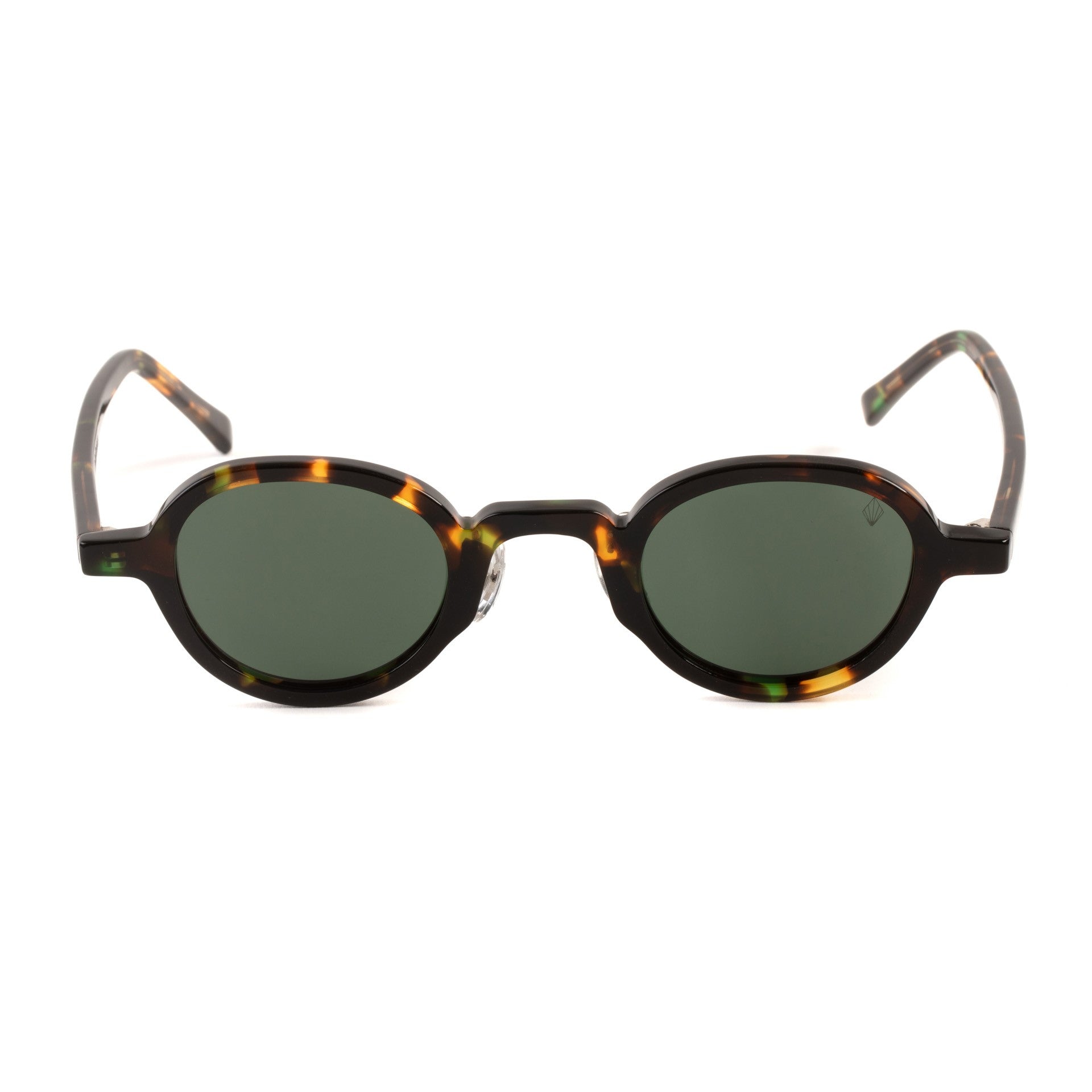
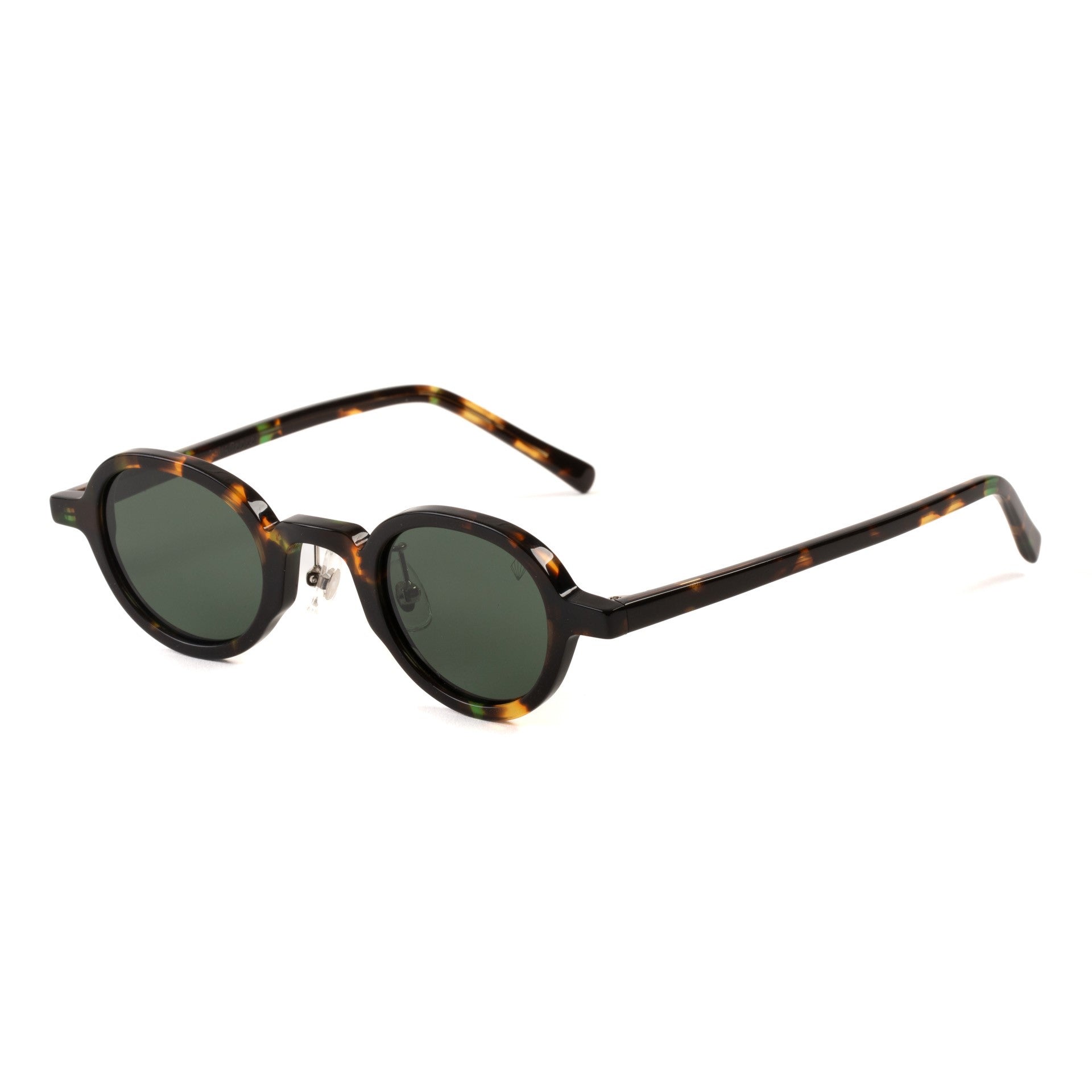
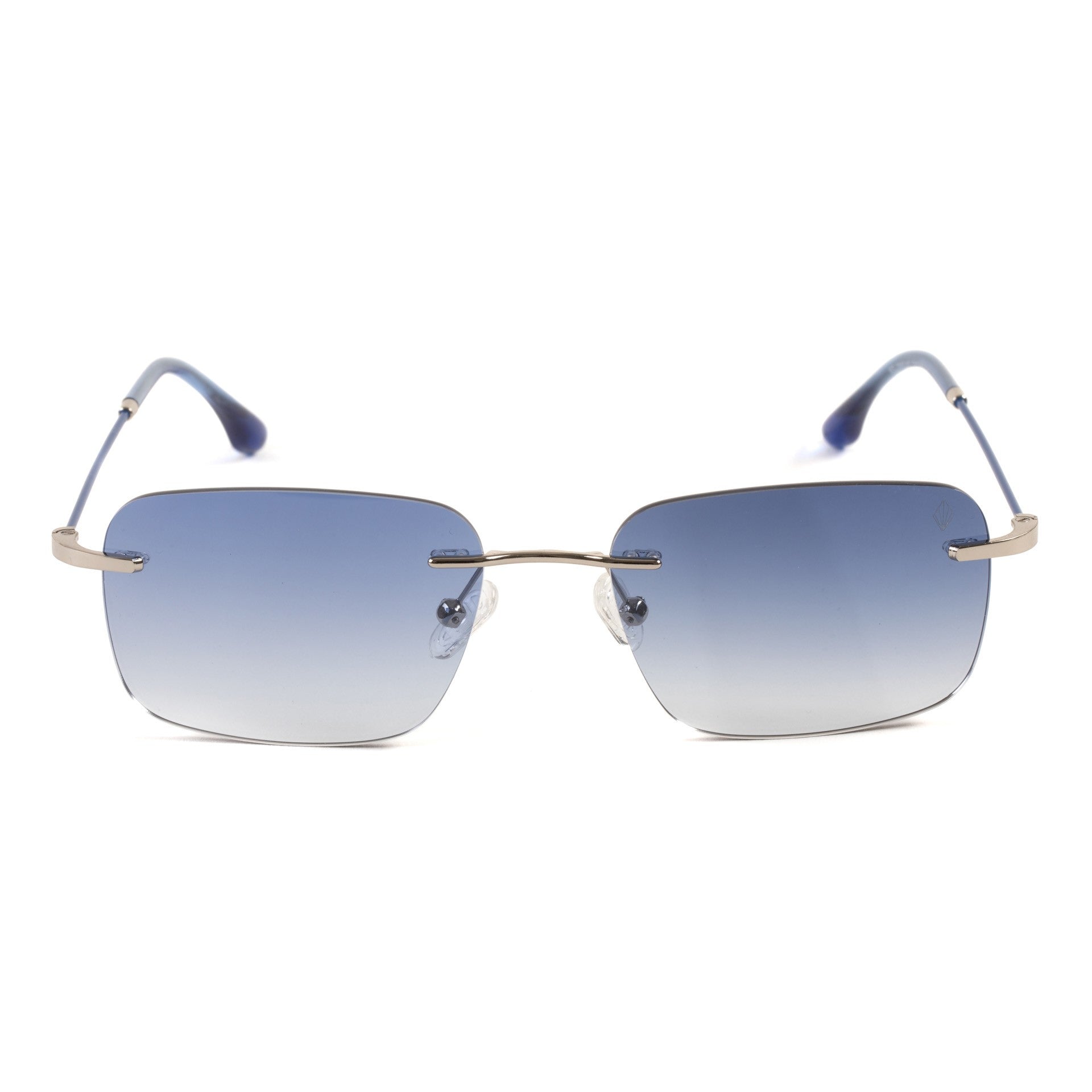
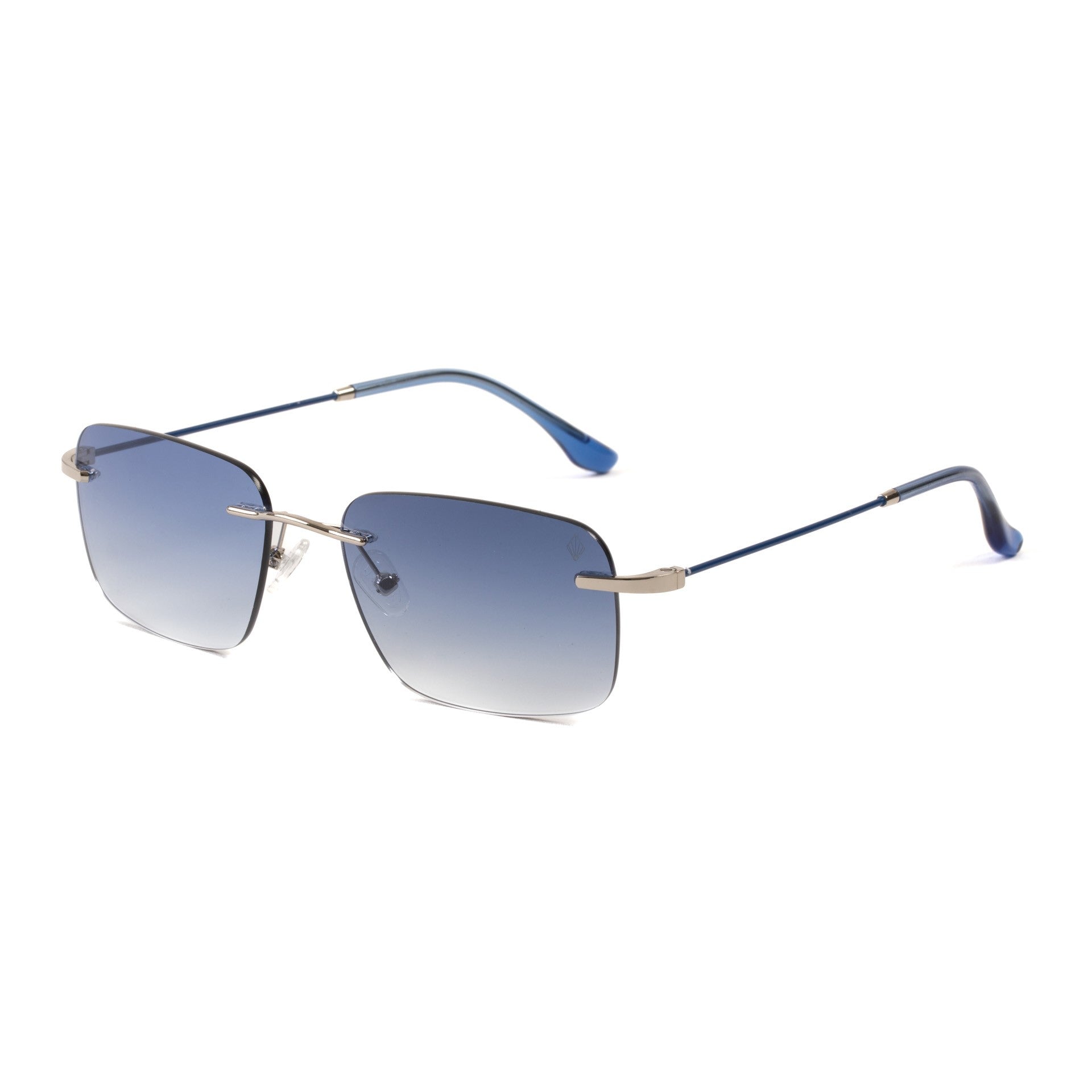
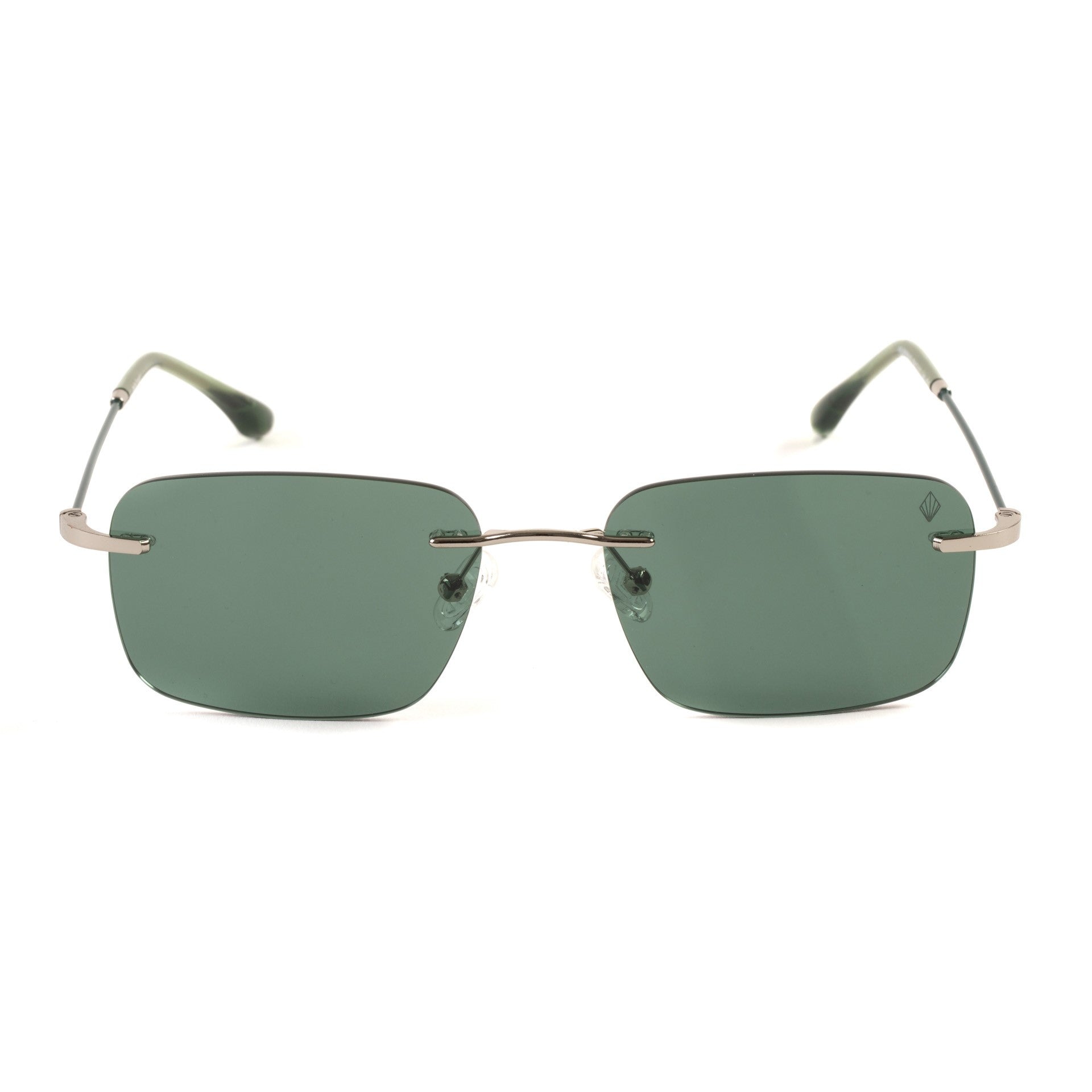
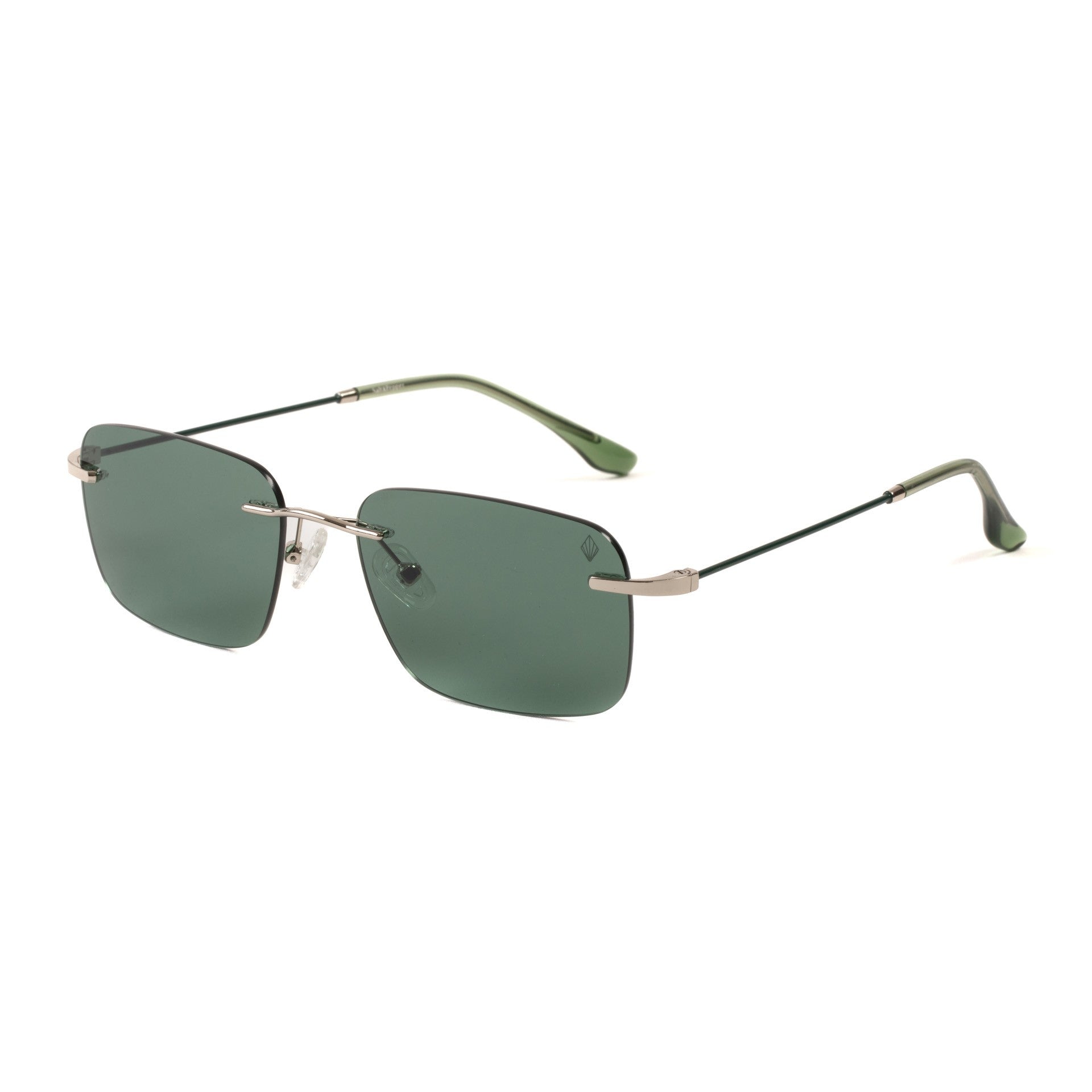
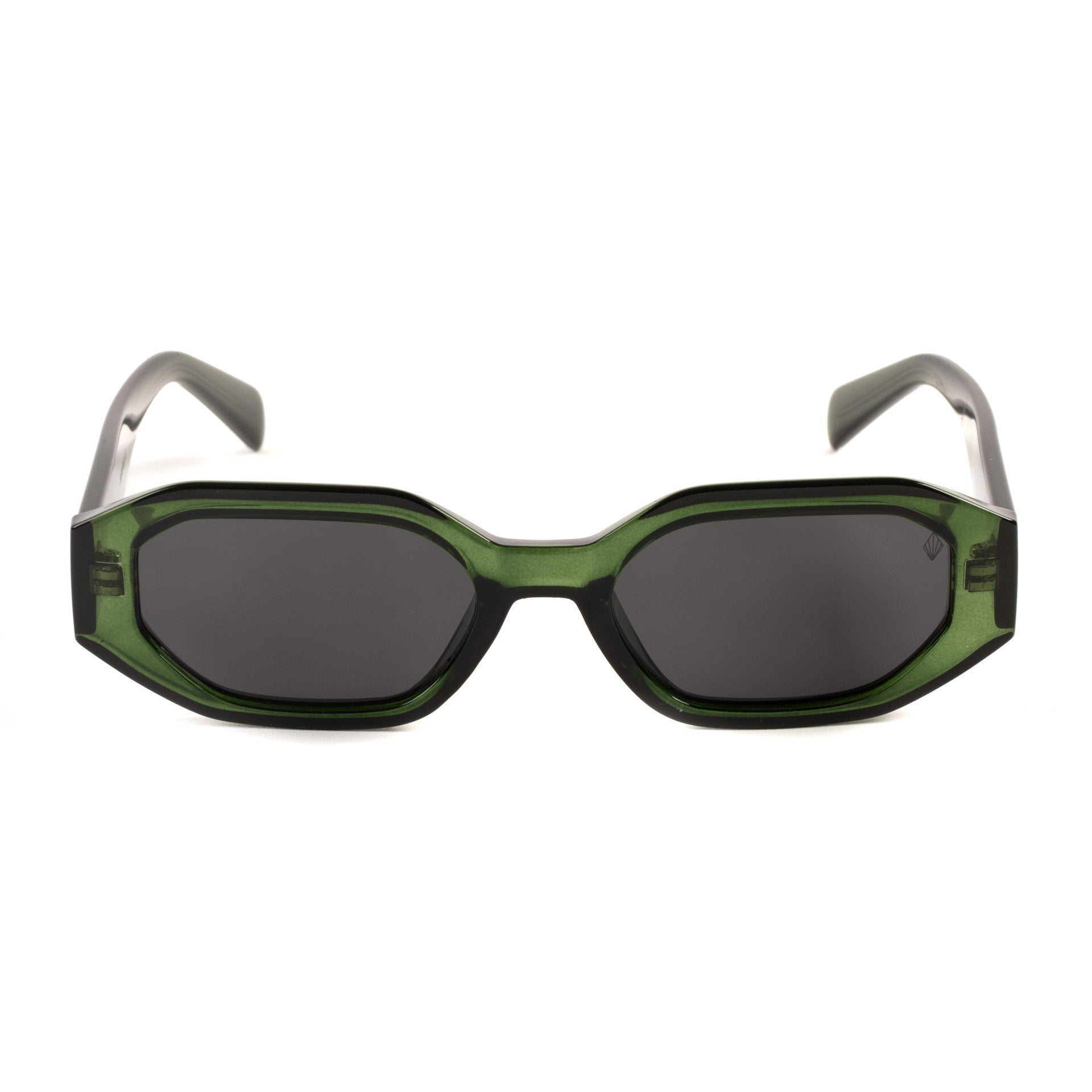
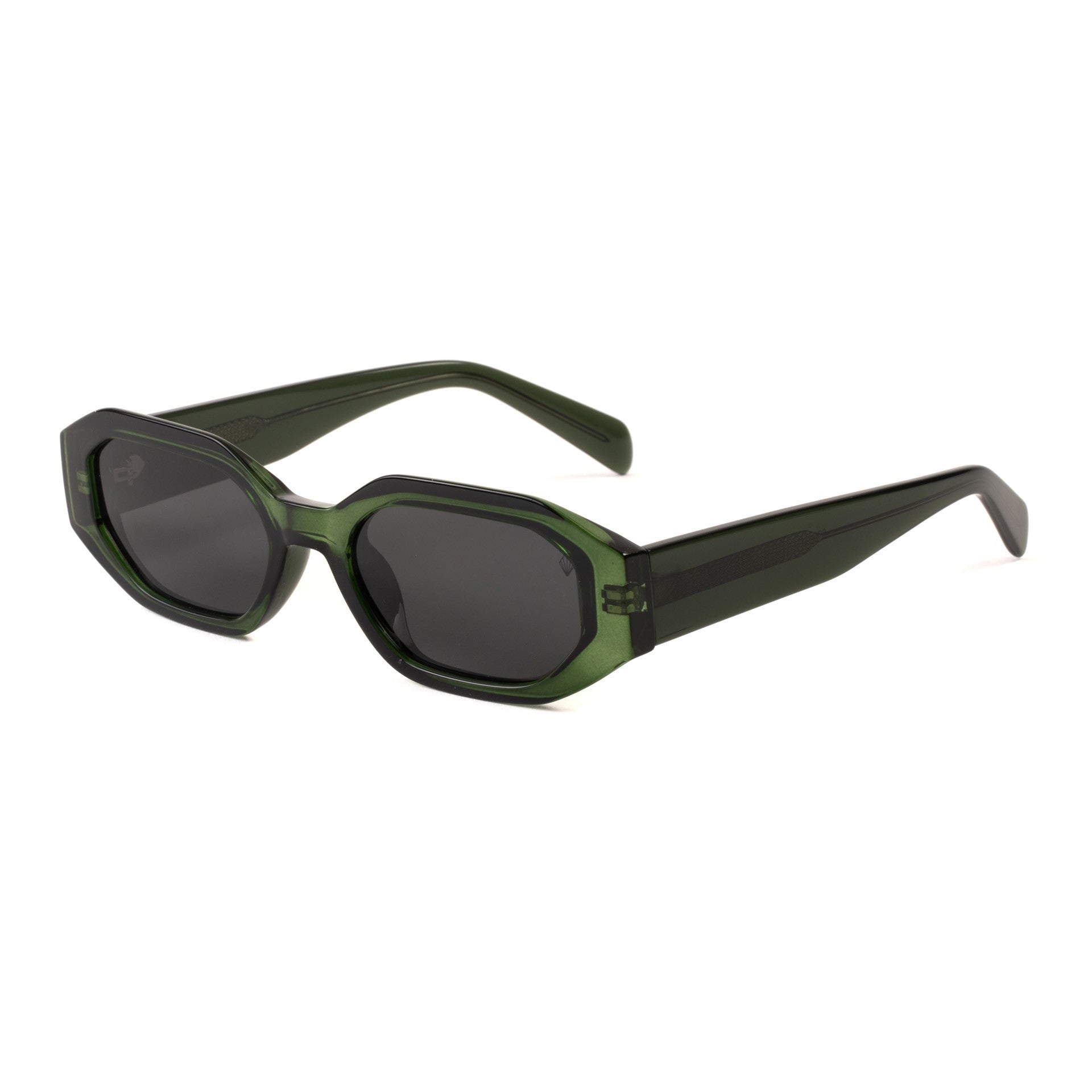
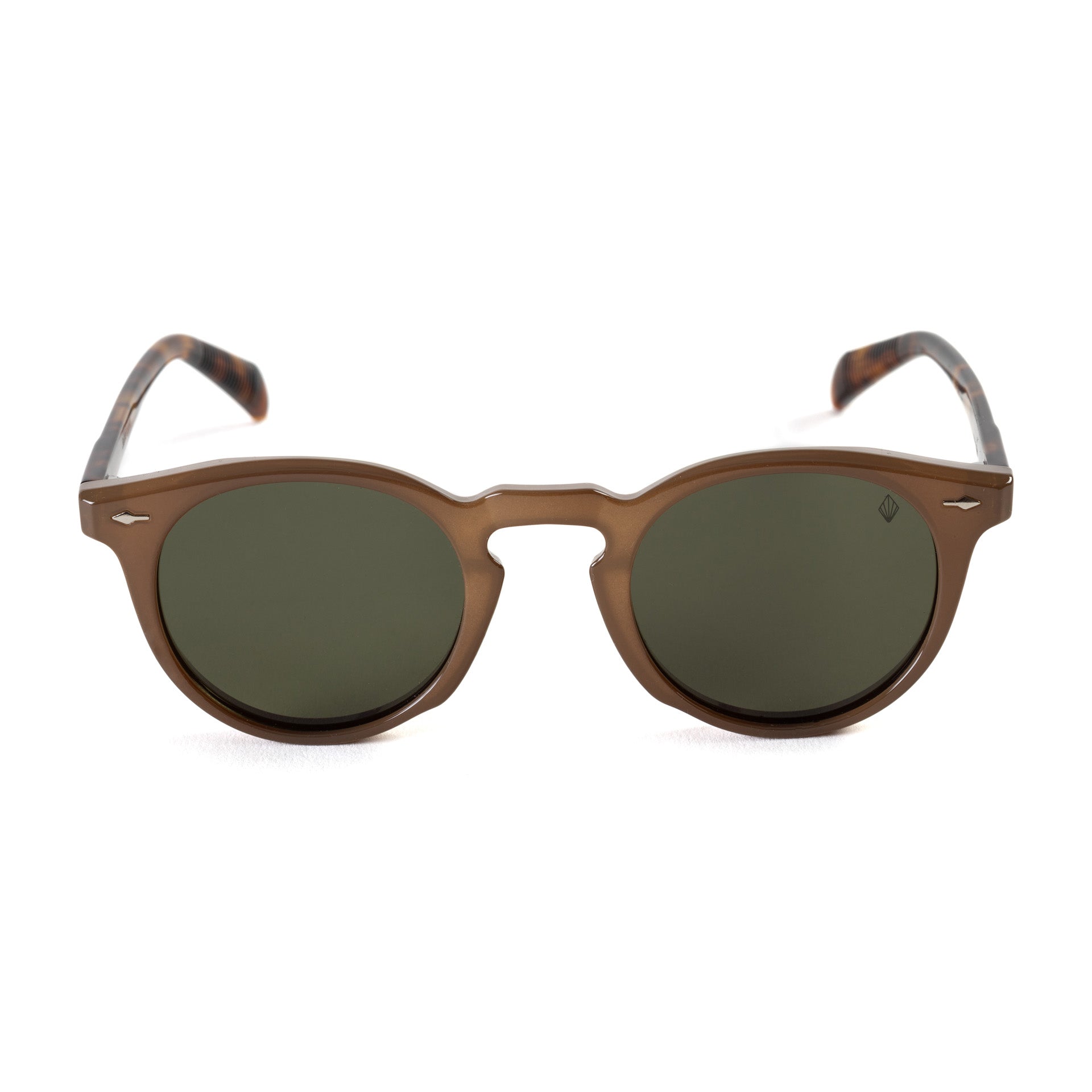
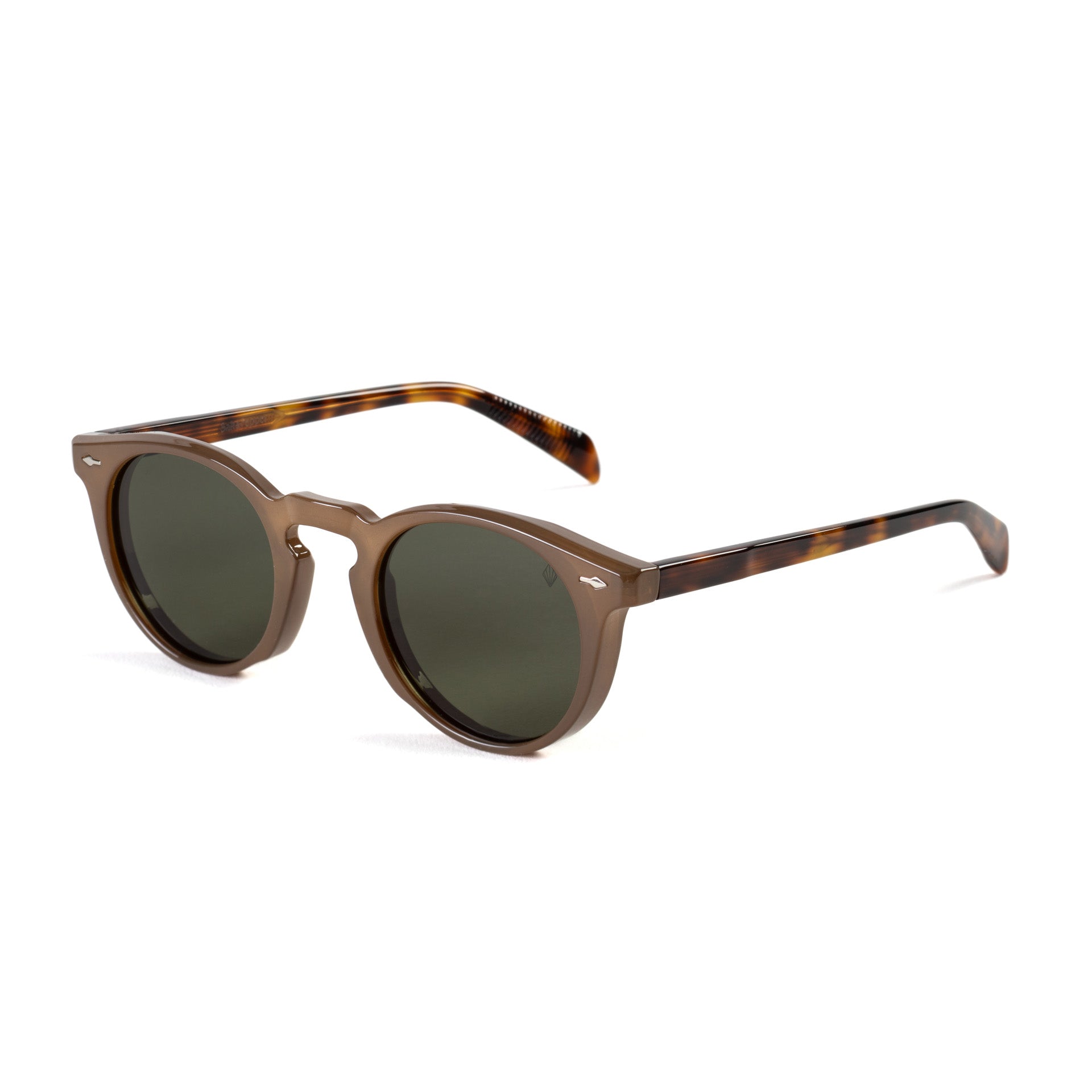
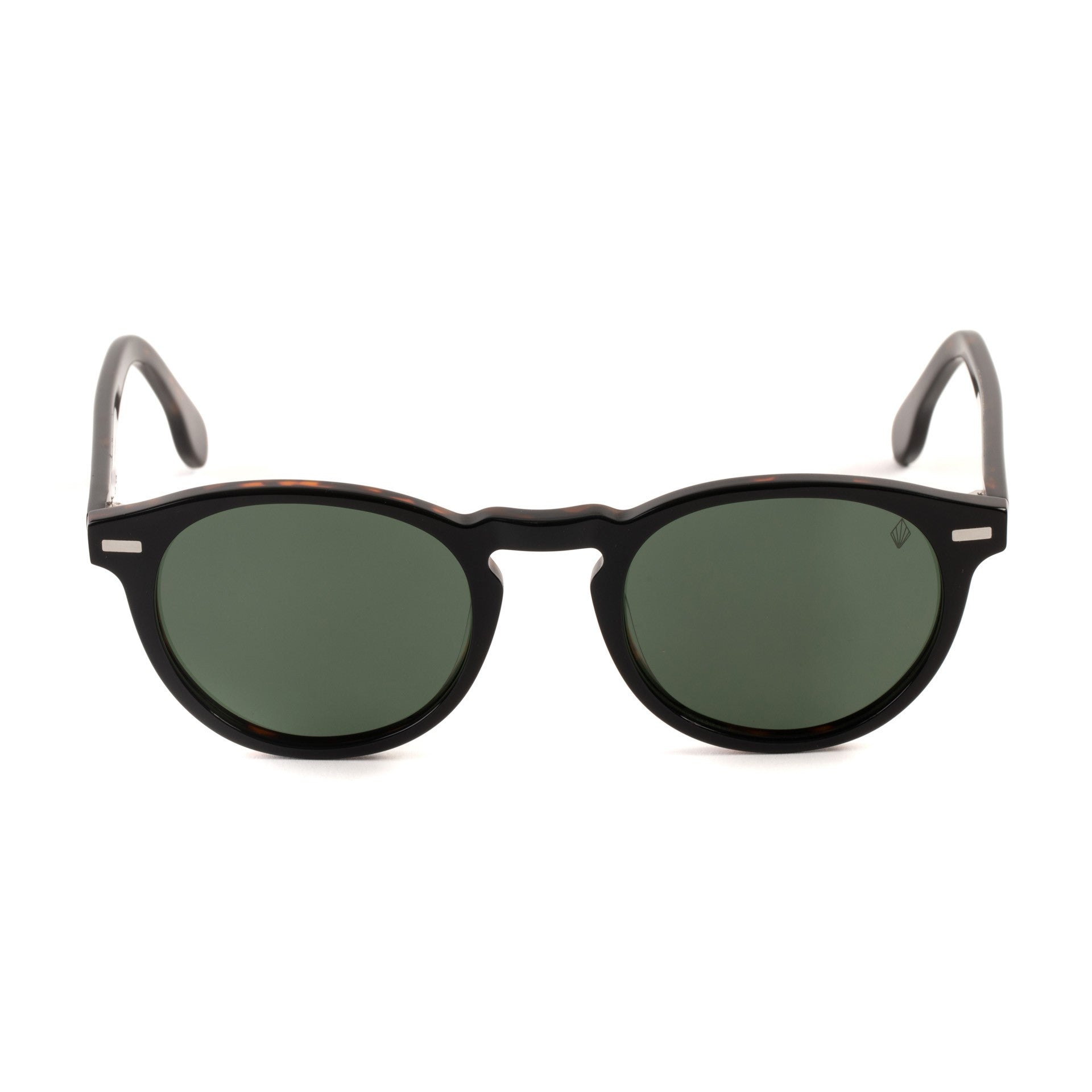
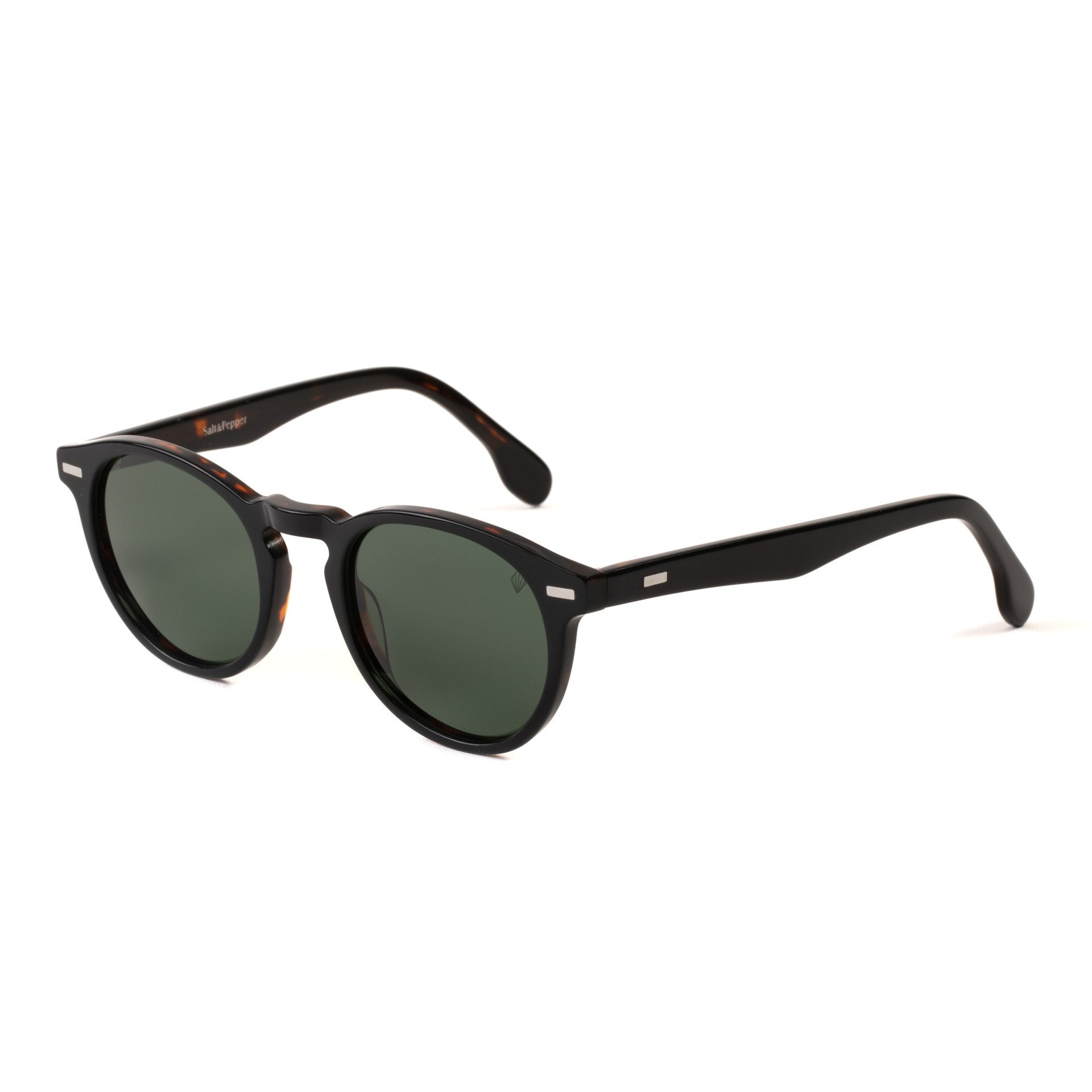
- Green: Balanced contrast with a classic look, suitable for many conditions.
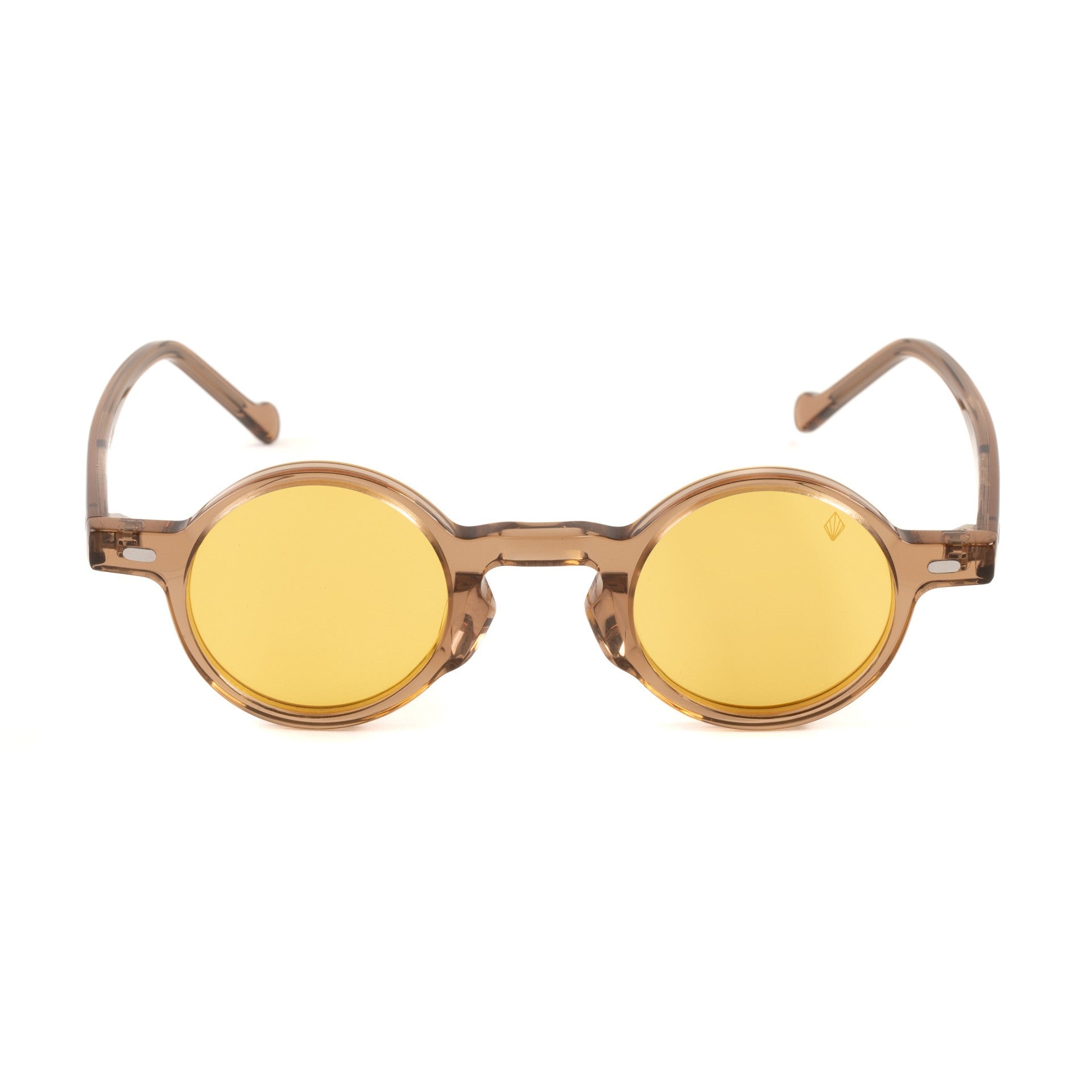
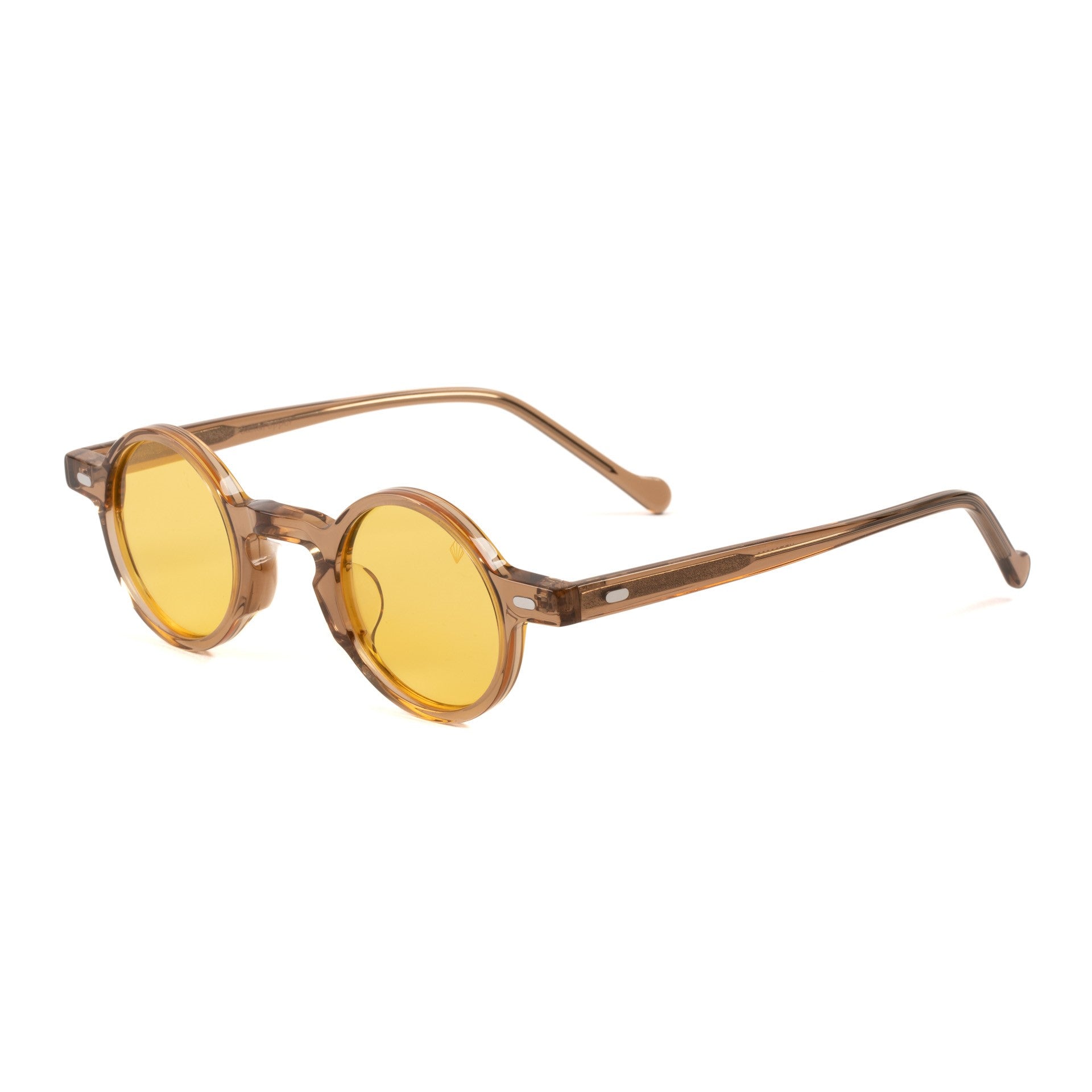
- Yellow/Amber: Brightens low-light scenes. Consider with care for driving; very light tints are usually better for overcast, not bright midday sun.
If you are seeking the best polarized sunglasses for driving, gray or brown are often appreciated for their natural view and comfortable contrast on the road.
Check Lens Material and Coatings
Polarized lenses are typically made from high-quality plastics or polycarbonate. Light, durable materials are pleasant for everyday wear. Coatings matter as well:
- Scratch-resistant coatings: Help preserve clarity over time.
- Hydrophobic/oleophobic coatings: Make it easier to clean water spots and smudges.
- Anti-reflective back coatings: Reduce reflections from light entering behind the lens.
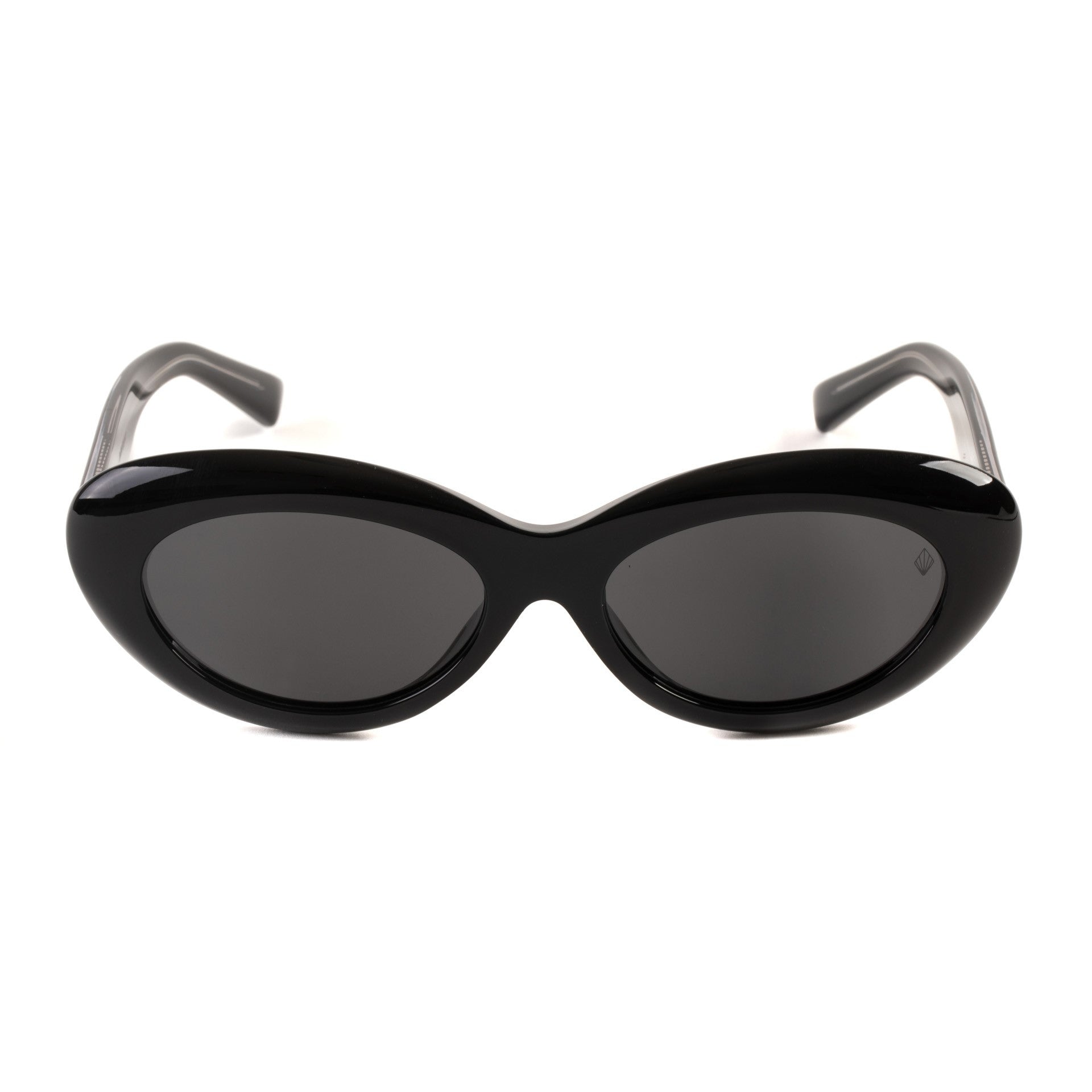
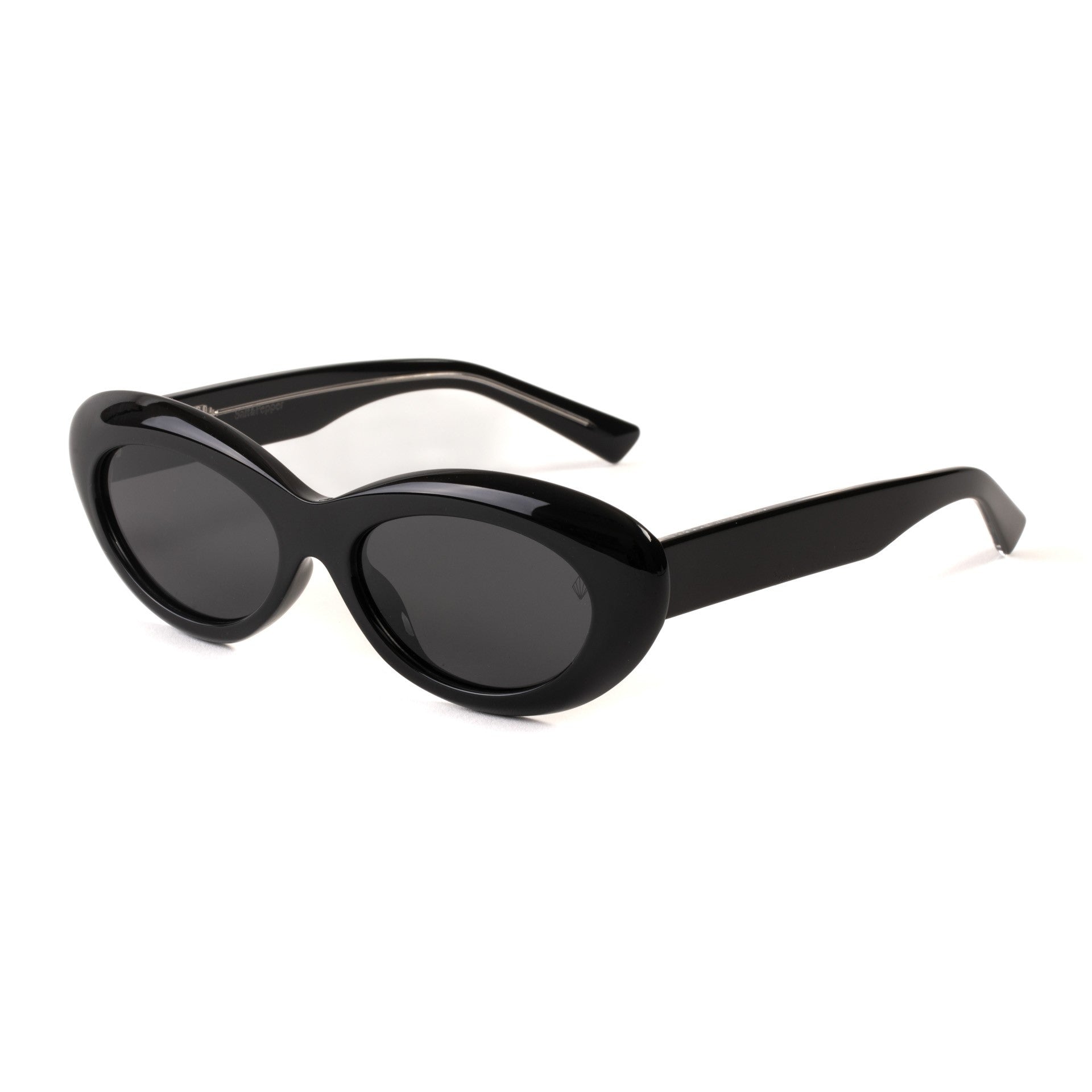
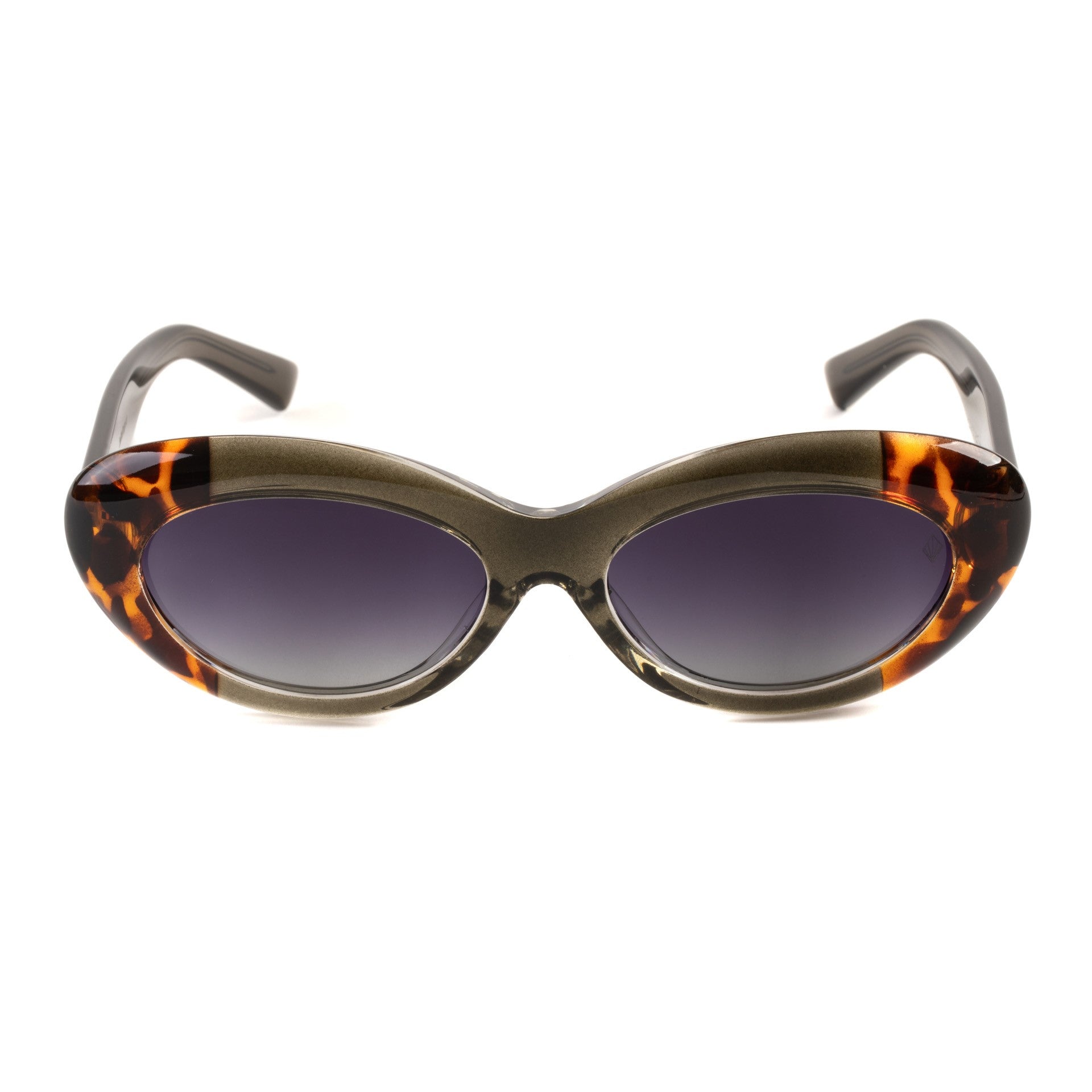
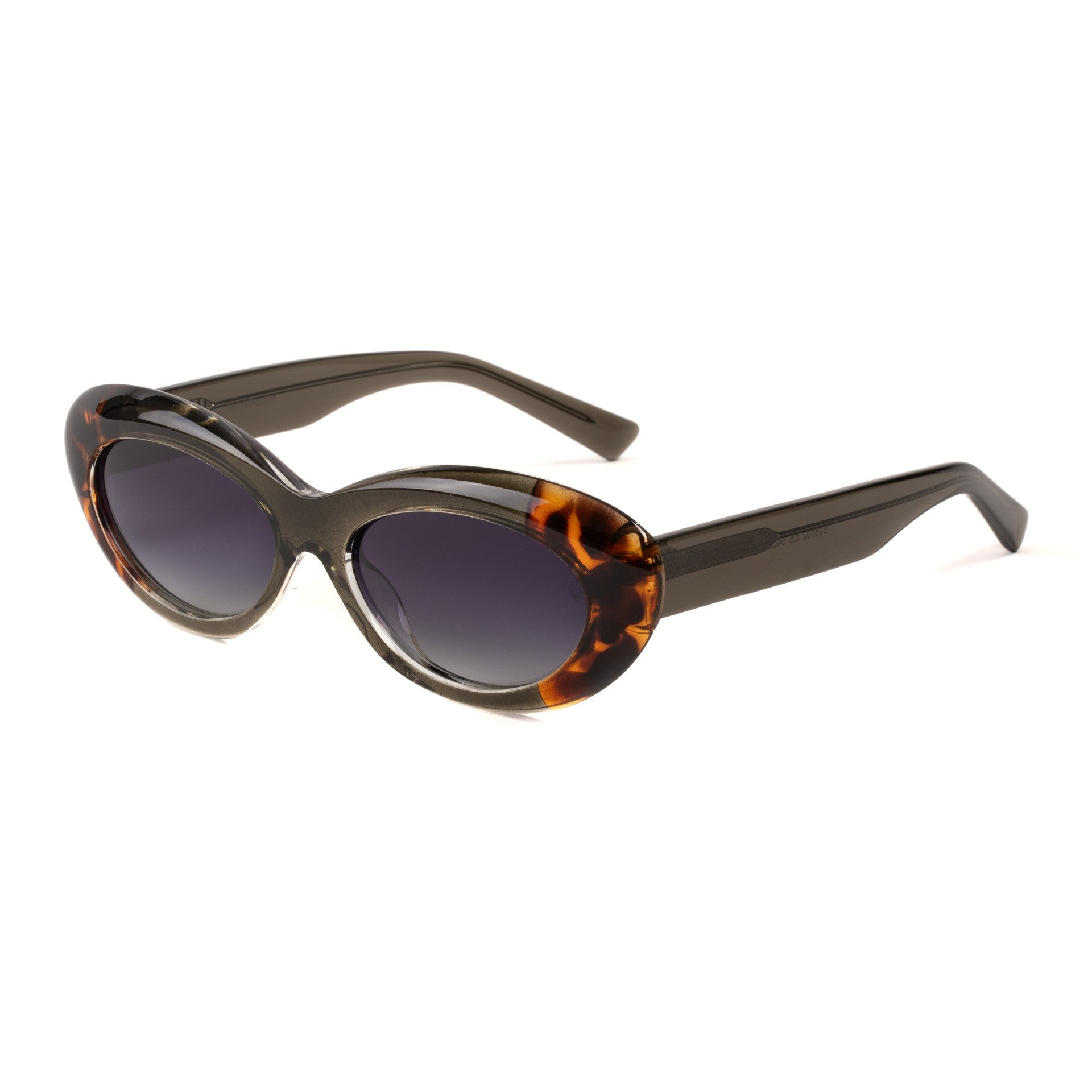
When browsing women’s polarized sunglasses online, lens quality and the right coatings can make a meaningful difference in comfort and durability.
Choose Frame Size and Fit
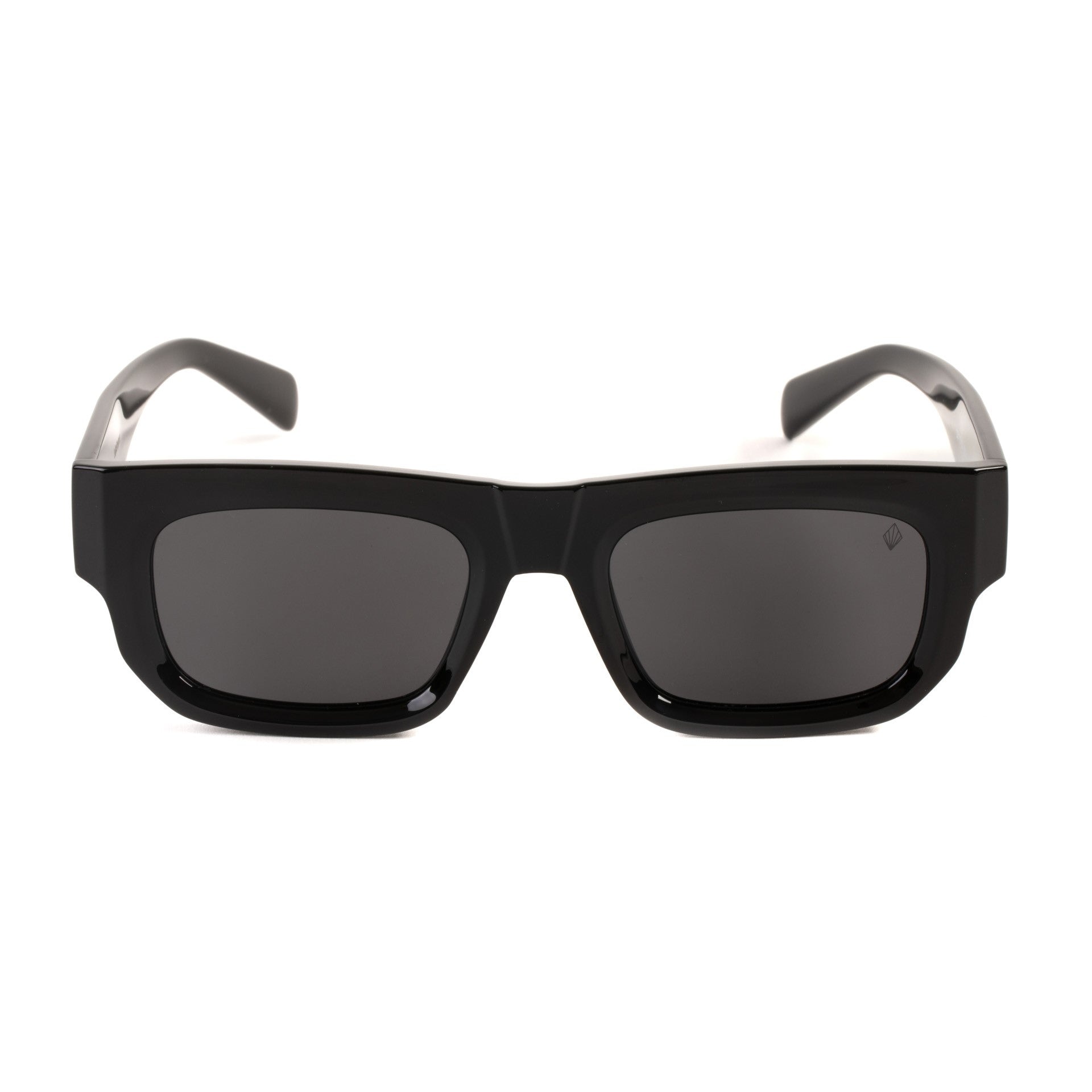
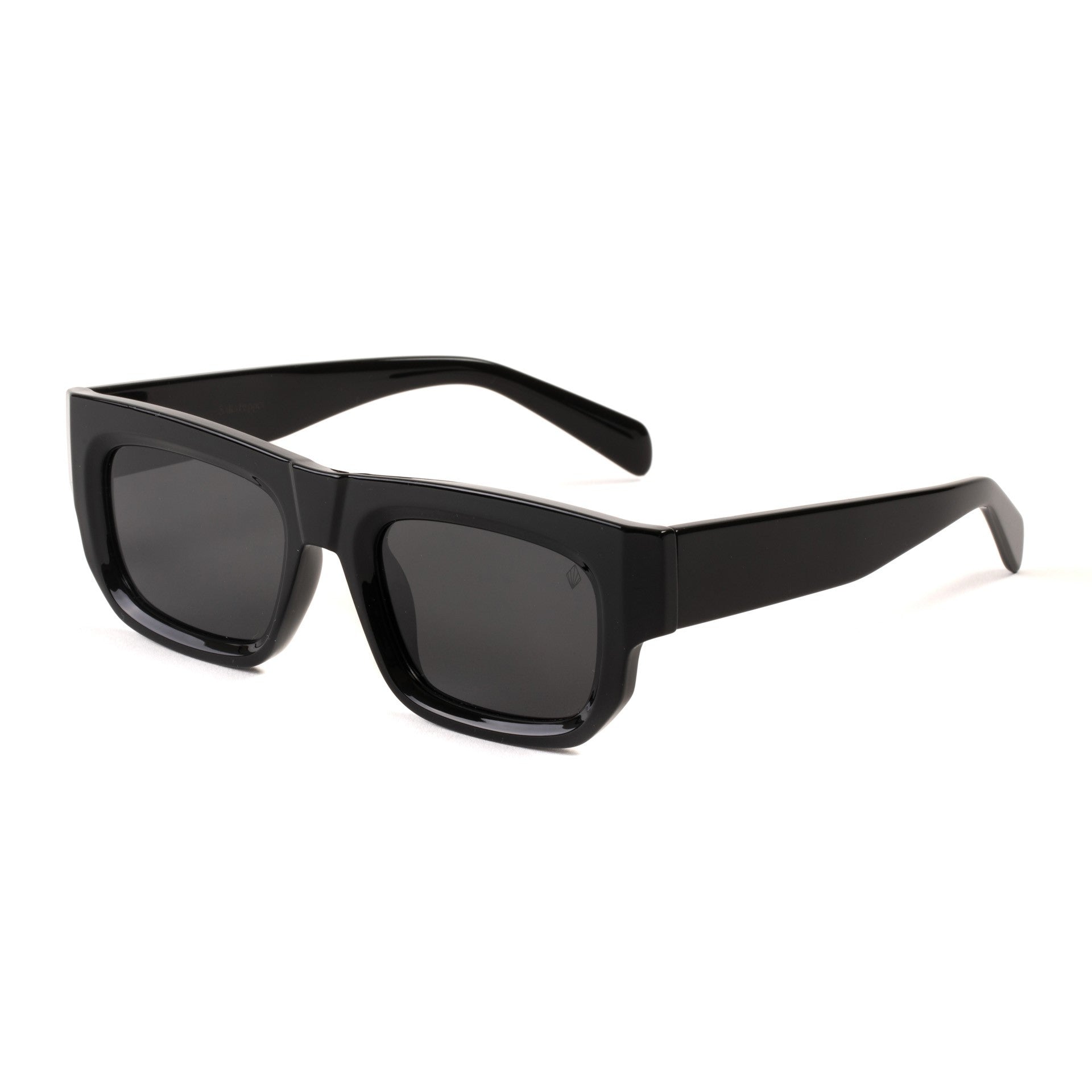
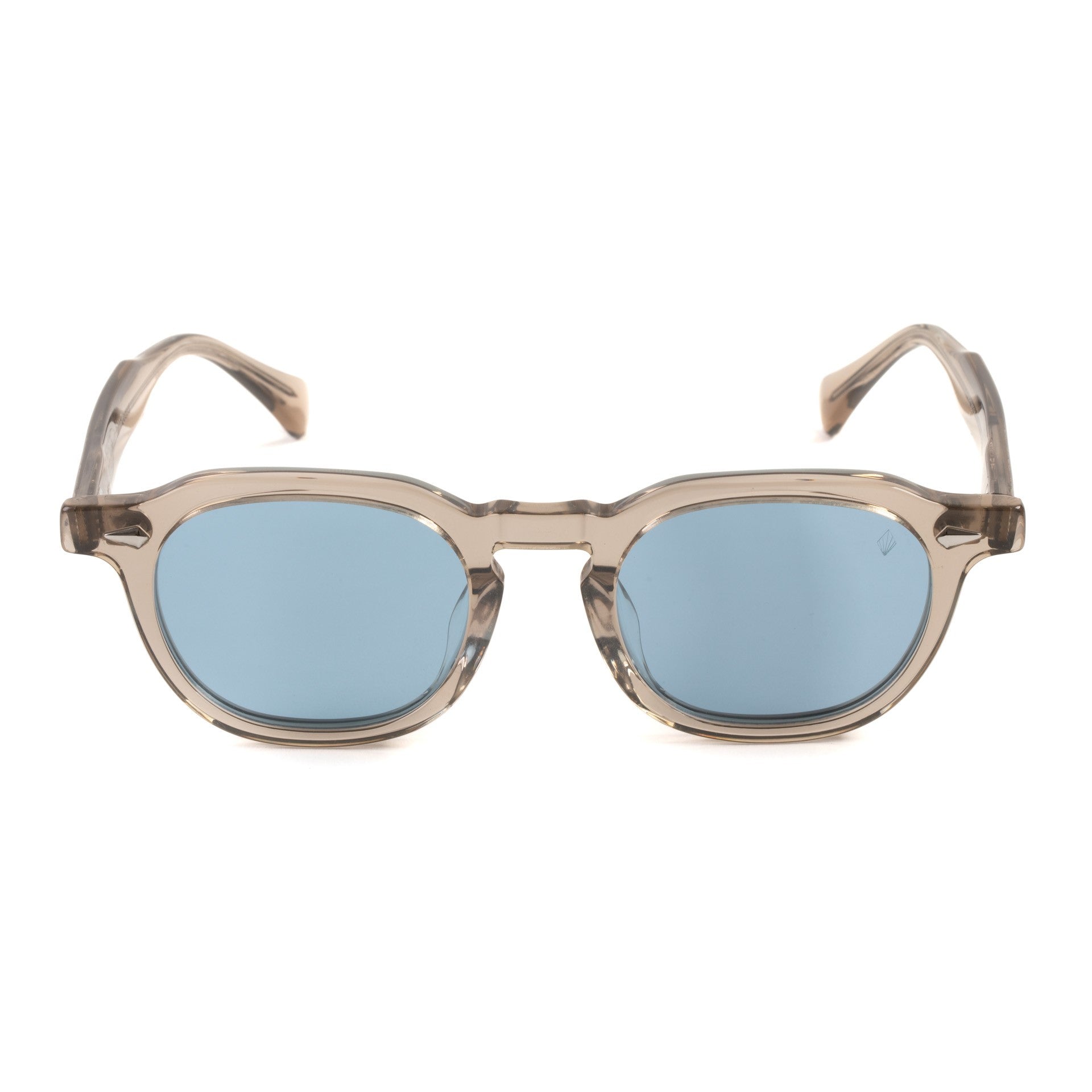
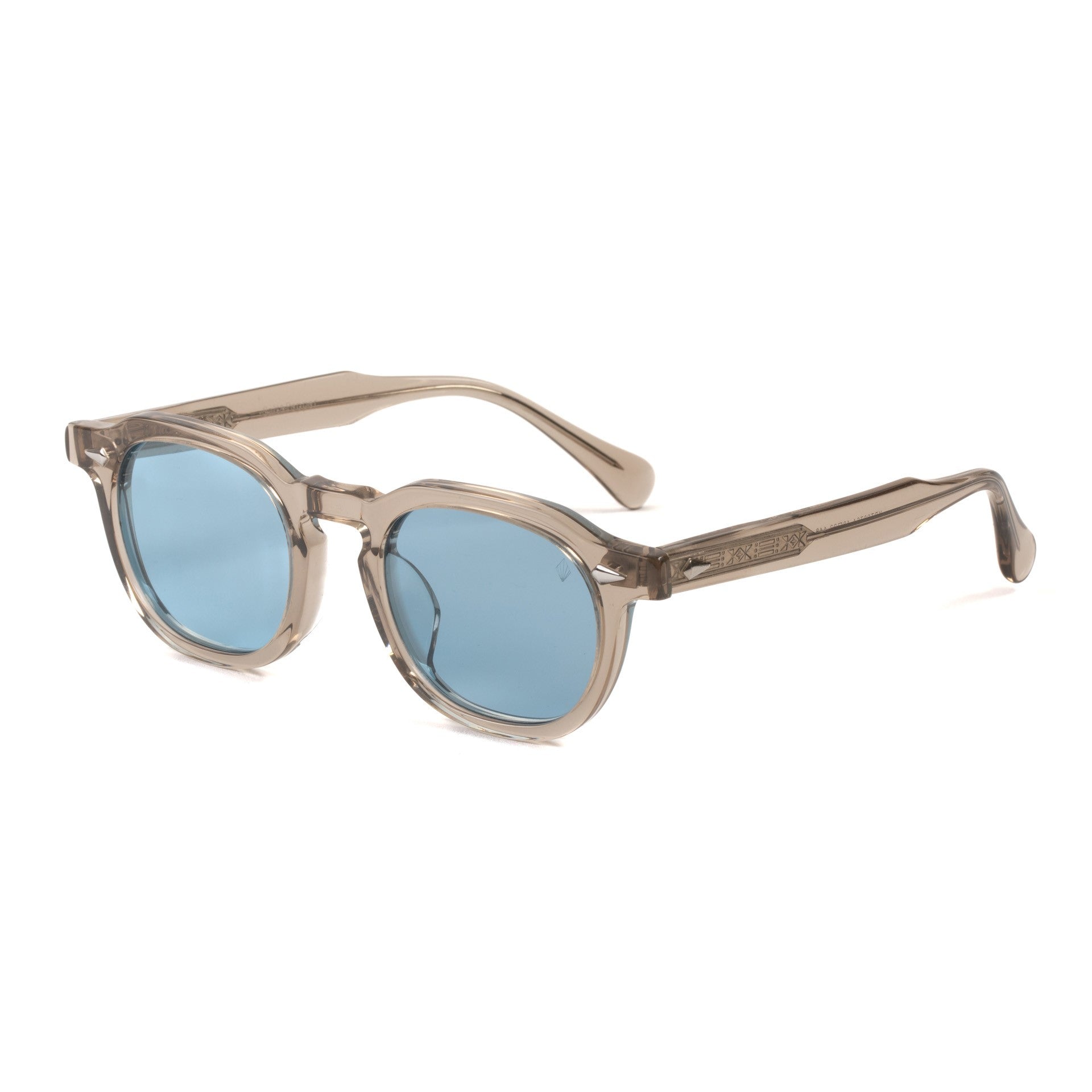
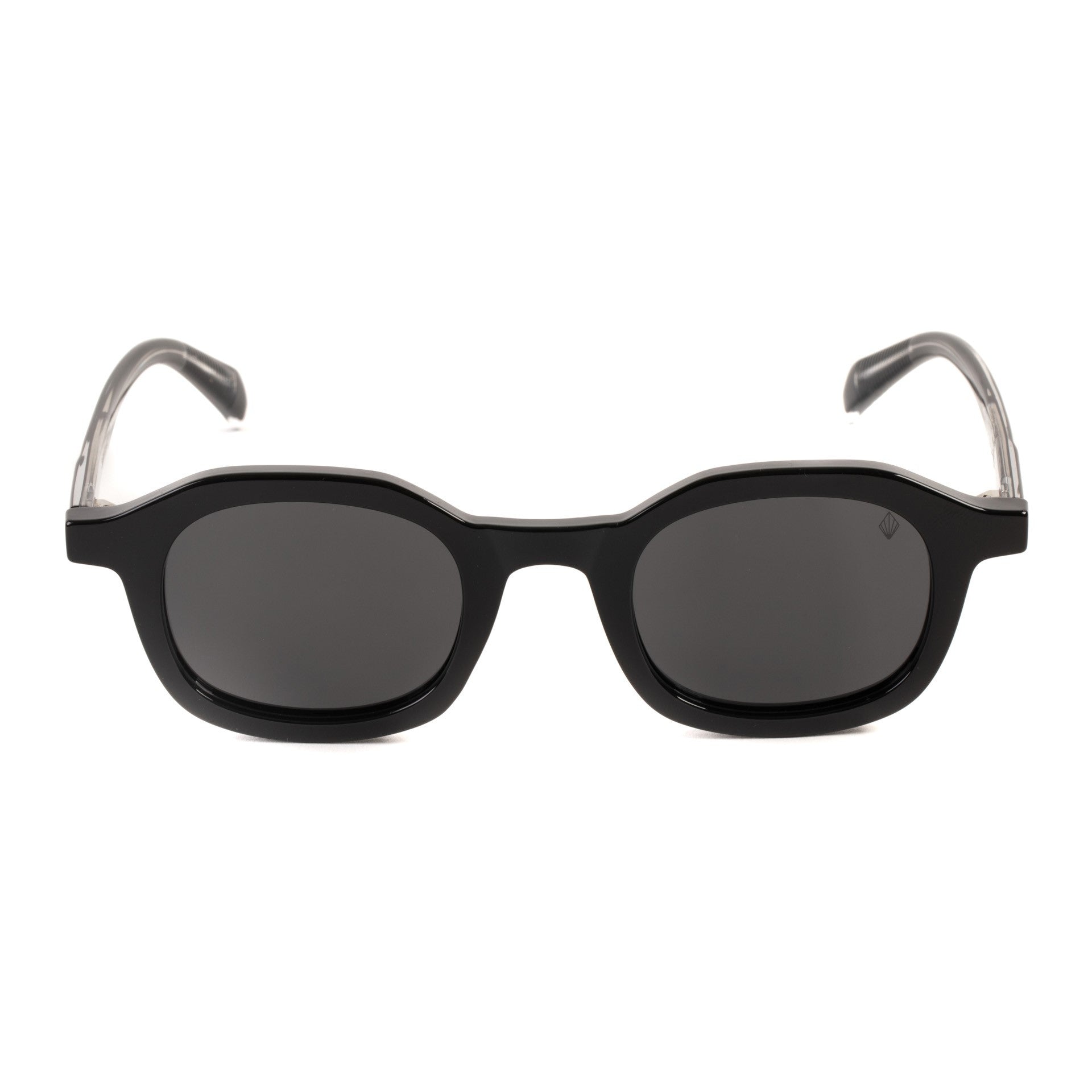
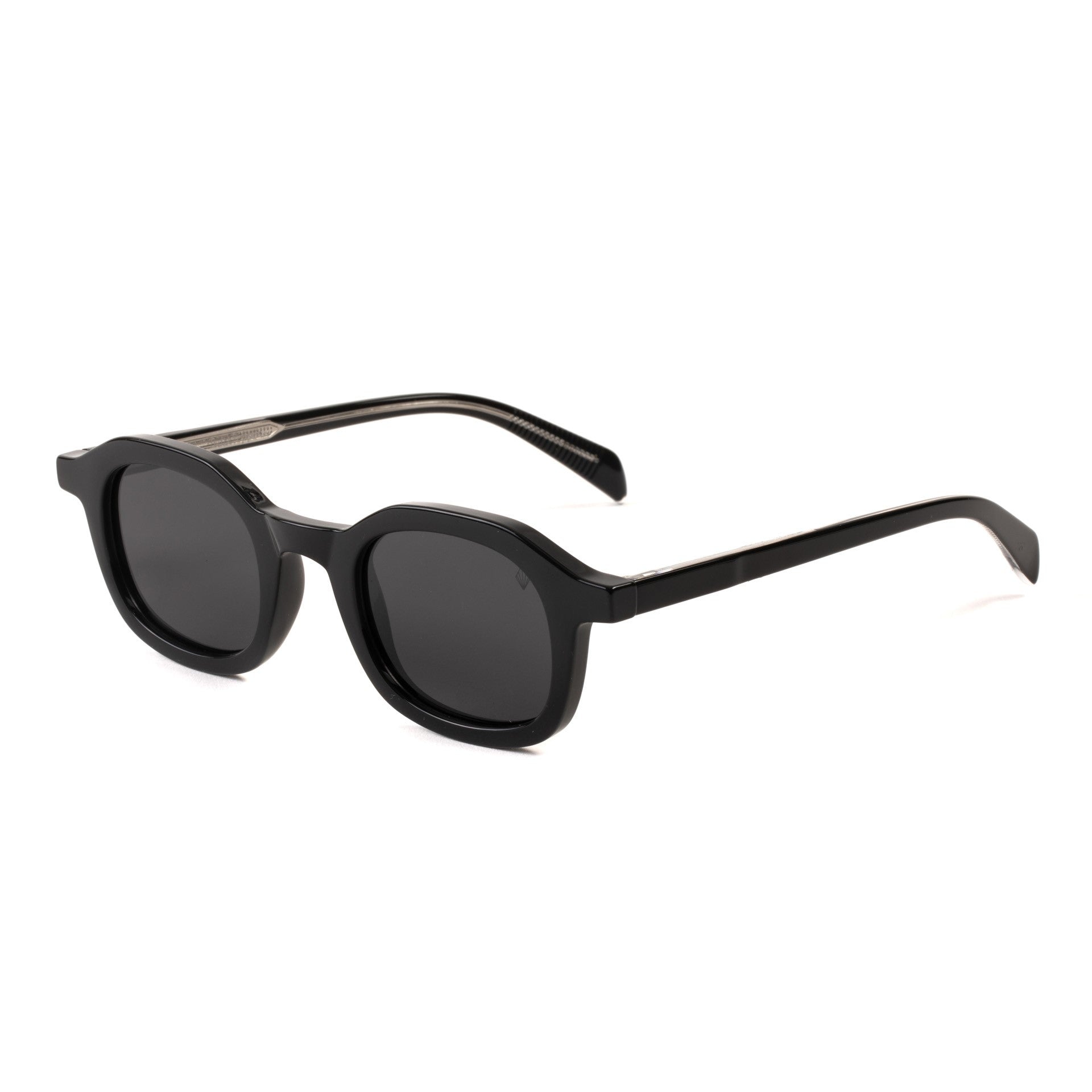
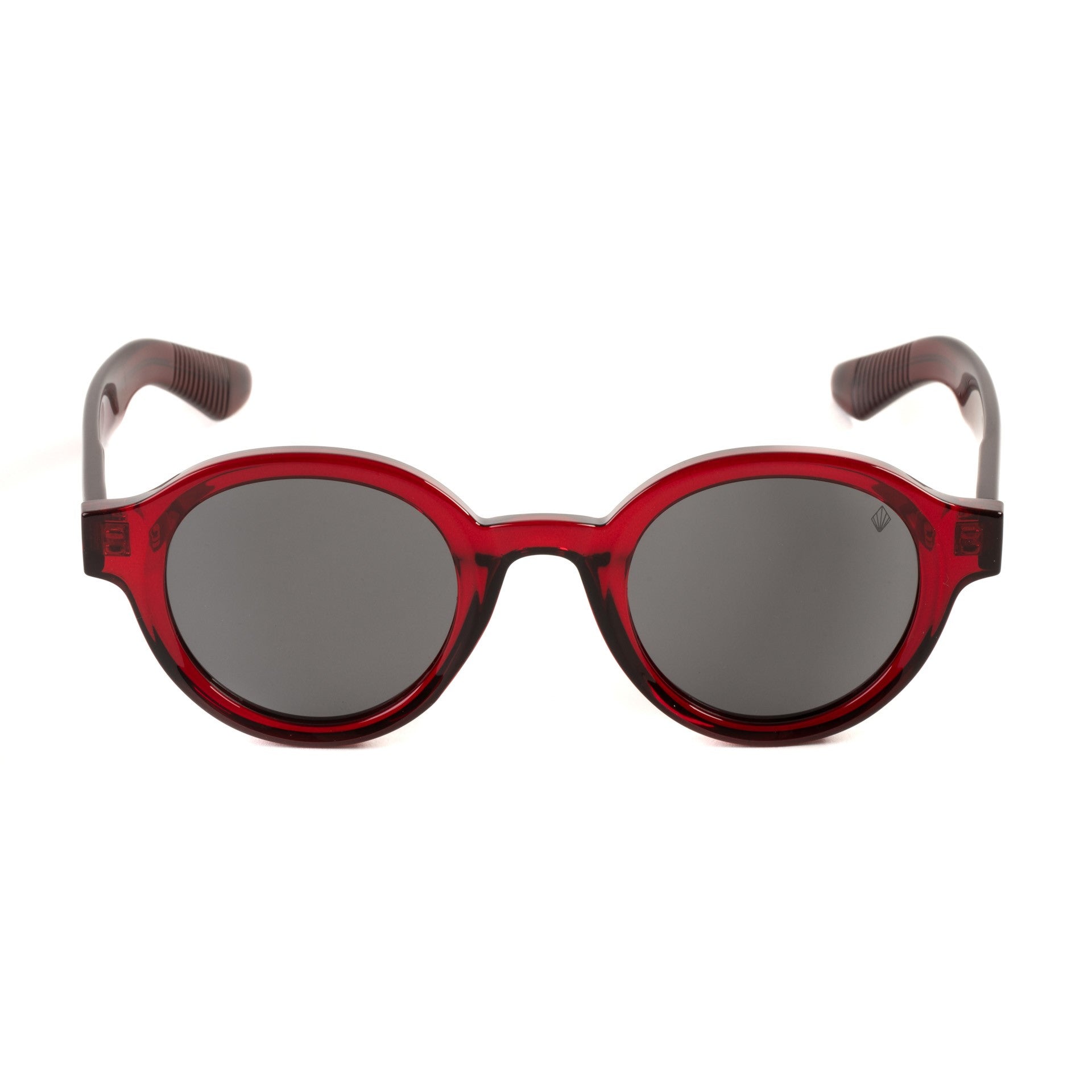
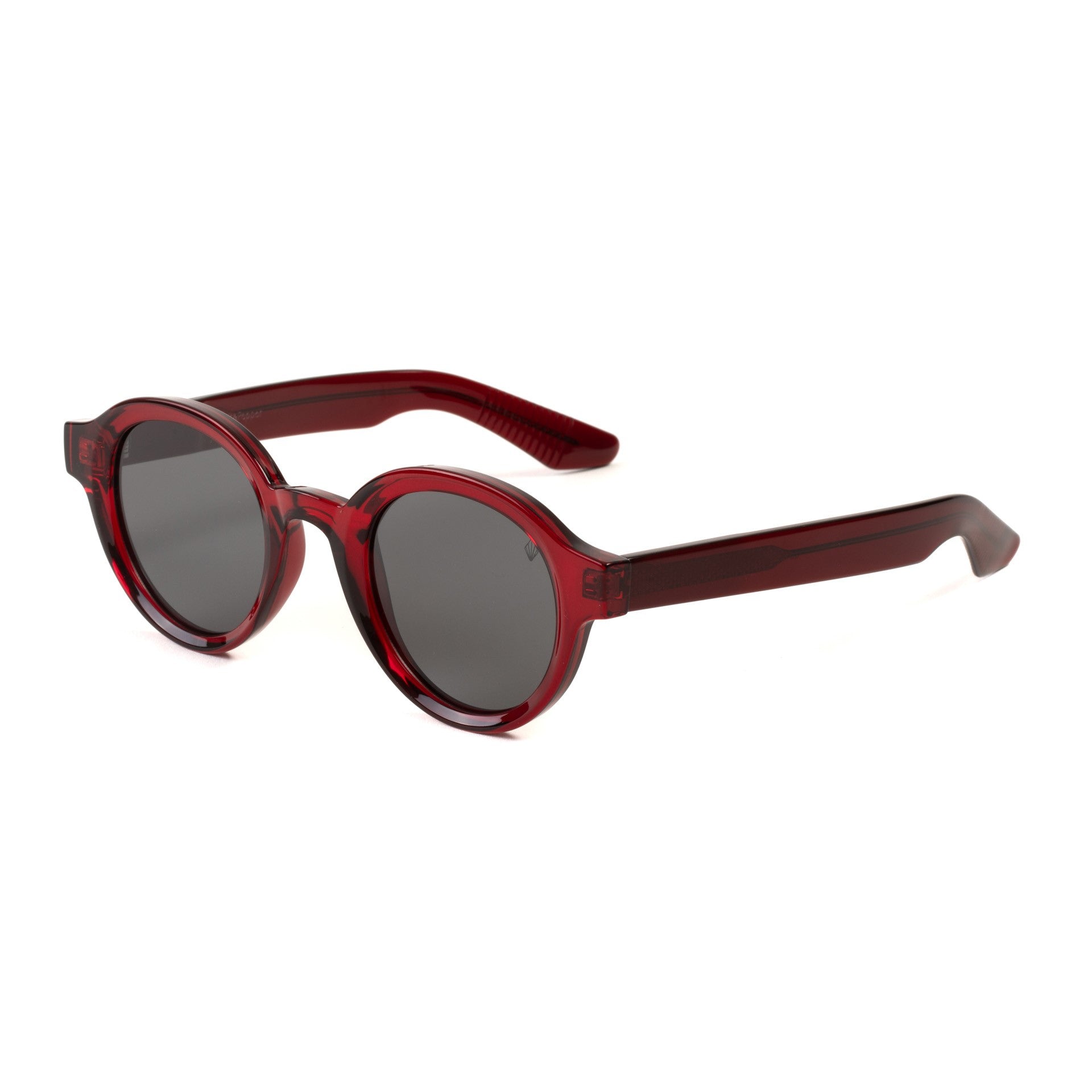
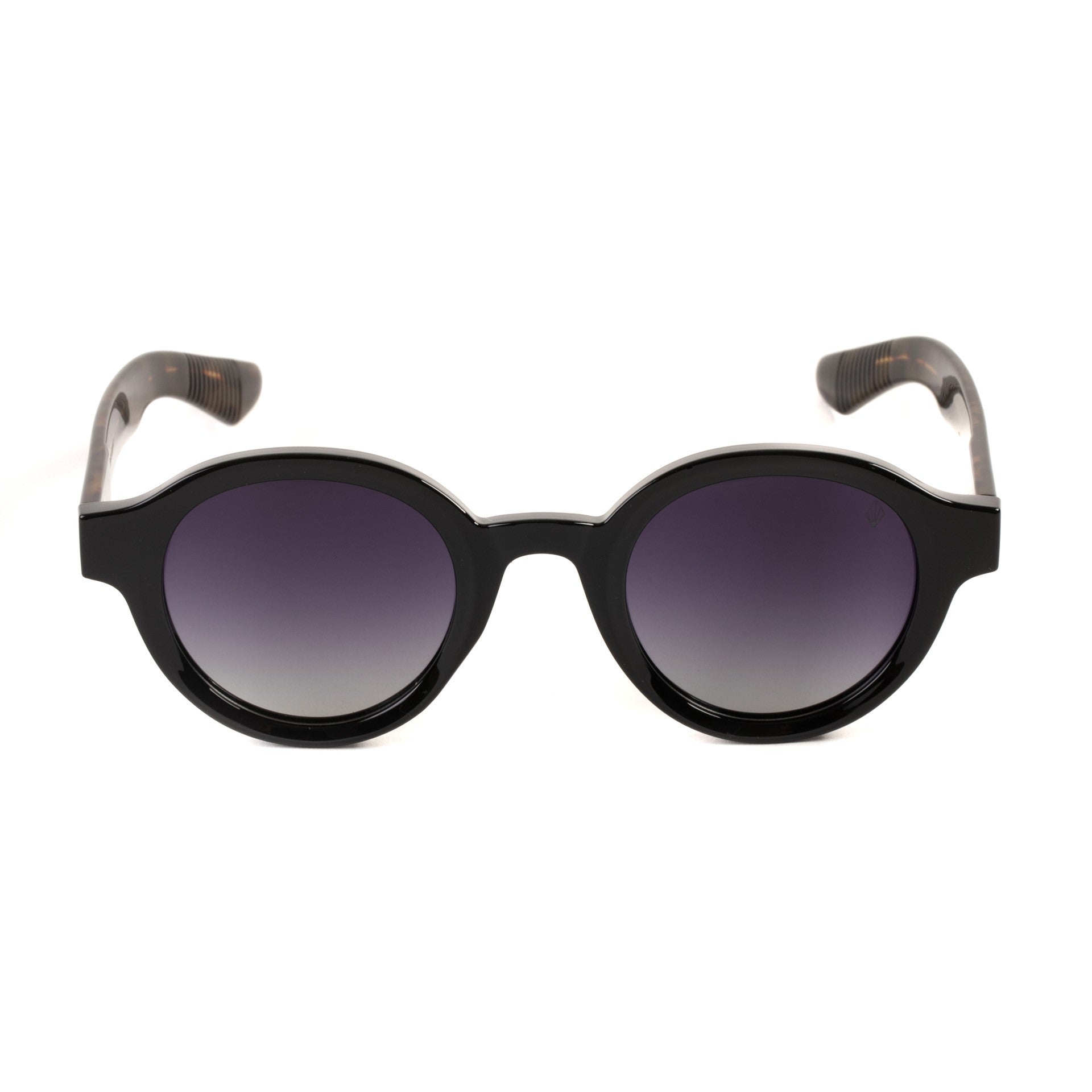
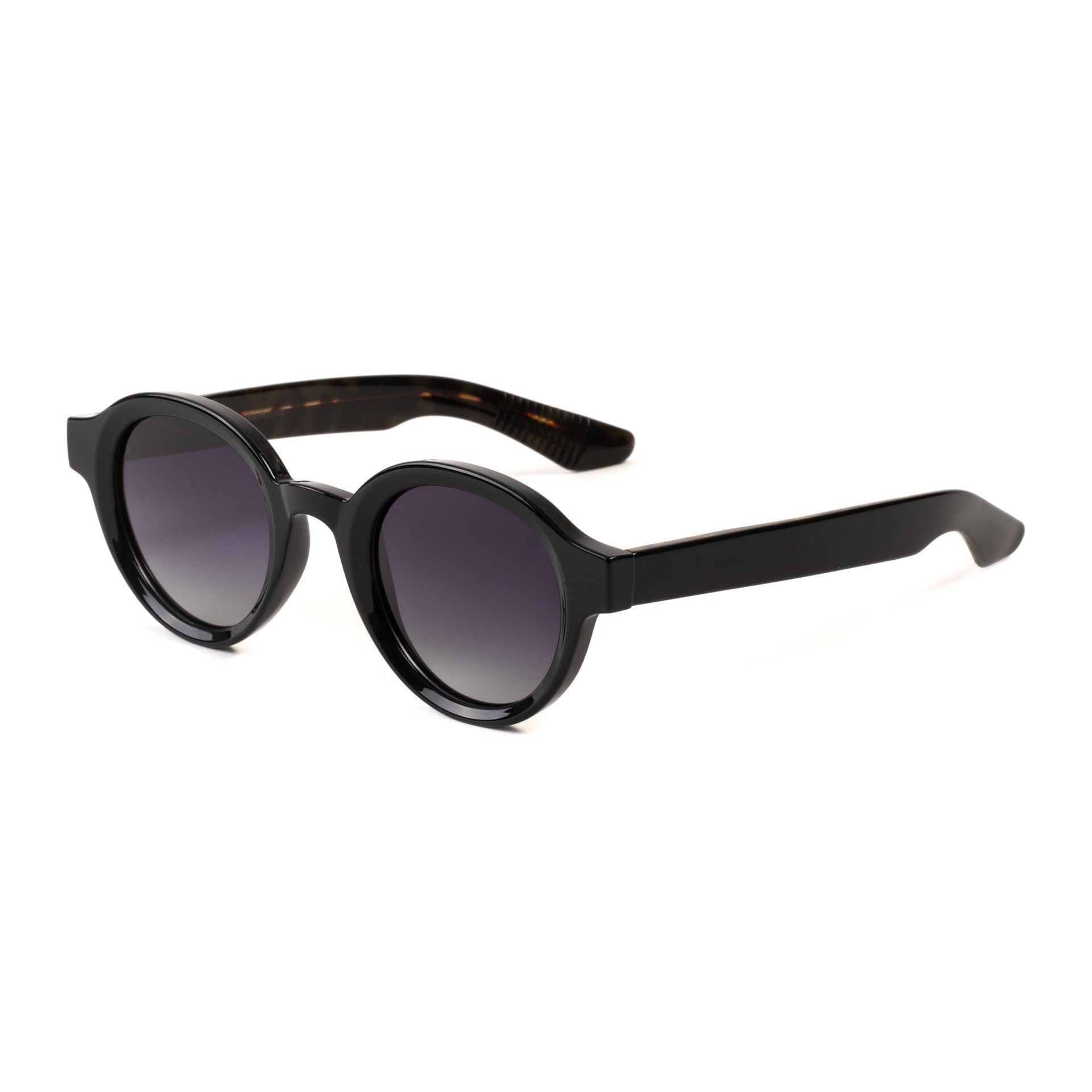
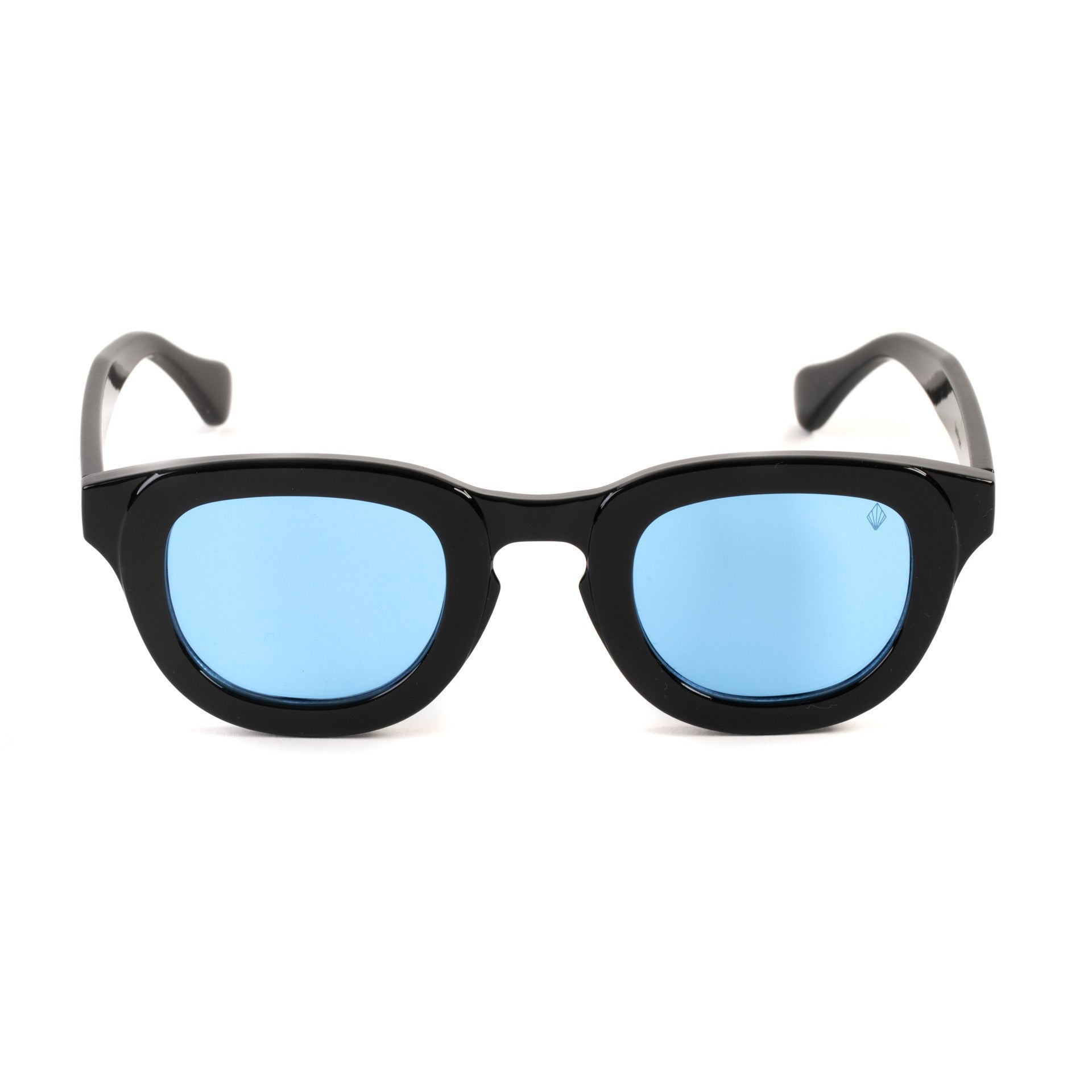
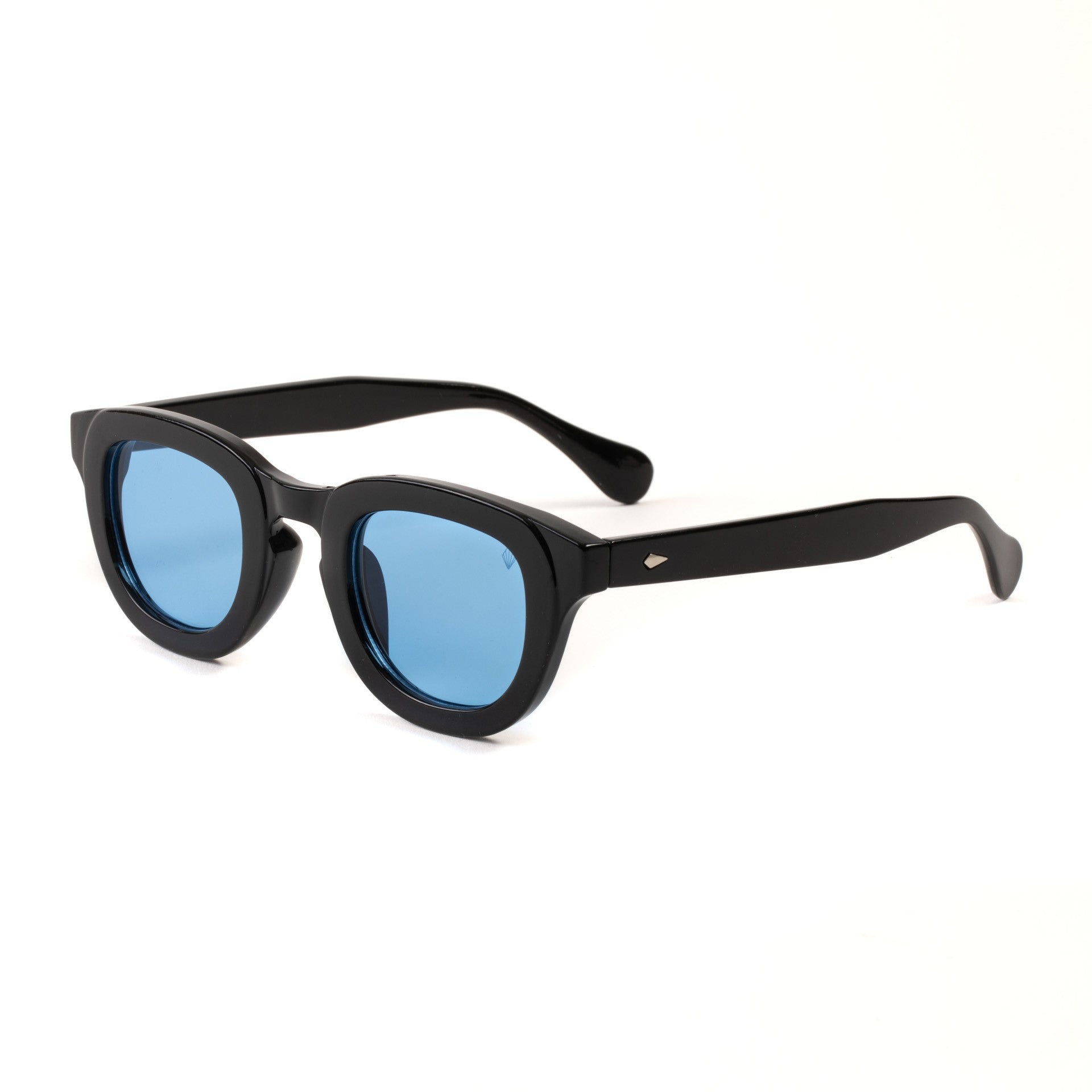
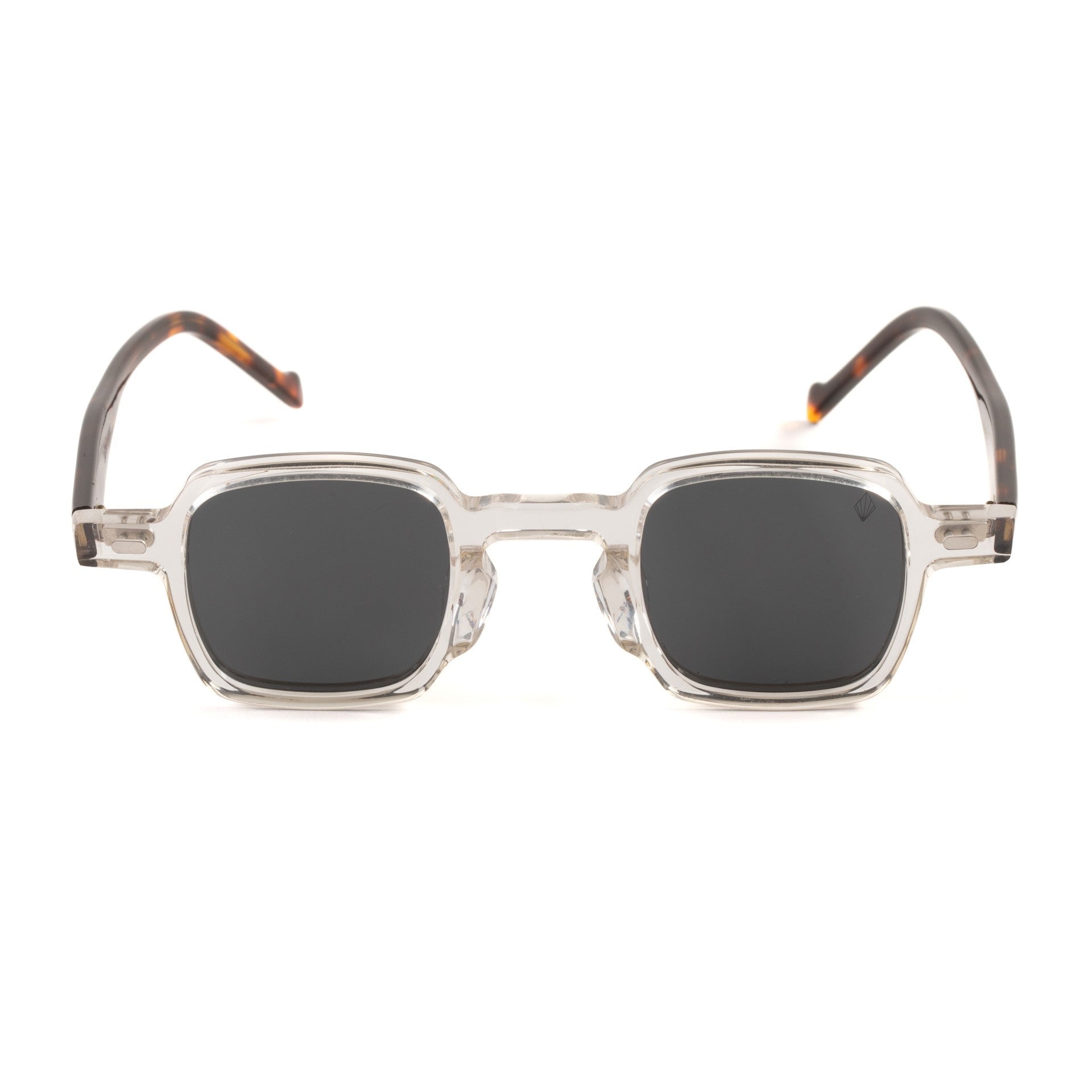
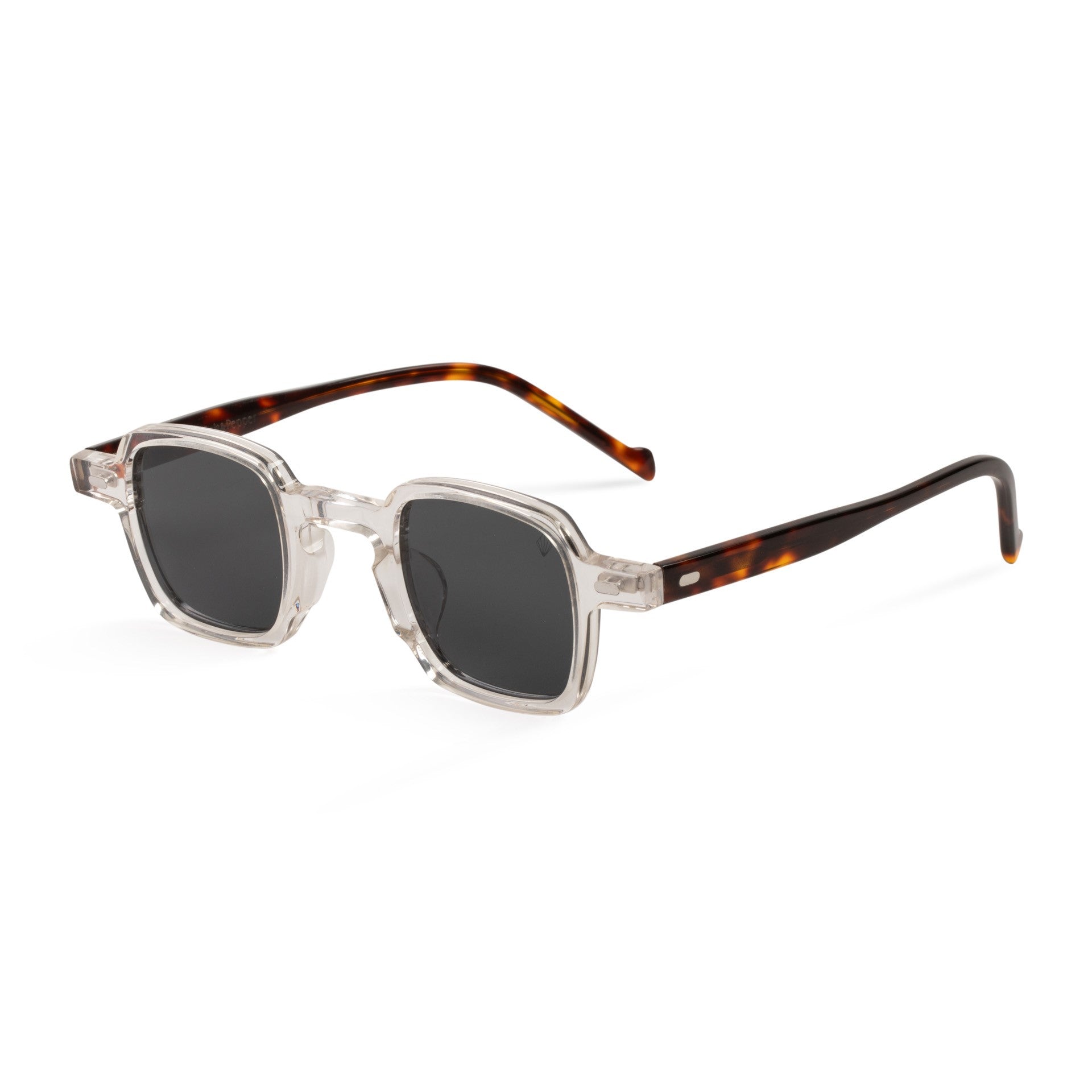
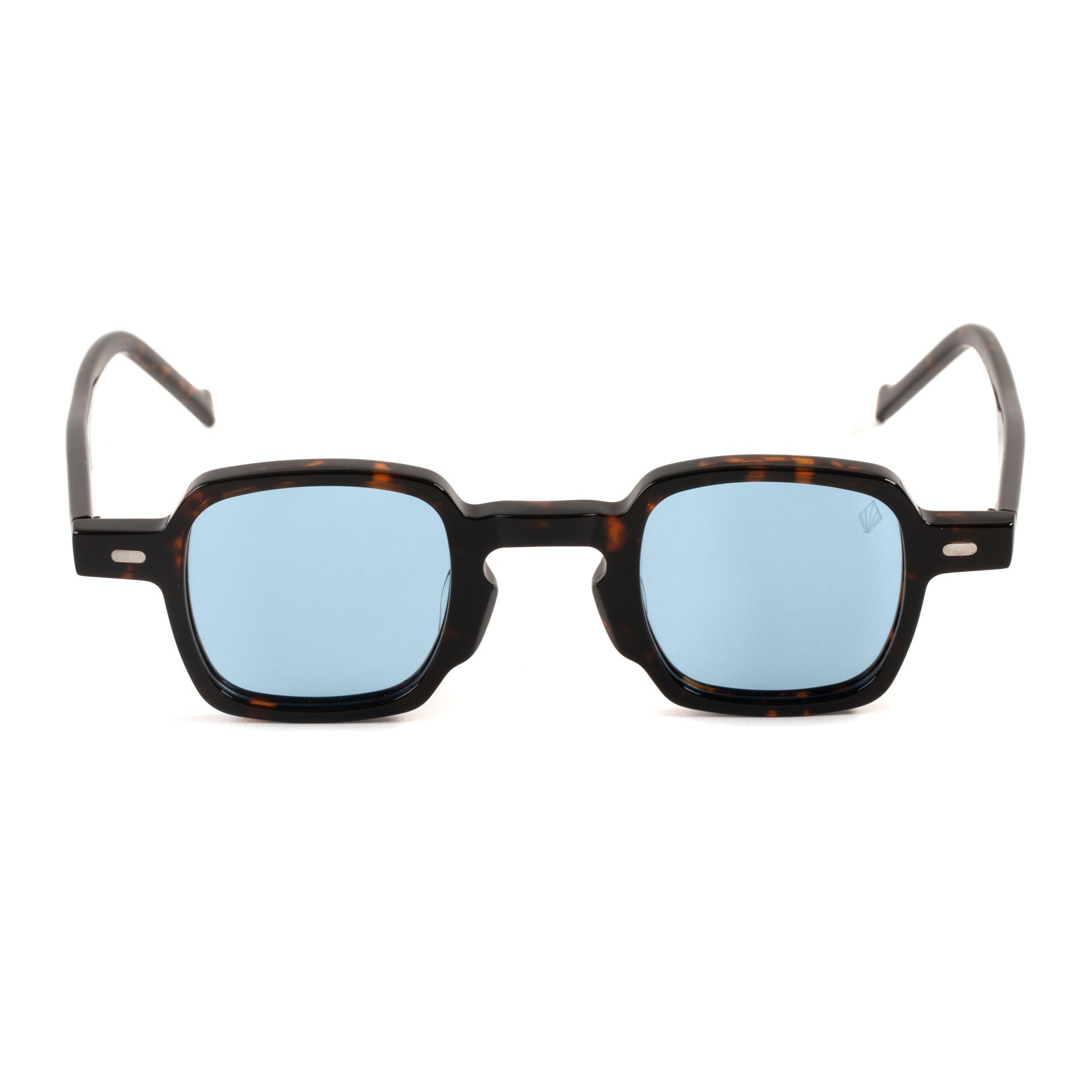
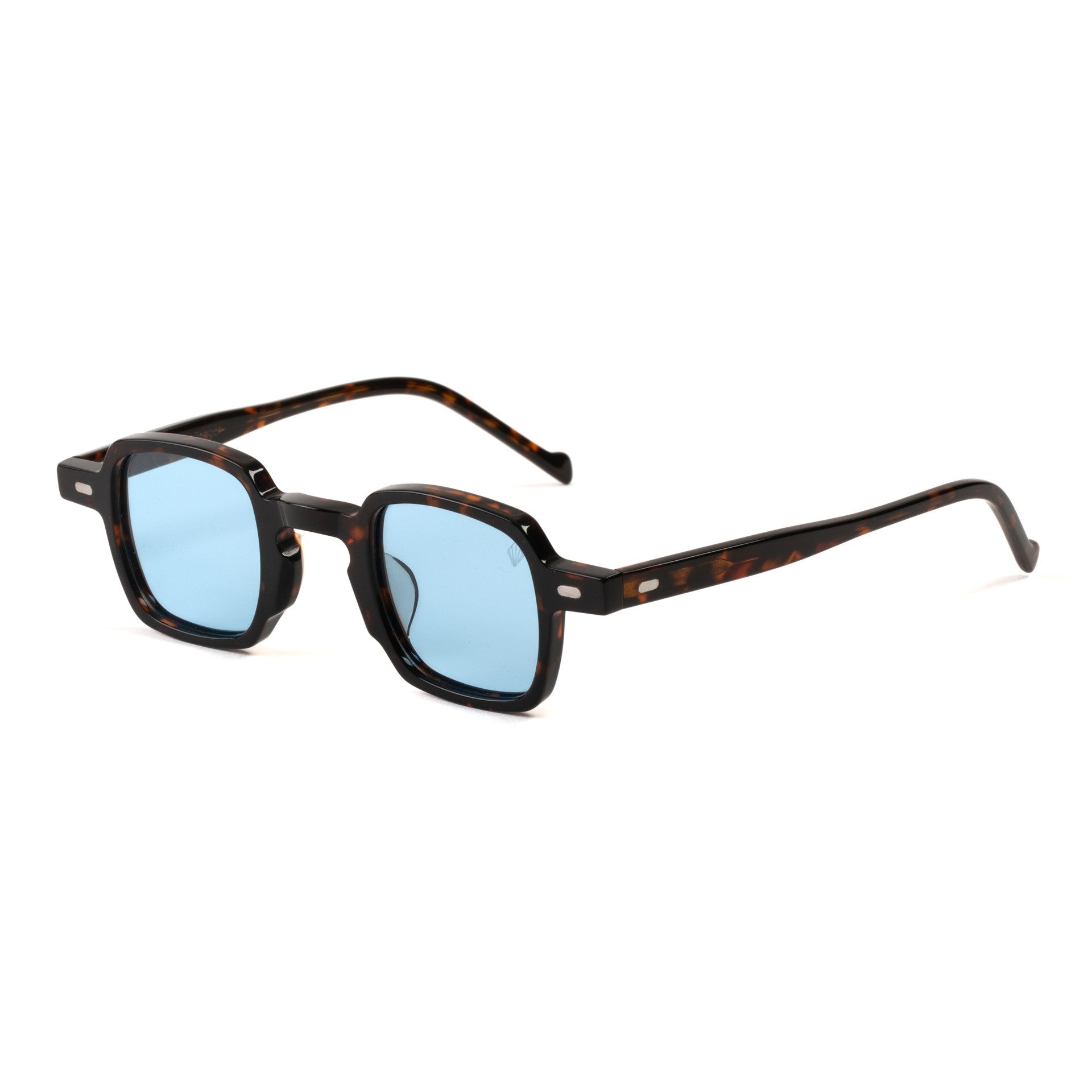
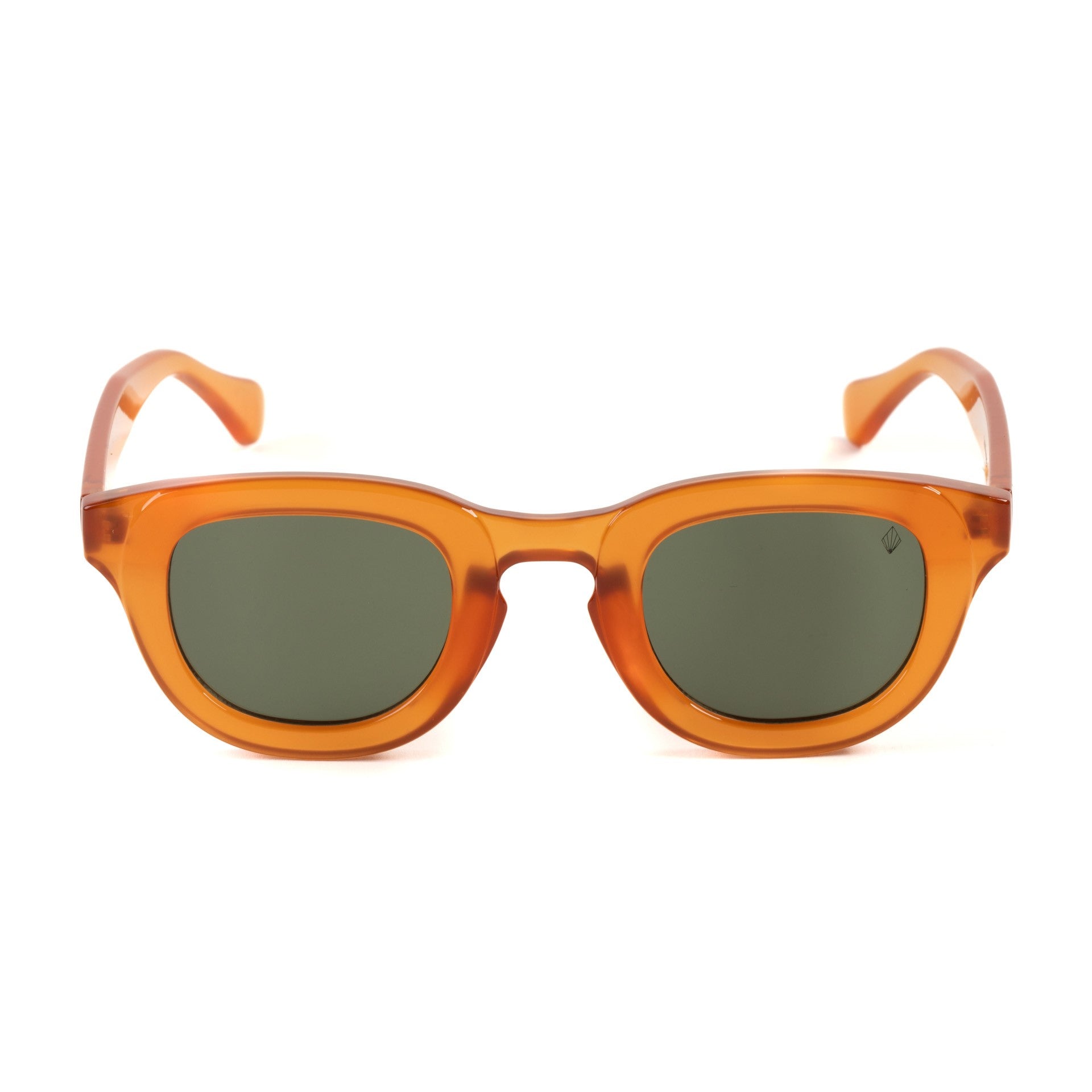
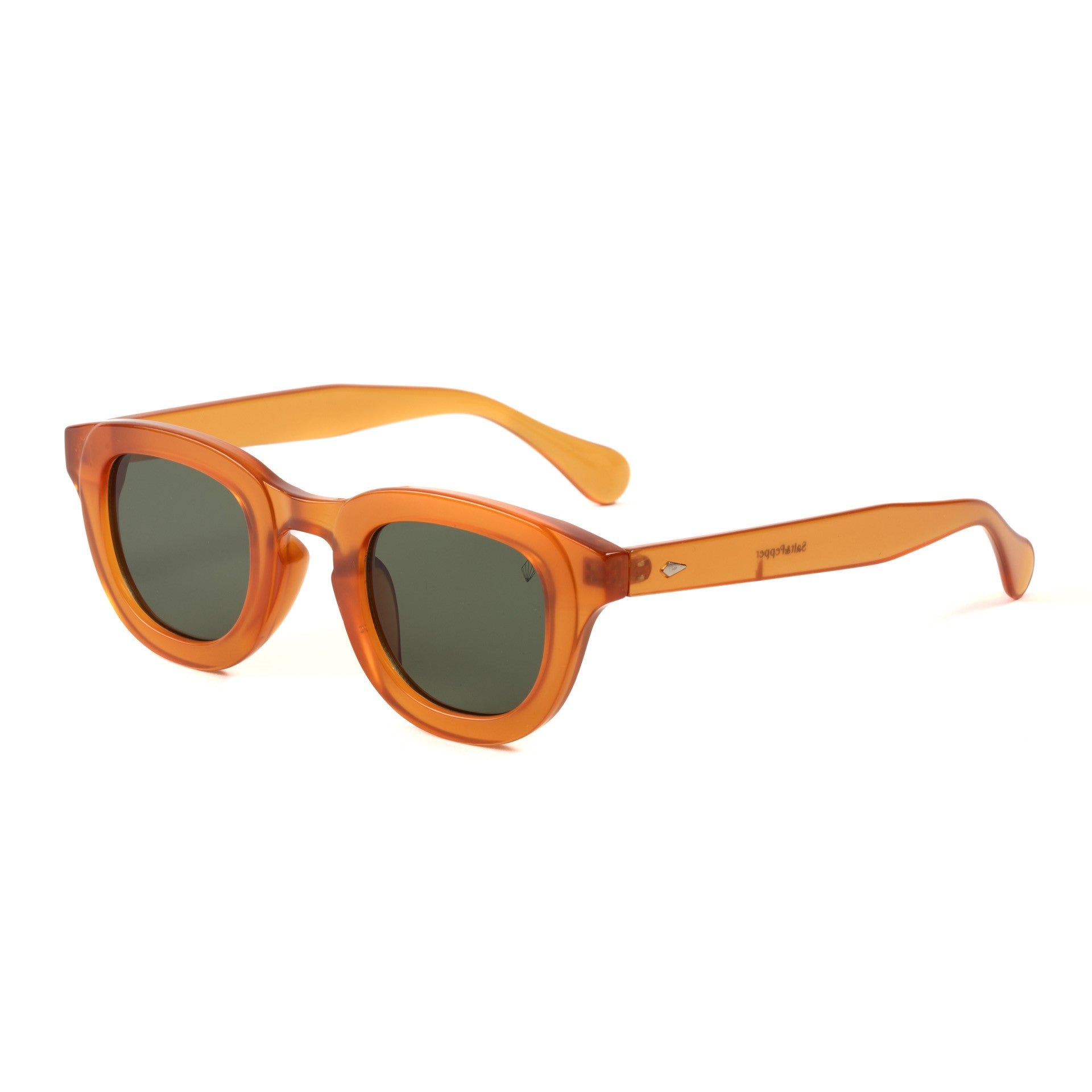
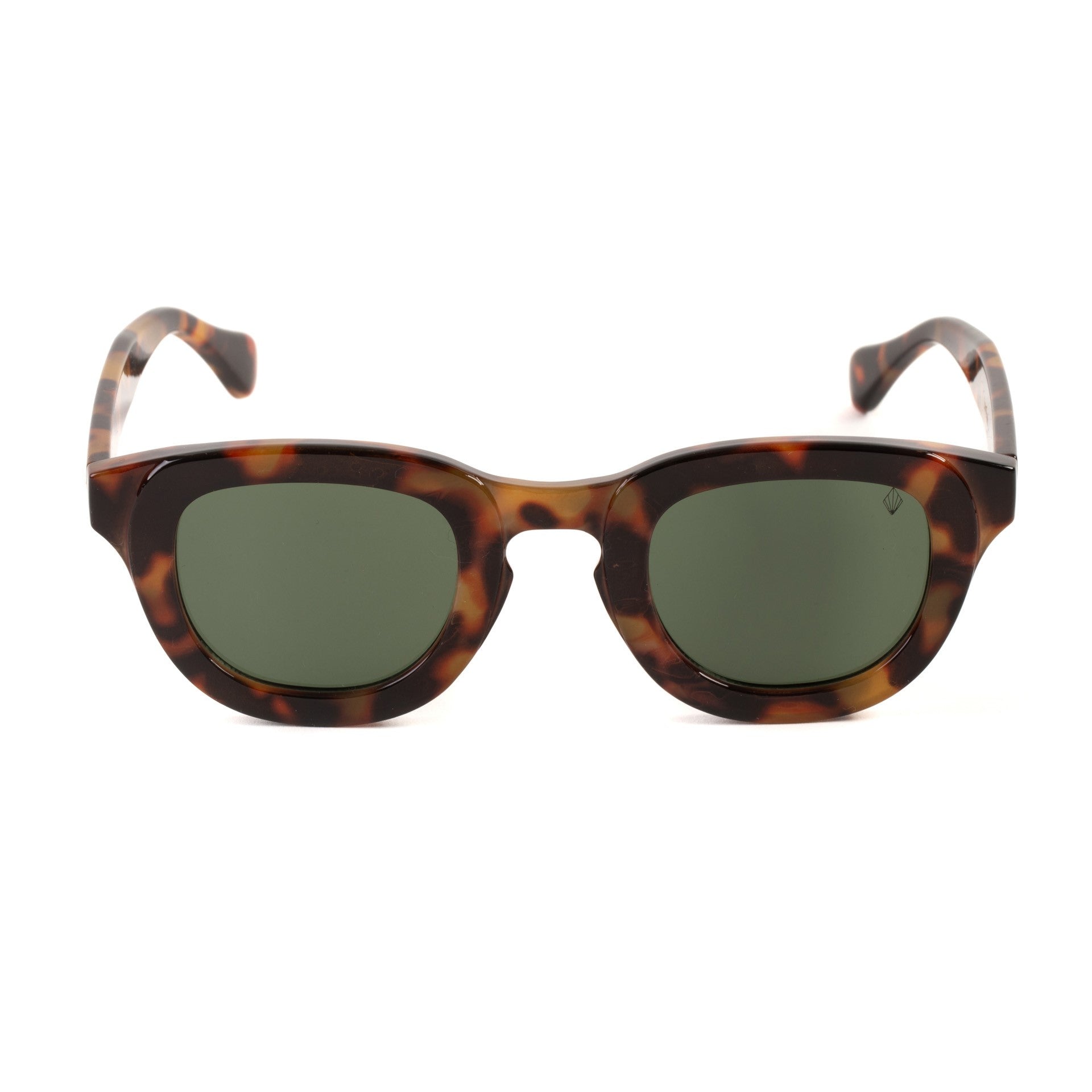
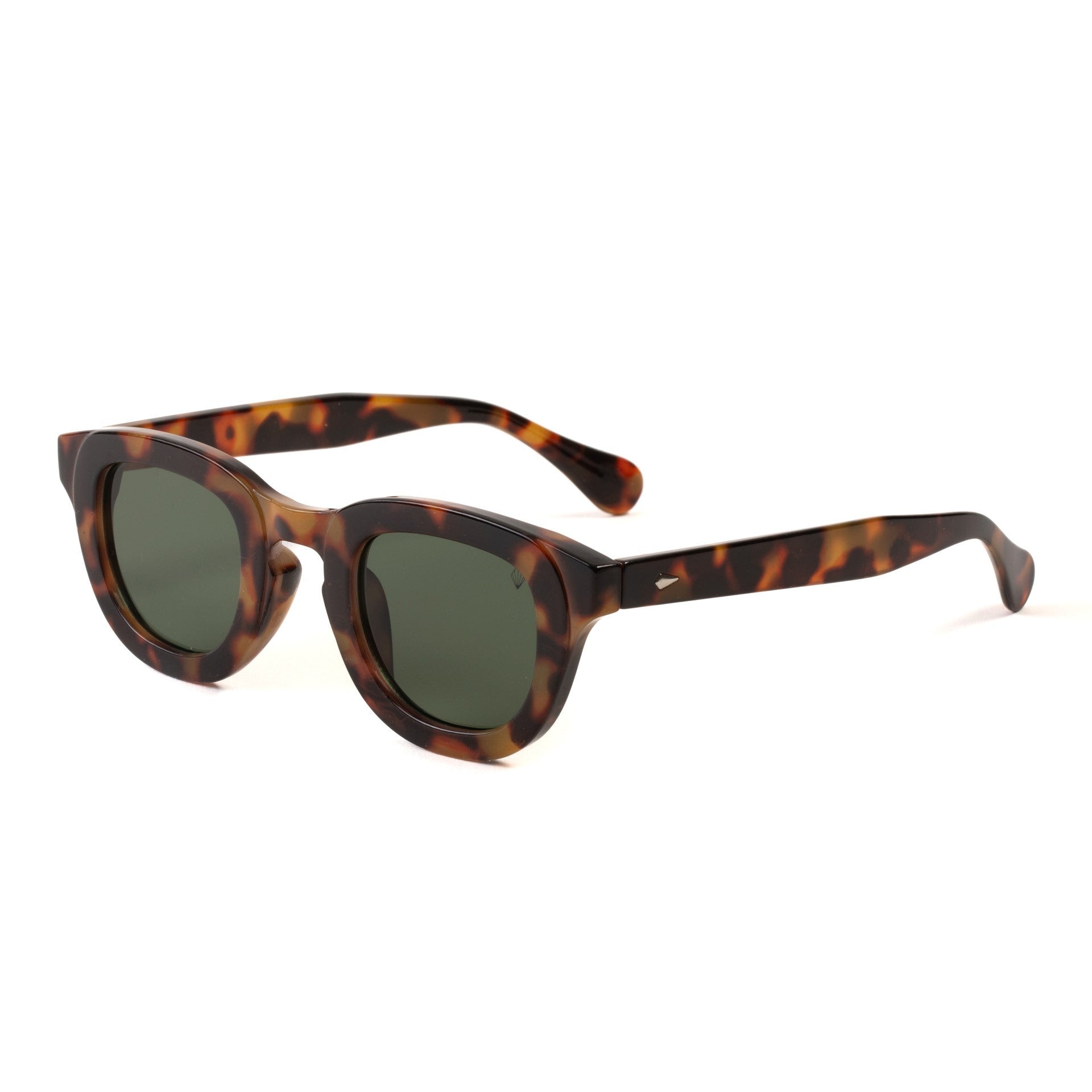
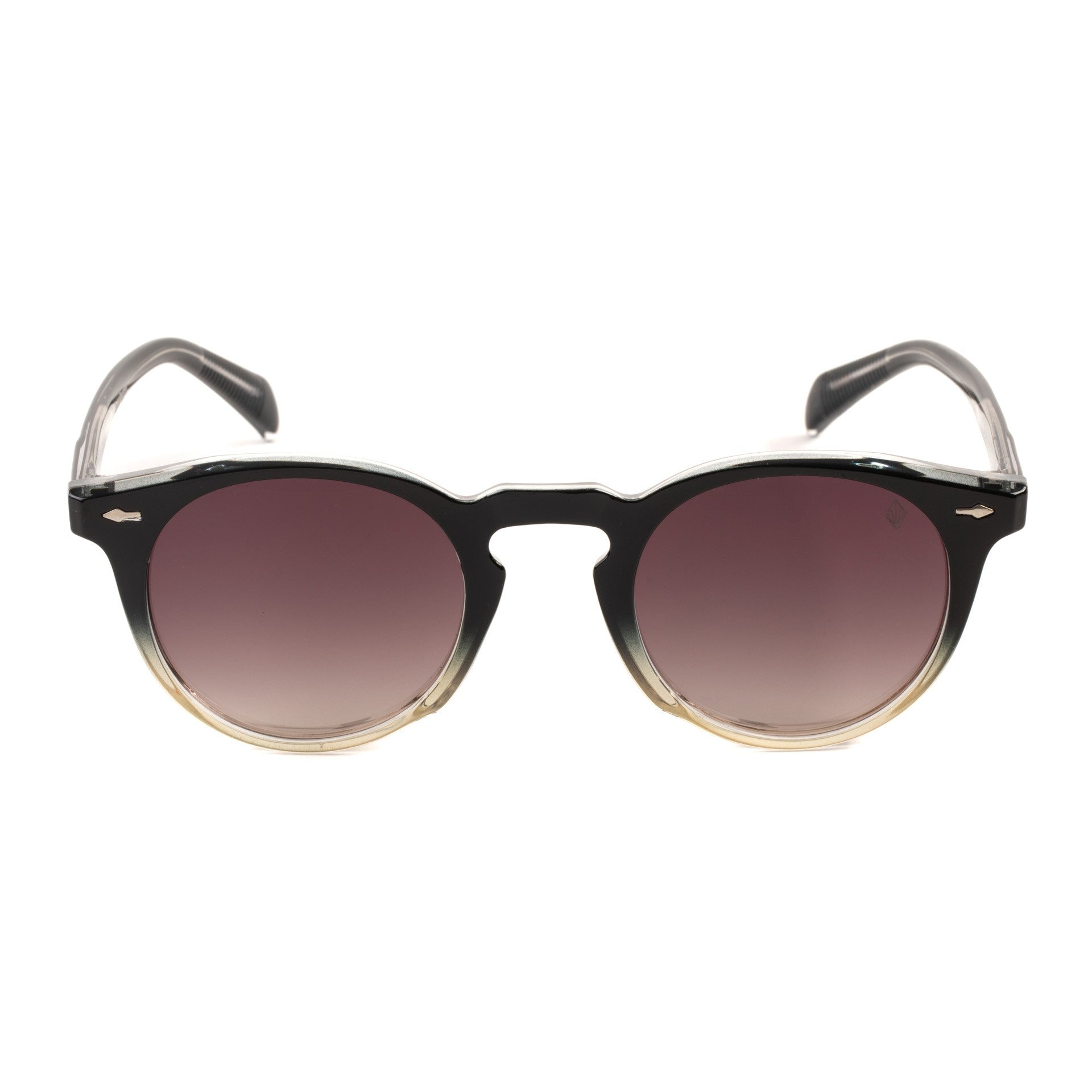
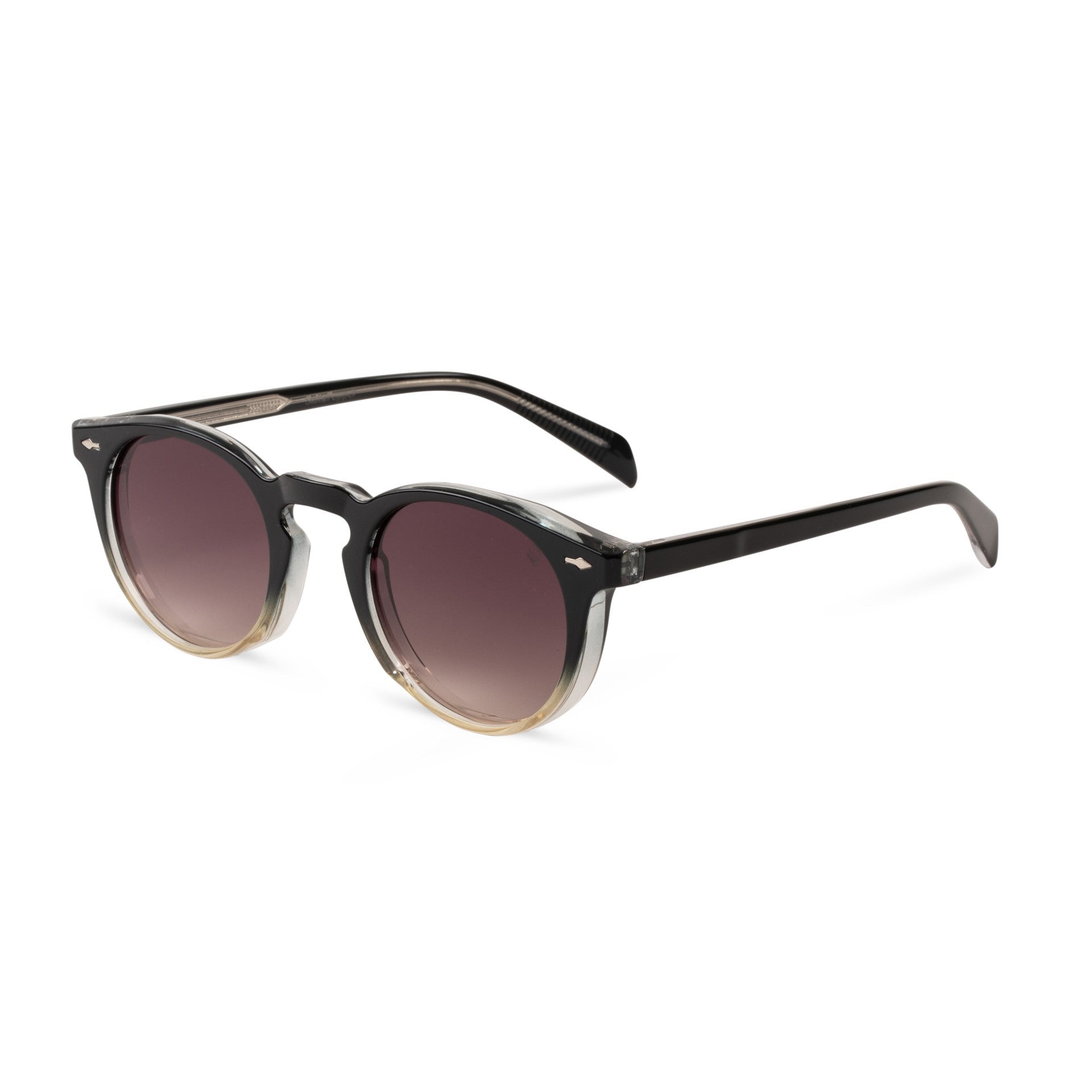
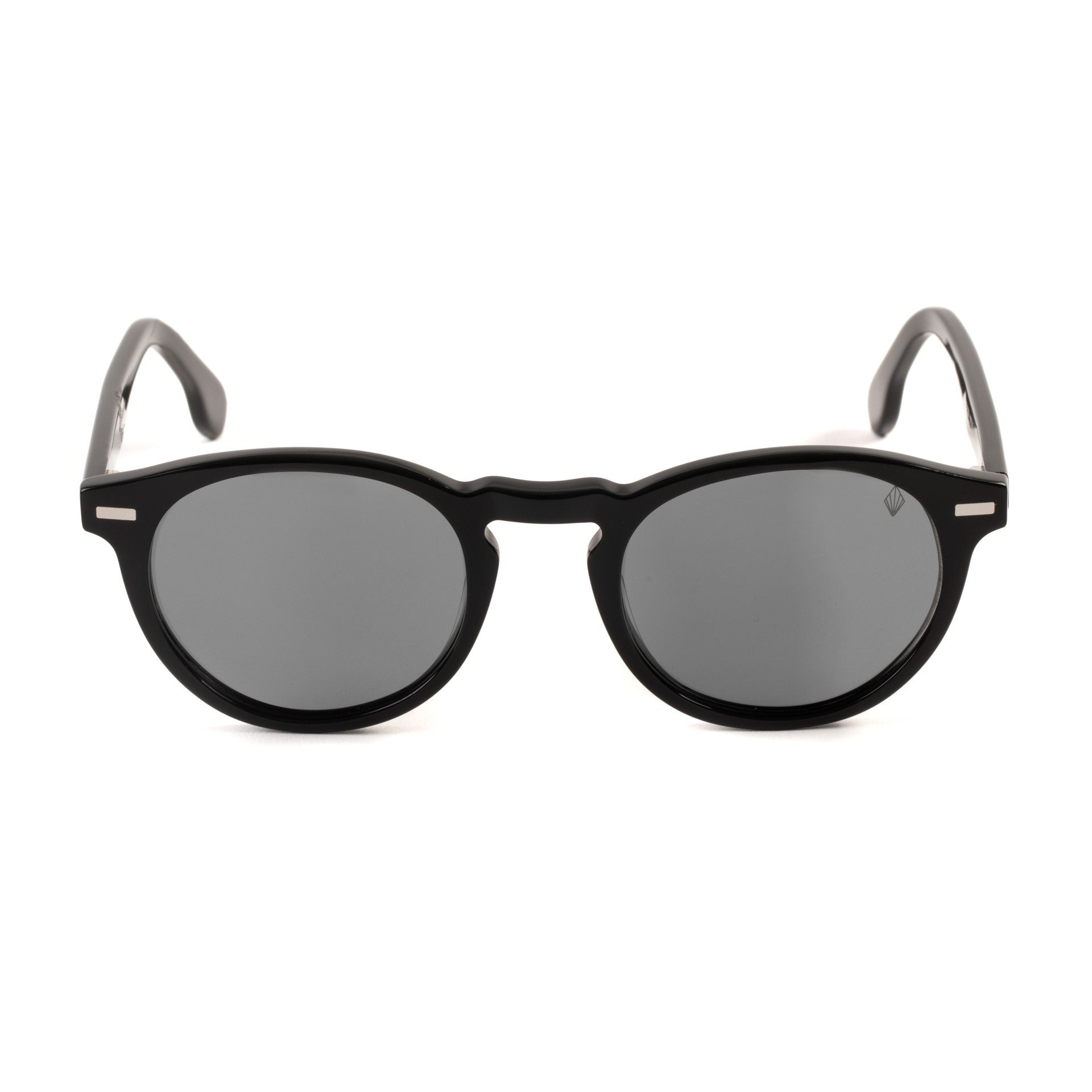
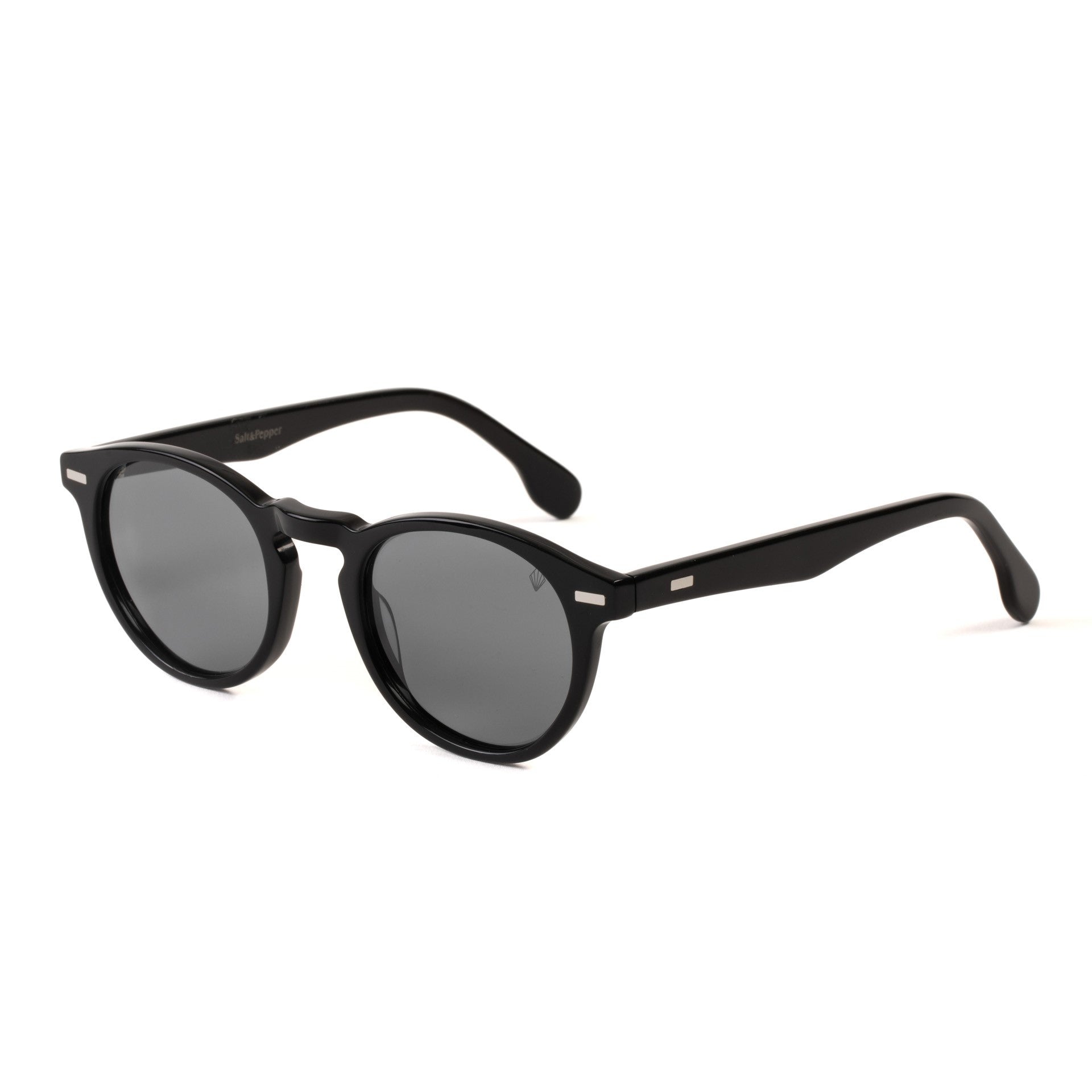
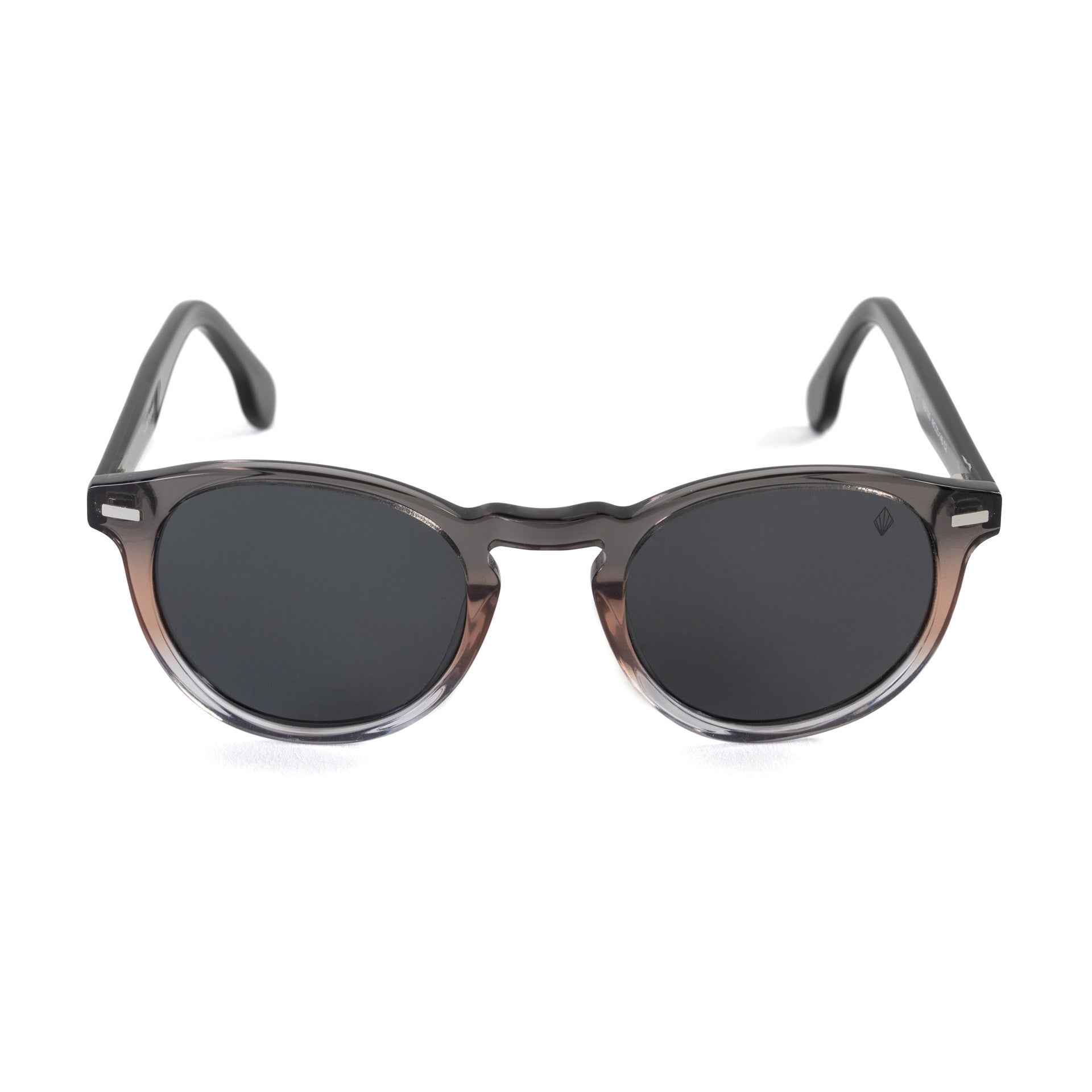
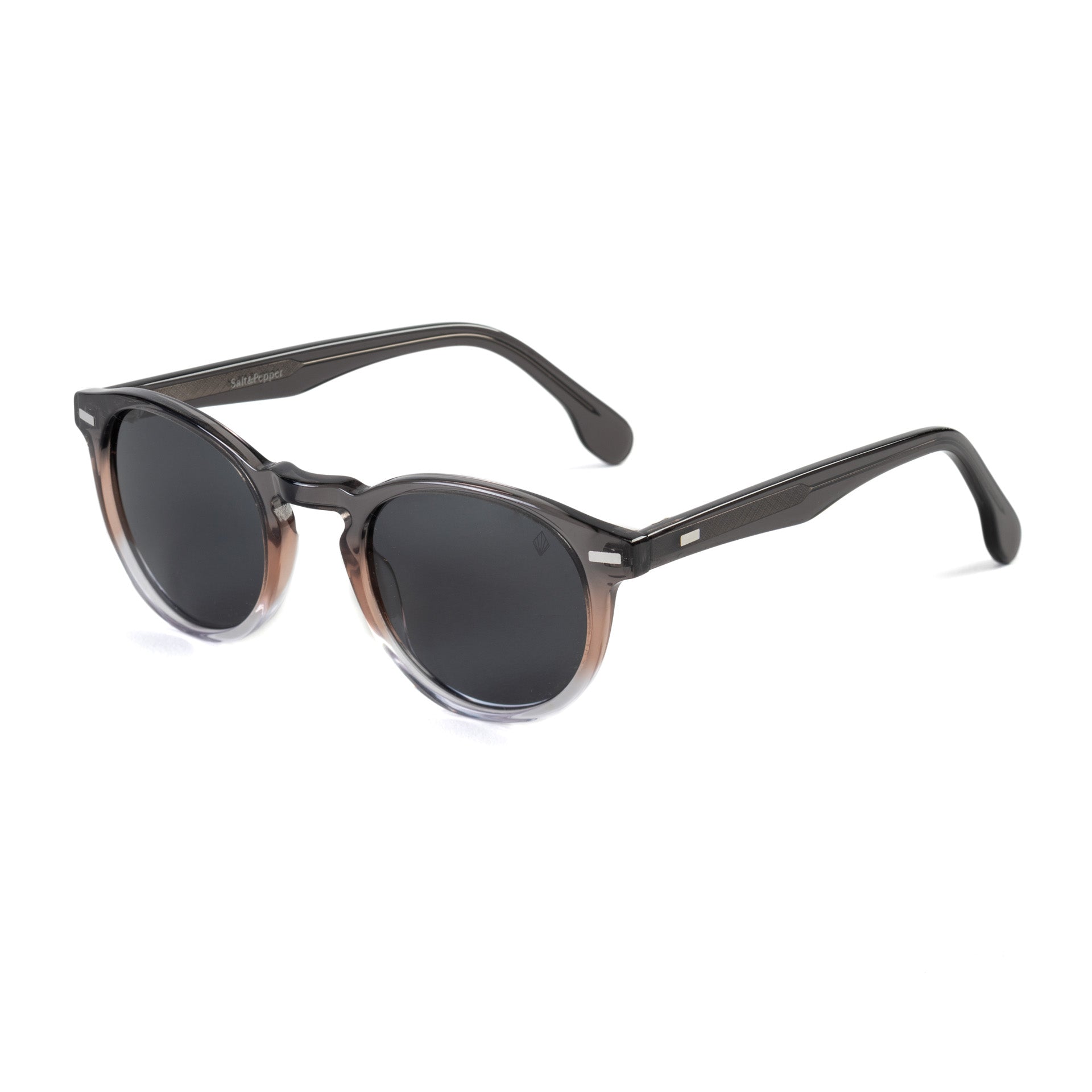
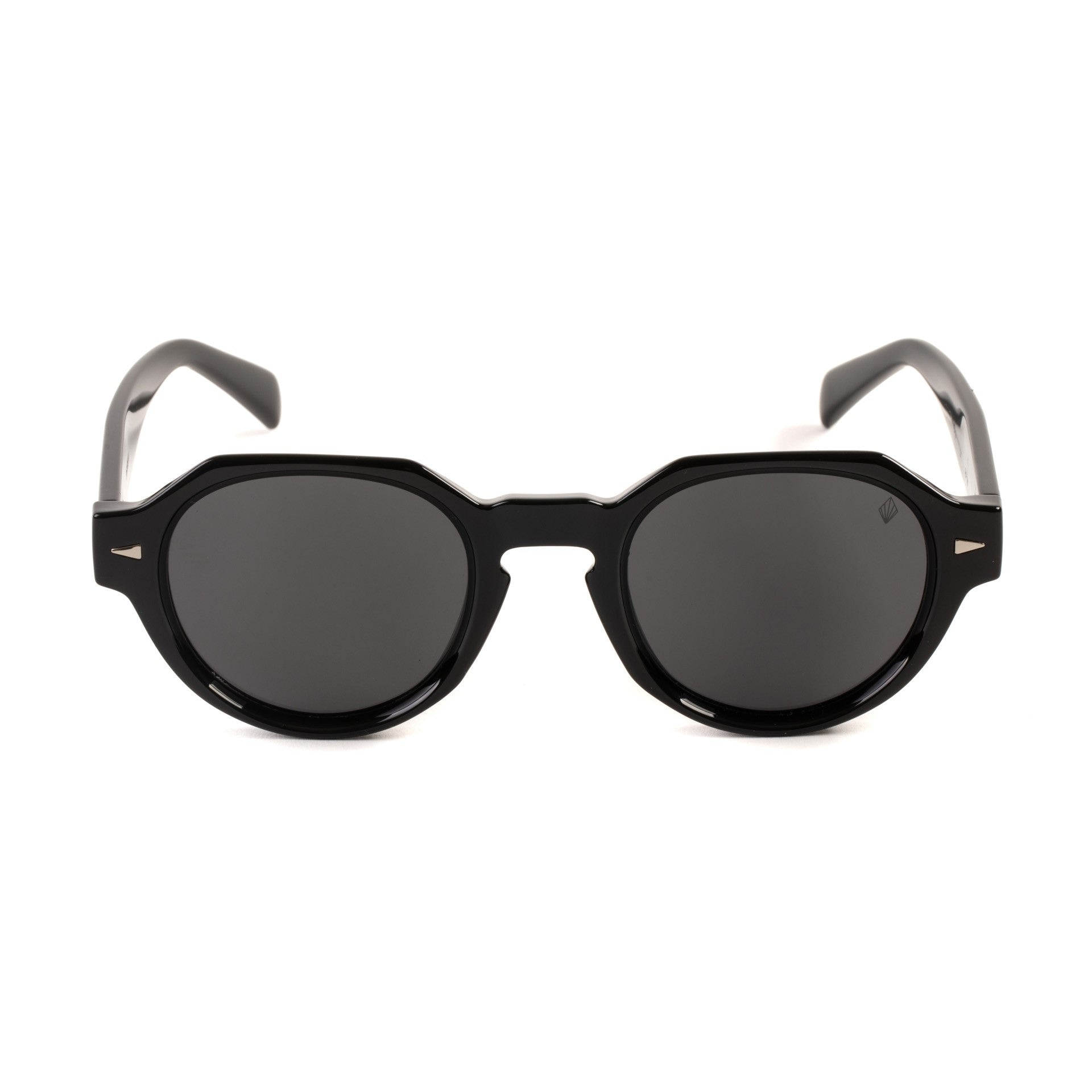
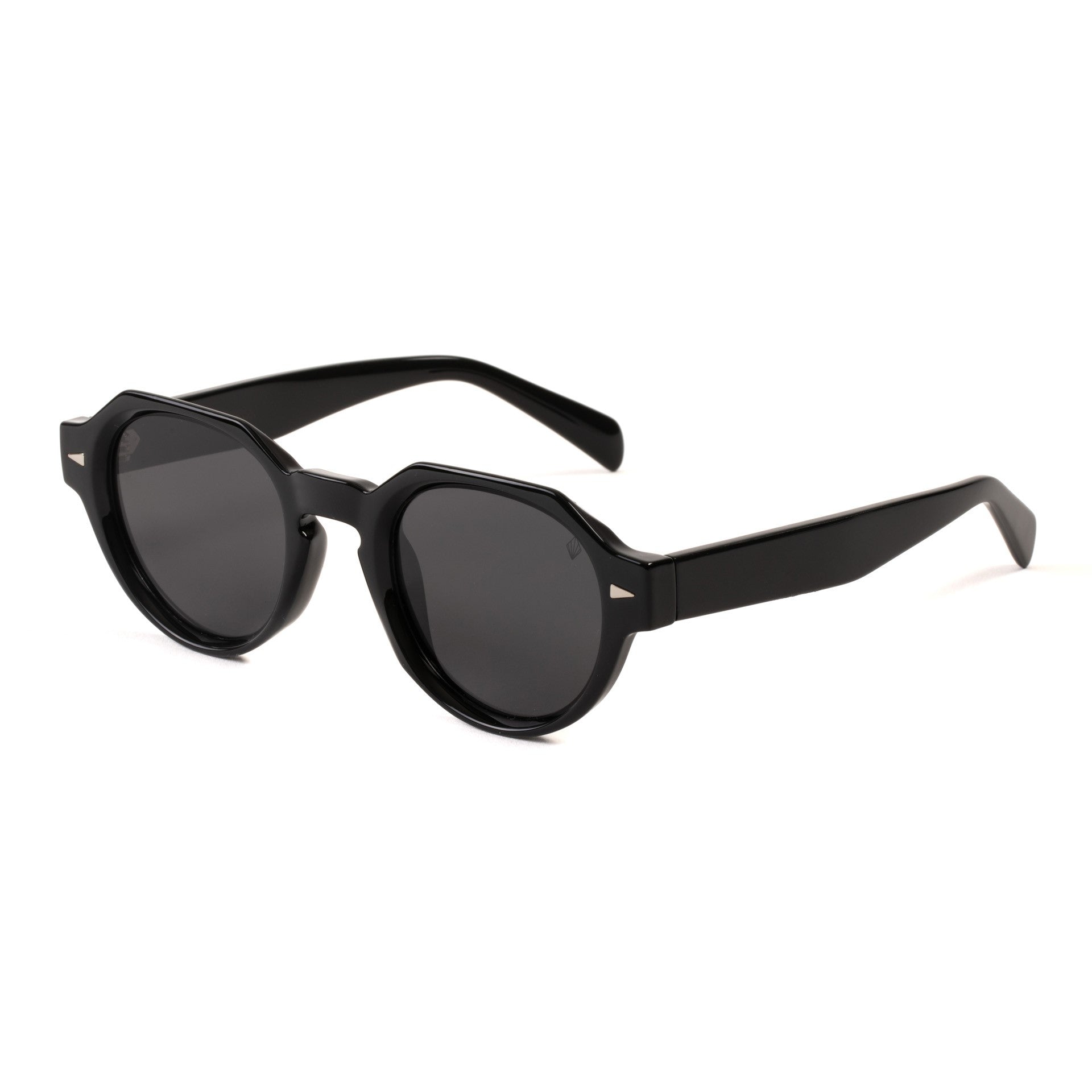
A comfortable fit can be just as important as lens tech. Look for frames that sit evenly on your nose and do not pinch behind the ears. If light leaks in from the sides, a slightly wider frame or modest wrap can help manage stray glare.
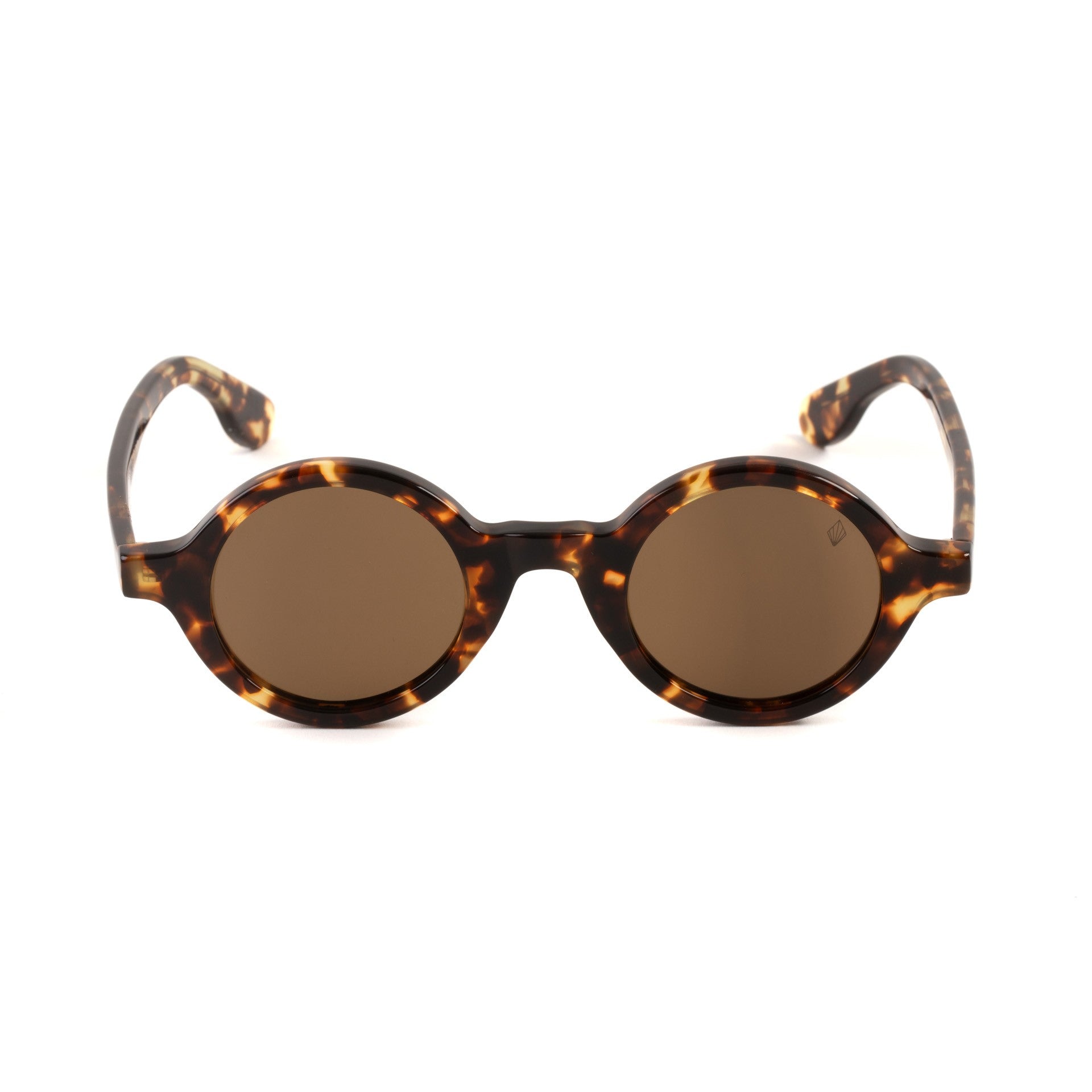
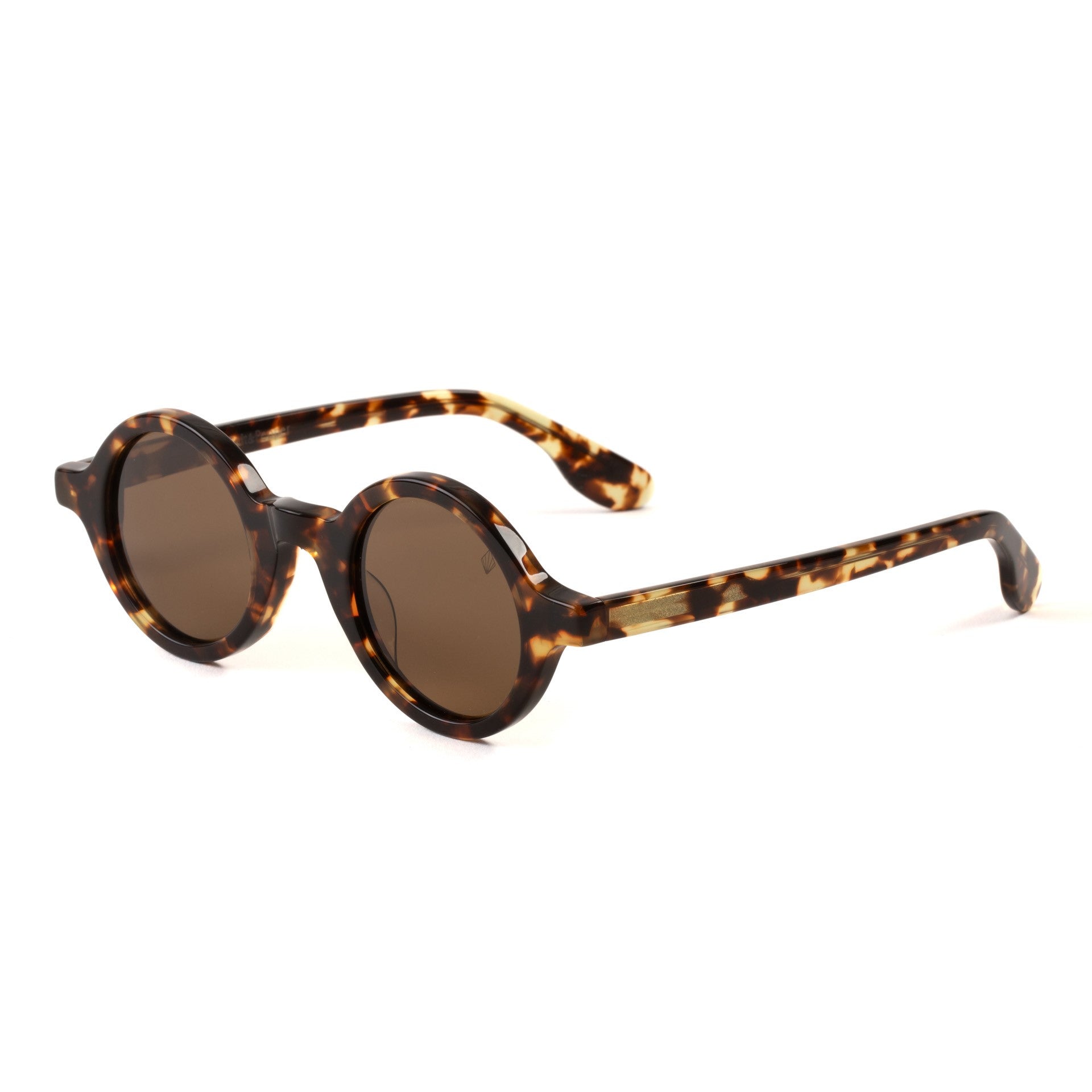
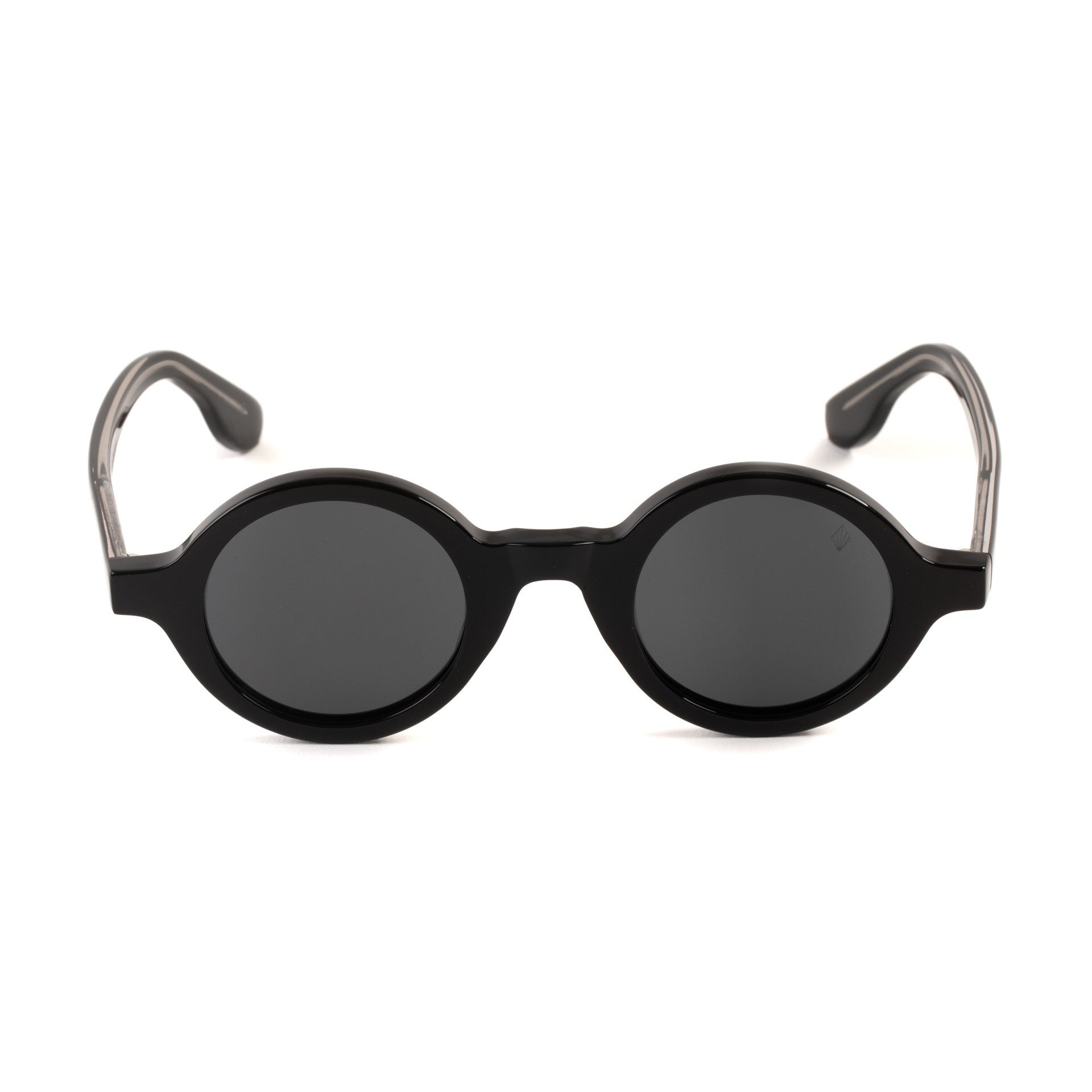
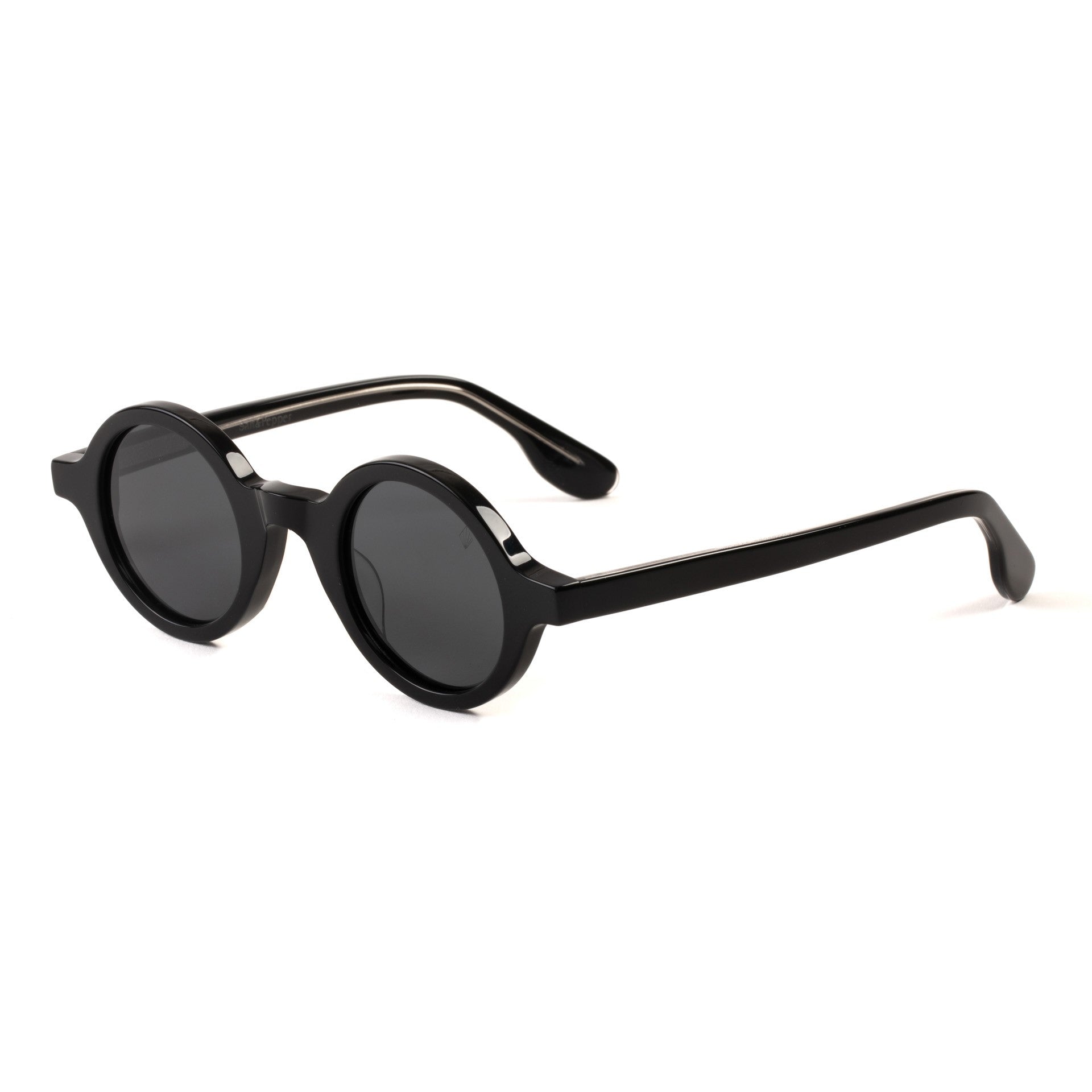
- Consider face shape. Round, square, oval, and heart-shaped faces often pair well with different silhouettes. Test a few shapes to see what feels balanced.
- Try lightweight materials for long wear. Acetate and modern polymers can provide a gentle feel.
- Adjustable nose pads may help with small fit tweaks.
If you prefer to explore styles by category, you might enjoy the curated Women’s Collection or browse options tailored for a secure, comfortable fit in the Men’s Collection.
Confirm UV Protection and Polarization
Polarization and UV protection serve different purposes. Polarization reduces glare. UV protection filters ultraviolet radiation. Many quality polarized sunglasses offer both, but it is helpful to look for clear labeling that states 100% UV protection (sometimes noted as UV400). This way, you benefit from anti-glare sunglasses that also provide comprehensive UV filtering.
Test Polarization in Real Life
A simple way to check polarization is to look at a reflective surface, then slowly rotate the sunglasses. If glare diminishes and then returns as you rotate the lenses, the filter is working. Another check is to place two polarized lenses together and rotate one; you should see the combined lenses darken at a certain angle.
For inspiration on shapes and finishes that people tend to love, you may wish to visit the Best Sellers for proven, popular looks in polarized eyewear.
Care and Maintenance Tips
With a little care, polarized sunglasses can remain clear and comfortable for a long time.
- Rinse lenses with clean water before wiping to avoid grinding dust into coatings.
- Use a gentle lens cleaner and a soft microfiber cloth.
- Store in a protective case when not in use to help prevent scratches.
- Avoid leaving sunglasses in very hot environments to protect lens coatings and frame shape.
These steps are simple, and they can help your sunglasses with polarized lenses look and perform their best day after day.
Wrap-Up: Making the Most of Polarized Sunglasses
Polarized sunglasses can offer a calm, clear view in bright conditions by reducing glare and helping you see detail with ease. For many, they are an everyday essential—especially for driving, time near water, and reflective urban environments. When selecting a pair, consider lens color, materials, coatings, and a comfortable fit. It may also be reassuring to verify that your chosen polarised sunglasses provide both polarization and 100% UV protection.
If you would like to explore diverse frames and lens tints in one place, you are welcome to browse a wide selection here: Shop All. If new colorways and silhouettes interest you, a gentle scroll through the latest arrivals can be helpful: New.
Q&A About Polarized Sunglasses
What are polarized sunglasses and how do they work?
Polarized sunglasses use a special filter that blocks horizontally reflected light—the type of glare commonly produced by roads, car hoods, water, and glass. By reducing this glare, your view often feels calmer, with improved contrast and color. The result can be clearer detail in bright conditions, especially for driving and outdoor activities.
Do polarized sunglasses block UV rays and glare?
Polarization reduces glare. UV protection guards against ultraviolet radiation. Many sunglasses combine both features, but they are not the same thing. To receive both benefits, look for polarized lenses that also clearly state 100% UV protection (often labeled UV400). This way, your anti-glare sunglasses also filter UV light.
What makes the best polarized sunglasses for driving?
Comfortable, secure frames and neutral tints such as gray or brown are commonly preferred. These lens colors preserve natural color balance while adding gentle contrast. A medium darkness is often suitable for daytime driving. For low-light or night driving, many people choose to avoid very dark lenses so that the view remains appropriately bright. Fit, lens quality, and clear labeling for both polarization and UV protection are also important.
Are polarised sunglasses comfortable for screens and displays?
Polarised sunglasses are generally safe for viewing screens. However, you may notice rainbow patterns or dimming on some LCD panels, such as dashboards, ATMs, or handheld devices. A slight change in viewing angle typically restores clarity. Comfort with screens can be personal, so a brief test is helpful if you plan to interact with displays often.
About the Author: Polarized Sunglasses Insights
Salt&Pepper Salt&Pepper
Salt&Pepper Salt&Pepper writes about eyewear fit, lens technologies, and style guidance with a focus on polarized sunglasses. The goal is to offer clear, kind advice that helps you choose what feels right for your day-to-day life. Thank you for reading, and please enjoy your next view in comfort.